
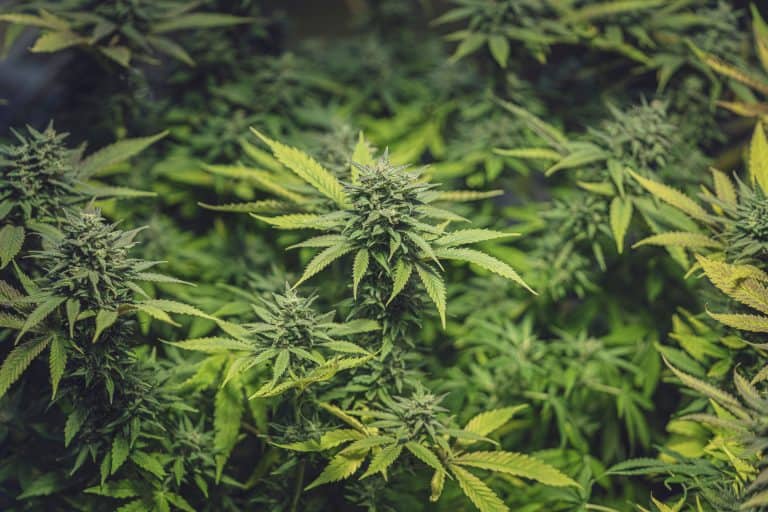

The Impact of Cannabis Use During Adolescence: A Special Report
Psychiatric Times | Vol 41, Issue 8
Introduction
Cannabis use among adolescents is a significant public health concern, with implications for brain development and mental health. In particular, the increase in cannabis vaping has become prevalent in this age group, raising alarms regarding its potential impacts. This article delves into the effects of cannabis use during adolescence, highlighting a case study to illustrate the problem’s real-world implications.
Valerie’s Case Study
Meet Valerie, a 17-year-old girl living in an urban environment. Balancing a job at a department store and babysitting to help her family with rent, Valerie’s life is marked by stress at home due to her parents’ abusive relationship. Introduced to synthetic cannabis vaping by a friend two years ago, she believed she was self-medicating her stress. With medical cannabis being considered less risky in her community, she commenced a habit she didn’t perceive as genuine cannabis use.
One day, a classmate handed her a vape pen, leading to an immediate confrontation with the school principal. Caught with another cannabis vape pen in her backpack, Valerie faced suspension and transfer to an alternative school. Isolated from peers due to her perception of them as troublemakers, she continued to use cannabis as an escape during her parents’ fights, which further exacerbated her mental health issues.
The Prevalence of Cannabis Use Among Youth
Valerie’s experience reflects a broader trend among teenagers. According to the Monitoring the Future survey of 2023, cannabis use rates among adolescents have reached concerning levels: 29% in 12th graders, 18% in 10th graders, and 8% in 8th graders. Vaping has emerged as a favored method, allowing adolescents to consume cannabis discreetly. This trend poses a significant risk, as most teenagers are unaware of the actual content in the cannabis products they are using.
Cognitive and Developmental Implications of Cannabis Use
The adolescent brain is still developing, with significant changes happening up to the age of 25. During this critical period, cannabis use can hinder cognitive development. The brain undergoes synaptic pruning, which impacts learning and efficiency. Research suggests that regular cannabis consumption might result in the loss of gray matter, particularly in the prefrontal cortex, which is crucial for decision-making and impulse control.
Effects on Mental Health
Adolescents face an increased risk of developing mental health disorders as a consequence of cannabis use. Evidence links cannabis use with the onset of psychosis, with individuals who have existing vulnerabilities experiencing exacerbated symptoms. A notable association exists between cannabis and schizophrenia, with THC potentially increasing psychotic symptoms through alterations in neurotransmitter activity.
The Role of Genetics
Genetic susceptibility also plays a role in how individuals respond to cannabis. Recent studies indicate a shared genetic basis for cannabis use and psychosis risk, suggesting that specific genetic markers may predispose certain individuals to adverse mental health outcomes associated with cannabis consumption.
Inconsistencies in Cannabis Product Safety
The safety of cannabis products is another alarming consideration. With a lack of stringent regulations by the US Food and Drug Administration (FDA), the potency and composition of cannabis products vary widely. Many products may be inaccurately labeled regarding THC concentrations, leading to unexpected and potentially dangerous effects on users.
The Dangers of Synthetic Cannabinoids
The rise of synthetic cannabinoids like Spice or K2 presents additional risks. These artificial compounds mimic THC’s effects but are often much more potent, leading to severe health consequences and intoxications. Their unpredictable nature makes them particularly hazardous, especially for adolescents.
A Shift in Public Perception
Despite the known risks, public perception often underemphasizes the potential harms of cannabis, focusing instead on its medicinal benefits. While certain medical cannabis products have shown therapeutic efficacy for conditions like chronic pain and epilepsy, they can also cause adverse effects and may not be safe for all patients.
Legislative Changes and Future Implications
Recent discussions in governmental circles, including the US Department of Justice’s proposal on cannabis scheduling revisions, reflect a changing landscape in the perception and legality of cannabis. However, such changes raise questions about regulatory oversight and public health implications.
Conclusion
Valerie’s story underscores the critical issues surrounding adolescent cannabis use and its far-reaching consequences. As cannabis use becomes increasingly common amongst teenagers, understanding the cognitive, behavioral, and health implications is essential for parents, educators, and policymakers. Continued research is vital to navigate this complex issue and to develop strategies for mitigating risk among vulnerable populations.
FAQs
1. What are the effects of cannabis on adolescent brain development?
Cannabis use can negatively impact development areas such as decision-making, impulse control, learning, and memory, due to its effects on the prefrontal cortex and other brain regions.
2. Are synthetic cannabinoids safe for adolescents?
Synthetic cannabinoids are often more potent and unpredictable compared to natural cannabis, leading to severe health risks and intoxications. They are not considered safe, particularly for adolescents.
3. How common is cannabis use among high school students?
According to the Monitoring the Future survey of 2023, approximately 29% of 12th graders reported using marijuana in the past year, indicating a high prevalence of use.
4. What are the risks of cannabis use in relation to mental health?
Regular cannabis use in adolescents can increase the risk of developing mental health issues, including psychosis and substance use disorders, particularly for individuals with pre-existing vulnerabilities.
The Changing Landscape of Cannabis: Health Implications and Policy Dynamics
The debate surrounding cannabis, particularly its classification, usage, and legal status, has evolved significantly over the past few decades. With disparities between state and federal laws in the United States, cannabis remains a highly controversial subject. This article delves into the implications of cannabis usage, particularly among adolescents, the potential medical benefits, and the shifting perception of cannabis as a therapeutic agent.
Understanding Cannabis Classification
The Controlled Substances Act (CSA) classifies drugs into different schedules based on their accepted medical use and potential for abuse or dependence. Currently, marijuana is classified as a Schedule I substance, alongside drugs deemed to have no accepted medical use and a high potential for abuse. This scheduling effectively limits its availability for research into potential medicinal benefits.
Rescheduling cannabis to Schedule III would signify its acceptance as a substance with medical uses and a low to moderate potential for dependence. While this change would not legalize cannabis for recreational use, it would usher in new opportunities for research and increase awareness regarding the potential therapeutic benefits of cannabis-derived products. In the U.S., there are at least 38 states where cannabis is approved for medical use, contributing to a complex legal landscape across the nation.
Case Study: Valerie’s Journey with Cannabis
To illustrate the personal impact of cannabis, consider the story of a young girl named Valerie. Over the course of her troubled youth, Valerie began to exhibit alarming symptoms indicative of severe mental health issues, including prodromal schizophrenia and depression, possibly linked to her cannabis use. Following a series of educational disruptions caused by behavioral issues and absenteeism, it became evident that Valerie’s plight was more than just a case of teenage rebellion.
Through linkage to child psychiatry and specialized addiction-focused care, Valerie’s prognosis improved significantly. This case exemplifies the critical need for proper mental health intervention when youth engage with cannabis—a responsibility that falls on healthcare providers and educators alike.
Shifting Perceptions and Public Health Implications
Over time, public perception of cannabis has substantially shifted. Research indicates that the perceived risk associated with cannabis has decreased across all adult age groups from 2002 to 2019. Interestingly, legislative changes regarding medical marijuana have been correlated with an increase in both illicit cannabis use and cannabis use disorder occurrences, particularly in states that have enacted such laws.
This dynamic is particularly concerning when considering the developmental vulnerabilities of adolescents. Studies highlight that early exposure to cannabis correlates with a heightened risk of severe mental health issues, including schizophrenia, which often manifests in early adulthood. Despite the burgeoning acceptance of cannabis, the reality remains that many adolescents are unaware of the potential harms associated with its usage.
The Accessibility Challenge in Mental Health Services
Access to mental health services remains a pressing issue, particularly for adolescents suffering from cannabis use disorders and other mental health conditions. The American Academy of Child and Adolescent Psychiatry reports that only half of children and adolescents with diagnosable mental health needs receive adequate care. This statistic underscores a significant systemic gap in mental health resources, making timely intervention all the more crucial.
As cannabis continues to gain acceptance both medically and socially, it is imperative for psychiatrists and primary care providers to stay vigilant. Early screening for cannabis use and associated disorders—and understanding the evolving legislative landscape—could drastically improve outcomes for young patients like Valerie.
Concluding Thoughts
The path forward regarding cannabis in the U.S. is fraught with challenges and opportunities. While the potential medical benefits of cannabis continue to fuel its advocacy, public health ramifications, particularly surrounding youth usage, cannot be overlooked. By fostering greater awareness and ensuring accessible mental health supports, we can mitigate the risks while exploring the therapeutic potential of cannabis. As professionals in the field are urged to remain informed about cannabis legislation, the implications for patient care are profound.
Collaborators on the Frontline
Dr. Shenoi serves as an assistant professor of psychiatry at Baylor College of Medicine in Houston, Texas, having recently completed an addiction psychiatry fellowship.
Dr. Vijayvargiya is an assistant professor of psychiatry at the University of Florida, Gainesville, where she leads the consultation-liaison psychiatry service at UF Health Shands Hospital.
References
- Miech RA, et al. Monitoring the Future: National Survey Results on Drug Use: 1975-2023: Secondary School Students. University of Michigan Institute for Social Research; 2023.
- Dhein S. Different effects of cannabis abuse on adolescent and adult brain. Pharmacology, 2020.
- Volkow ND, et al. Effects of cannabis use on human behavior, including cognition, motivation, and psychosis: a review. JAMA Psychiatry, 2016.
- Gage SH, et al. Association between cannabis and psychosis: epidemiologic evidence. Biol Psychiatry, 2016.
Frequently Asked Questions
1. What does rescheduling cannabis to Schedule III mean?
Rescheduling cannabis to Schedule III would allow for its potential medical use to be recognized, subjecting it to the Federal Food, Drug, and Cosmetic Act regulations without legalizing it for recreational use.
2. How does cannabis use affect adolescents?
Cannabis use among adolescents is correlated with increased risks of developing mental health disorders, including schizophrenia, particularly as their brains are still developing.
3. Why is access to mental health services critical for youth using cannabis?
Timely access to mental health services is essential for addressing cannabis use disorders. Many adolescents do not receive the care they need, leading to exacerbation of mental health conditions.
4. How can healthcare professionals help in addressing cannabis use among adolescents?
Healthcare professionals can help by screening for cannabis use, staying informed about relevant legislation, and connecting young patients to appropriate mental health resources.


0 Comments