
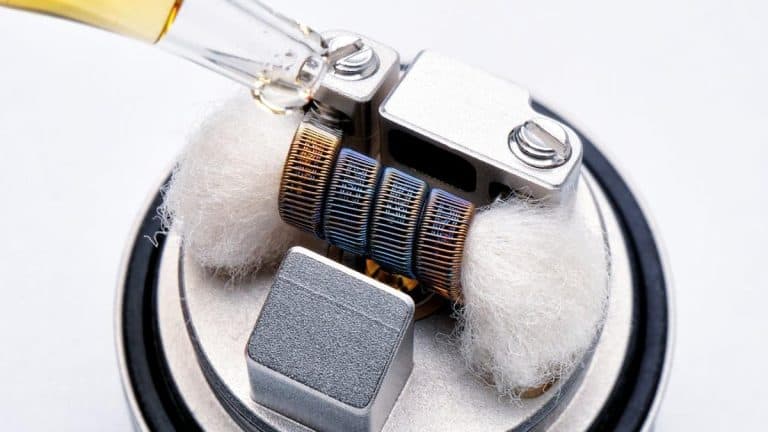

Vaping has become a widely debated topic both for its use as an alternative to traditional smoking and for the environmental and health concerns it raises. With the introduction of a pioneering bill in Australia prohibiting the sale of vapes in general retail, the conversation around the safety and sustainability of e-cigarettes has intensified.
In this article, we’ll explore how vapes work, what goes into their production, and the environmental ramifications of the growing e-waste problem posed by disposable vapes.
Inside the World of Vapes: Operation and Components
Vapes, also known as e-cigarettes, come in different formats, primarily distinguishable as reusable and disposable types. The disposable versions are particularly popular among young consumers, despite their short-lived design.
Reusable vapes offer replaceable cartridges or e-liquid refills and may include advanced features like customizable settings, LEDs, and digital displays. Conversely, the disposable variant typically includes basic, yet integral components:
- Battery: Powers the device, providing energy for the heating element.
gPressure Sensor: Activates the heating mechanism when a user takes a drag. - LED Indicator: Signals when the device is in use.
- Heating Element: Vaporizes the e-liquid upon activation.
- E-Liquid Reservoir: Holds the ‘juice’ containing a mixture of ingredients including propylene glycol, nicotine, and flavorings.
The process is straightforward: inhaling from the vape deploys the pressure sensor, triggering the battery to heat the e-liquid into a vapor form.
Dissecting Single-Use Vapes: A Teardown Analysis
To understand the intricate makeup of single-use vapes, we performed teardowns on several depleted units and observed their internal frameworks. These devices, not designed for disassembly or recycling, primarily consist of aluminium housings, lithium batteries, semiconductor-based pressure sensors, and confined e-liquid reservoirs enveloped in plastic.
Furthermore, we found that these batteries, albeit spent, still harbored residual energy, underscoring the potential wastefulness and hazards associated with improper disposal.
Environmental Implications of Vaping Products
The escalating consumption of single-use vapes has led to a significant and disconcerting increase in e-waste. Discarded in landfills or as litter, they not only squander valuable materials like aluminium and lithium but pose fire risks and ecological threats.
Recycling vapes is an uphill task due to the fusion of valuable metals with other substances in their construction, leading to a cycle of waste and environmental harm.
Frequently Asked Questions (FAQ)
What are the environmental impacts of disposable vapes?
Disposable vapes contribute to the e-waste problem, waste precious metals such as aluminium and lithium, and can release toxic elements into the environment upon degradation.
Why are disposable vapes considered hazardous waste?
They contain lithium batteries and other potentially toxic substances that can pose fire risks and contribute to pollution when not disposed of correctly.
Can vaping devices be recycled?
Recycling vaping devices is complex due to the mix of valuable metals and other integrally combined materials, rendering the process inefficient and often nonviable.
How can I properly dispose of a vape?
Consult local e-waste recycling guidelines or specialized battery recycling services to dispose of vapes responsibly and safely.
This article integrates insights from The Conversation, shared under a Creative Commons license. Original content can be found here.


0 Comments