
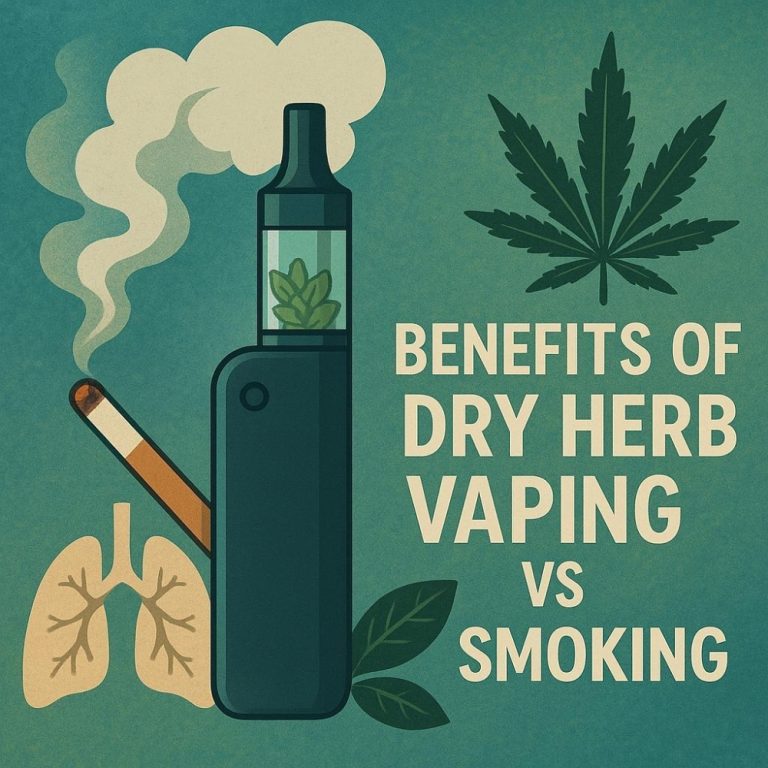

Dry herb vaping and smoking use the same material, but they heat it differently. Smoking burns the herb; a vaporizer heats it to release an inhalable aerosol without intentionally setting it alight. That difference can affect the flavor and what you breathe in,but vaping isn’t risk-free. Here’s how dry herb vaping compares with smoking, along with a few practical trade-offs.
Table of Contents
- Less Combustion,More Flavor: What Dry Herb Vaping Changes
- A Cooler Draw,With Fewer Smoke-Related Irritants
- The Trade-Offs: Convenience,Cost,and Careful Cleaning
Less Combustion,more Flavor: What Dry Herb Vaping Changes
The main difference between vaping and smoking is combustion. A dry herb vaporizer heats plant material to create an inhalable aerosol, while smoking burns it and produces smoke. Vaping may reduce exposure to some substances created by burning, but the aerosol isn’t just harmless water vapor.
Some people find that a vaporizer brings out more of the herb’s aroma and flavor. The result depends on the material, the deviceand its temperature.A high setting can make the draw harsherand the herb may scorch if it gets too hot.
Smoke contains combustion byproducts, including carbon monoxide and fine particles. Avoiding a flame changes what’s produced, but it doesn’t make inhaling the aerosol risk-free.
A Cooler Draw, With Fewer Smoke-related Irritants
Without combustion, a dry herb vaporizer doesn’t produce the same mix of smoke byproducts. That may mean less exposure to some combustion-related irritants than smoking the same material, though it doesn’t remove all potential respiratory risks.
Vapor may feel smoother on the throat for some people, but that varies. the device, herb, and temperature all matterand a hot draw can still be irritating. “Cooler” is relative; it doesn’t mean every vaporizer produces cool air.
The aerosol can contain substances from the plant, as well as compounds from contaminated material or the device. The key difference in dry herb vaping vs smoking is how the material is heated-not whether inhaling it is harmless.
The Trade-Offs: Convenience, Costand Careful Cleaning
A dry herb vaporizer typically costs more upfront than basic smoking supplies. Depending on the model, you may also need to replace parts such as screens or sealsor eventually replace the battery. Check the manufacturer’s guidance when comparing devices.
Using one takes a little preparation: you may need to grind and load the herb, charge the deviceor wait for it to heat up.Smoking can be quicker to get started, while a vaporizer means keeping track of another device.
Cleaning is part of the routine. Residue can build up in the chamber and mouthpiece,affecting airflow and flavor. Follow the device’s instructions and keep cleaning liquids away from its electronics.
Vapor may leave less of the lingering smell associated with smoke, but it isn’t odor-free.The scent can still be noticeableand how long it lasts depends on the herb, deviceand ventilation.
In short, vaping avoids direct combustion but comes with a higher upfront cost and some upkeep. It also doesn’t guarantee a risk-free or odor-free experience. If you choose to use a vaporizer, use one designed for dry herbs and follow the manufacturer’s safety and cleaning instructions.


