

Revolutionary Findings: Varenicline Offers Hope for Young Vapers

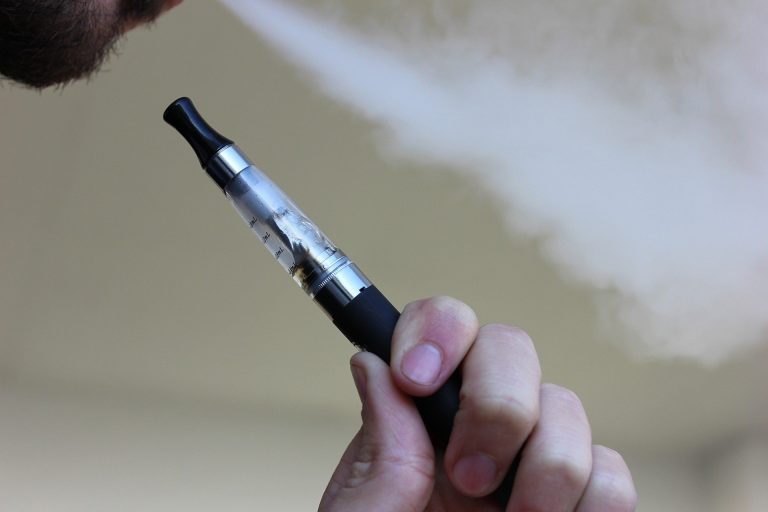
Credit: CC0 Public Domain
A recent groundbreaking study conducted by researchers at Mass General Brigham has unveiled promising results for teens and young adults struggling with vaping addiction. The research highlights how varenicline, an FDA-approved smoking cessation medication, can significantly enhance the chances of successfully quitting vaping.
The Study: Unveiling New Treatment Options
Published in JAMA, the study investigated the effectiveness of varenicline against traditional behavior counseling methods in a demographic that is increasingly at risk from vaping. Lead author Dr. A. Eden Evins, who directs the Center for Addiction Medicine at Massachusetts General Hospital (MGH), emphasized the urgency of addressing nicotine addiction in younger populations.
Why Vaping Is a Growing Concern
Vaping has surged in popularity among adolescents, with about 25% of individuals aged 18 to 25 admitting to using vapes in 2023. Disturbingly, 8% of high schoolers were reported to be vaping in 2024. These devices mimic the effects of traditional cigarettes while presenting additional challenges, such as their discreet nature and ease of use in public settings.
Despite being perceived as a safer alternative, vapes expose users to similar health risks, including:
- Nicotine addiction
- Potential carcinogens
- Heavy metals
- Pulmonary inflammation
Given these hazards, it is crucial to explore effective treatment options for young individuals trapped in vaping addiction.
The Clinical Trial Breakdown
The Mass General Brigham team meticulously designed a randomized clinical trial featuring 261 young participants aged 16 to 25. They were divided into three distinct treatment categories:
- Varenicline paired with weekly behavioral counseling and access to a text support service, “This is Quitting.”
- Placebo pills alongside weekly behavioral counseling and the text support service.
- The text support service alone.
Participants underwent treatment for 12 weeks, followed by monthly check-ins for an additional 12 weeks post-treatment to monitor their progress.
Results and Insights
Throughout the study, participants reported their vaping status weekly, which was then validated using cotinine saliva tests. The findings after 12 weeks were striking:
- 51% of those using varenicline successfully quit vaping.
- Only 14% of the placebo group managed to quit.
- The group relying solely on the text service had just a 6% success rate.
Even at the 24-week follow-up, the results remained compelling: 28% of varenicline users remained vape-free compared to 7% of the placebo users and 4% in the text-only group.
Significance of the Findings
The results underscore the essential role of pharmacological intervention for young people battling nicotine addiction. Notably, participants in the varenicline group experienced three times the success rate in quitting compared to those in the placebo group, despite equal access to behavioral therapy.
Furthermore, it is crucial to note that participants using varenicline did not transition to cigarette smoking, raising the safety profile of the medication in this demographic, according to co-author Dr. Randi Schuster, founding director of the Center for School Behavioral Health at MGH.
A Call for Further Research
While the results are promising, the study authors call for further research to explore additional therapeutic interventions as well as among even younger individuals engaging with nicotine vaping. As varenicline is already FDA-approved for adults, its application is also valid for youth aged 16 to 25 who wish to quit.
In conclusion, this study highlights an urgent public health concern: the prevalence of nicotine addiction due to vaping among adolescents. Varenicline may offer a viable pathway for helping these young individuals reclaim their health.


0 Comments