
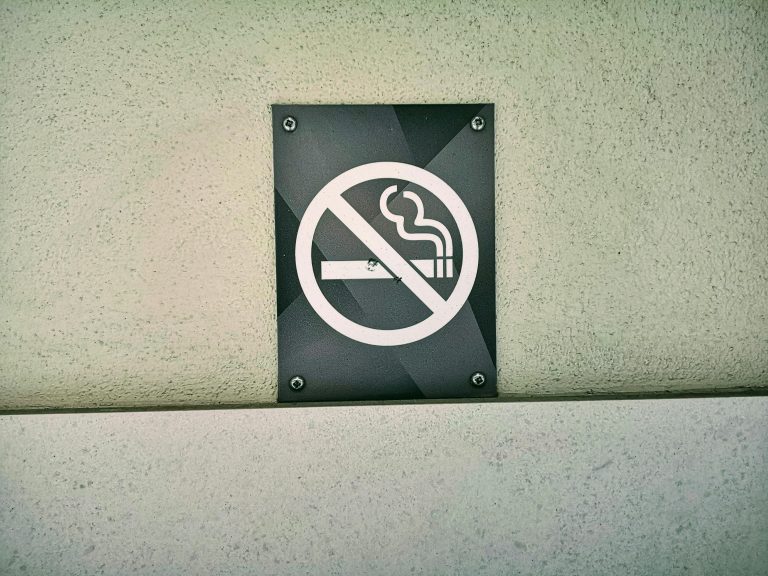

Teens and Vaping: A Growing Concern in 2024
In 2024, a marked decline in the number of teens vaping was reported, though it remains a significant issue within the youth community. The most recent statistics from the FDA (Federal Drug Administration) and CDC (Centers for Disease Control and Prevention) indicate that approximately 1.63 million middle and high school students are currently using e-cigarettes. Despite better awareness around the risks of vaping compared to when e-cigarettes first emerged, misconceptions persist, particularly regarding the danger levels in comparison to smoking. This leads to a critical question: could vaping be as detrimental to health as traditional smoking?
The Risks of Vaping: Health Effects
Traditionally, vaping has been marketed as a safer alternative to smoking; however, the long-term effects are still largely unknown. Historical context reveals that when smoking was first popularized, many were unaware of its health implications, a reflection of the evolving understanding of public health. Recent studies have shown that vaping can adversely affect lung and cardiovascular function, similar to conventional smoking, according to the National Library of Medicine.
The CDC emphasizes that the nicotine present in e-cigarettes poses serious health risks, particularly to adolescents whose brains are still developing. E-cigarette users often consume higher concentrations of nicotine than traditional smokers, contributing to a deeper addiction. Withdrawal symptoms also present challenges for those seeking to quit nicotine. Additionally, e-cigarettes may harbor other harmful substances, including carcinogens, complicating the health landscape further. While some youth may turn to vaping in a bid to manage anxiety or depression, the resultant nicotine dependence can exacerbate these mental health issues.
How Vaping Leads to Smoking
Even if vaping is perceived as a more benign option, it has the propensity to lead to smoking, especially among young users. Nicotine’s addictive nature can drive teens from e-cigarettes to traditional cigarettes. Studies published in the BMJ revealed that adolescents who vaped were twice as likely to transition to smoking in their later teenage years. Notably, the research did not provide evidence that vaping effectively aids in cessation of traditional smoking amongst teens.
The Environmental Impacts of Vaping
The implications of vaping extend beyond human health; they also adversely affect the environment. The production of plastic e-cigarettes, which are typically non-recyclable, has skyrocketed, posing a challenge for countries striving to meet zero plastic waste targets. Although comprehensive studies on the environmental damage caused by e-cigarettes are lacking, evidence suggests that improperly disposed devices leach toxic chemicals into ecosystems, triggering health problems in both wildlife and humans. Additionally, e-cigarettes contribute significantly to various waste types, including electronic and biohazard waste. As regulations on vaping waste differ globally, there’s an urgent need for enhanced awareness and effective disposal solutions.
Conclusion
The question remains: Is vaping as harmful as smoking? Based on current understandings, while smoking is generally accepted as more detrimental to health, the long-term effects of e-cigarettes could reevaluate that perspective over time. Additionally, vaping at a young age often correlates with an increased likelihood of smoking in later life. Beyond personal health, the environmental consequences further complicate the implications of vaping. Ultimately, fostering awareness and encouraging a lifestyle free from both smoking and vaping is crucial for the well-being of individuals and the planet.


0 Comments