
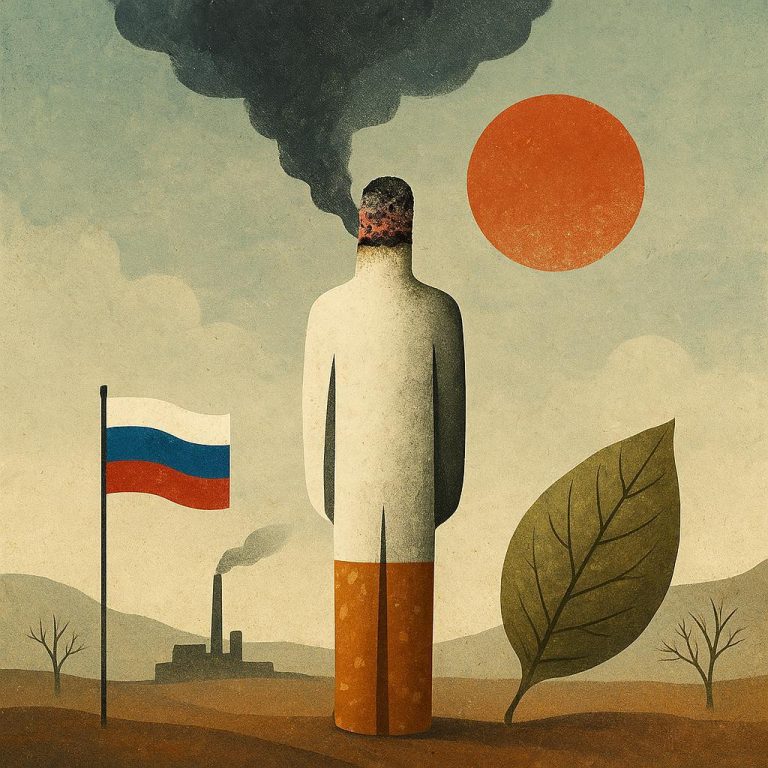

For japan Tobacco, staying in Russia was meant to keep its business running; it also kept the company in the spotlight. As many
international firms rushedfor the exits after Moscow’s invasion of Ukraine, the
tobacco giant remained-leavingit to navigate sanctions, scrutiny and a growing reputational bill. In a market where cigarettes are still for sale, the price of staying might potentially be measured in more than rubles.
Table of Contents
- A lucrative market turns into a liability
- Japan Tobacco’s Russian business draws mounting scrutiny
- Staying put may cost more than walking away
- Conclusion
A lucrative market turns into a liability
Russia offered Japan Tobacco a large established market and a business it chose to keep operating after many international companies began to leave. But that commercial foothold came with a growing risk: the longer foreign firms stayed, the more exposed they were to political pressure and reputational criticism. Market scrutiny of Japan Tobacco’s decision to remain reflects the uncomfortable trade-off between preserving revenue and accepting the costs of doing business in Russia.
That risk is no longer only a matter of headlines.The Japan Times reported that Russia had seized Japan Tobacco’s local assets, a growth that could leave the company with less control over the business it chose to retain. for a company that stayed to keep operations running, the irony is sharp: continued presence does not guarantee continued command.
Japan Tobacco’s Russian business draws mounting scrutiny
The pressure on Japan Tobacco intensified on November 6, 2026, when the company confirmed that four of its Russian manufacturing companies had been placed under Russian control, according to a report on the seizure of Japan Tobacco’s Russian assets. The move turns the risks of staying in Russia from a reputational debate into a question of who can actually direct the business.
That distinction matters: keeping factories open may preserve a commercial presence, but it does not shield a foreign company from decisions made by the state where those assets operate. For Japan Tobacco, the latest development puts its Russia strategy under a sharper spotlight-one where continued operations no longer necessarily mean continued control.
Staying put may cost more than walking away
Japan Tobacco’s Russian business was not a minor outpost: JTI has operated in the country since 1999 and became Russia’s largest tobacco producer, according to a report on the temporary administration of its Russian assets. That scale may have made staying commercially attractive, but it also gives the loss of control greater weight.
Russian President Vladimir Putin later expanded the list of Japan Tobacco businesses placed under temporary administration, MarketScreener reported.Temporary administration is not the same as a confirmed sale or permanent transfer of ownership, but it can still complicate oversight and leave a company with fewer practical choices than it had when it decided to stay.
The diplomatic cost has also surfaced: Japan lodged a formal protest with Moscow over the treatment of JTI’s local assets, according to a report on Japan’s protest. For Japan Tobacco, the bill for remaining in Russia may therefore include more than lost influence over factories; it can also bring political friction and sustained scrutiny of the decision to keep operating.
- Commercial risk: a large, established business can become harder to manage when state control intervenes.
- Reputational risk: continuing to operate keeps the company’s Russia strategy in public view.
- Diplomatic risk: the dispute has prompted a formal protest from Japan.
Walking away would not necessarily have been painlessand the available reports do not quantify what an exit might have cost. But staying has its own price: preserving a presence is of limited comfort if control over the assets-and the terms of operating-can shift beyond the company’s reach.
Conclusion
Please provide the article so far so I can wriet a fitting final section.


