

Rising Vaping Rates Among Students: A Challenge for Schools in Oklahoma
The issue of vaping among students continues to escalate, as evidenced by the recent 2023 National Youth Tobacco Survey conducted by the Centers for Disease Control and Prevention (CDC). The survey revealed that 21.8% of high school students in Oklahoma reported they have engaged in vaping. This statistic aligns with concerns voiced by Cherokee County school officials who are witnessing firsthand the rising trend of e-cigarette usage among students.
The State of Vaping in Schools
Across the nation, 10% of middle and high school students admitted to using tobacco, with vaping being the most prevalent method. In response to this alarming trend, several local schools have instituted zero-tolerance drug policies aimed at combating the vaping epidemic.
Keys High School Principal, Steven Goss, emphasized the health risks associated with vaping. “Vaping poses a serious risk to the health and well-being of our students,” he stated. He explained that what may seem harmless could lead to serious issues, including addiction and respiratory complications, ultimately impacting students’ academic and personal growth.
Disciplinary Measures for Vaping
The consequences for students found vaping vary based on the substance being used. Goss noted that if a student is caught using a nicotine vape, they will face in-school suspension—five days for a first violation and ten days for a second violation within the same academic year. If the device contains THC or other prohibited substances, disciplinary actions are determined according to the specific substance.
In the fight against vaping, schools maintain stringent policies allowing inspections of lockers, classrooms, and even parking lots by school staff, law enforcement, and specially trained “drug-sniffing” dogs.
Accountability and Resources
As outlined in the Hulbert Student Handbook, any student found in possession of illegal substances will have their case referred to state law enforcement, and parents or guardians will be notified. Random drug testing may also occur for athletes and participants in extracurricular activities throughout the school year.
In addition to disciplinary measures, schools are keen on providing resources for students who may be struggling with substance use. For instance, the Keys School is committed to offering information regarding drug and alcohol counseling, rehabilitation, and reentry programs.
Campus Strategies to Deter Vaping
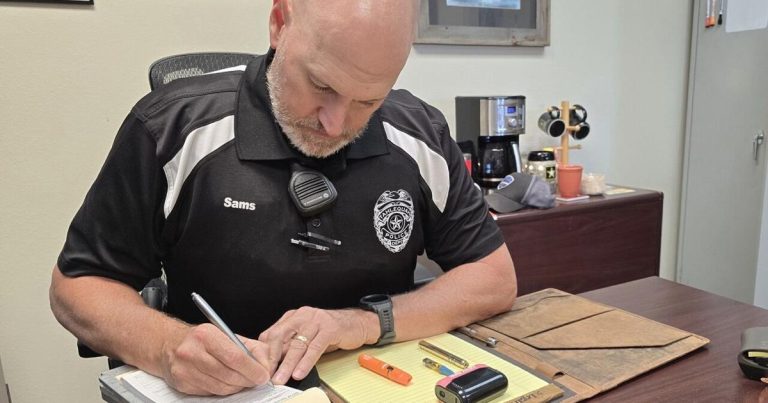
The presence of vaping on campus has become a daily challenge. Tahlequah High School Resource Officer, Marcus Sams, reports that students are regularly caught vaping, often in the restrooms equipped with detectors sensitive to tobacco and cannabis vapors. These detectors log the time and location of the activity, allowing officers to use camera footage to identify offenders.
Upon being identified, students are brought in by Principal Natalie Cloud for a discussion and thorough search of their backpacks. Most students are cooperative during this process and voluntarily surrender their vaping devices, ensuring that parents are informed of the situation.
Consequences for Vaping
The repercussions for vaping can be severe. Those caught vaping tobacco face a five-day placement in the Short Term Alternative Placement program (STAP) and a citation for minor in possession of tobacco. In cases involving marijuana, a student may find themselves facing a 30-day STAP program along with a citation for possession.
“We’re trying to fight the good fight,” Sams remarked on the pervasive issue of vaping in the community. “I think vaping is a problem across the whole town; we’re just one piece of it.”
Community Collaboration and Support
Collaboration with local organizations is also part of the strategic response plan. TPS Preventionist Sonya Davidson highlights the partnership between schools and the Addiction Resource Center, which aims to provide support to students caught smoking or vaping, ensuring their families are informed of available programs to assist in cessation efforts.
“It’s incredibly harmful for their health, and it’s a very addictive substance,” Davidson added. “It is very hard to stop once you start.” This statement captures the essence of why proactive measures and comprehensive programs are crucial in addressing the vaping epidemic among youth.
Conclusion
The rising rates of vaping among high school and middle school students present significant challenges for educators and parents alike. With the commitment to implement strict disciplinary measures, alongside extensive support resources and educational initiatives, schools are striving to curb this trend and protect the health of their students. Addressing the vaping crisis requires a unified effort from educators, law enforcement, and community organizations to create a healthier environment for future generations.


0 Comments