
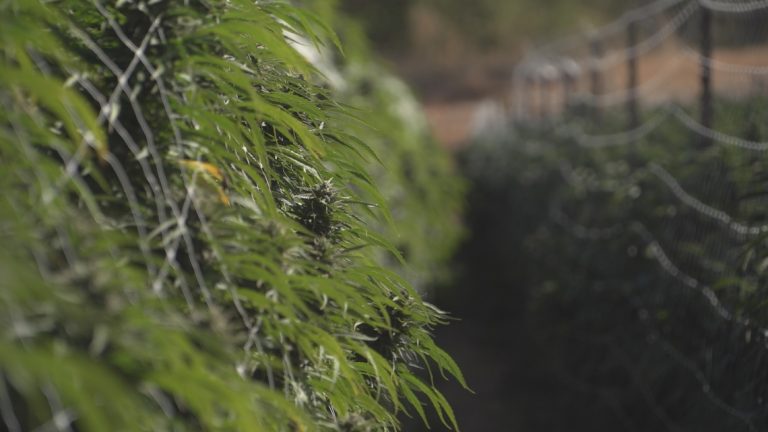

Sonoma County: A Flourishing Hub for Cannabis Cultivation
When one thinks of Sonoma County, California, the mind often wanders towards sprawling vineyards and exquisite wine tasting experiences. However, alongside the renowned grape production, the county has become a burgeoning central hub for cannabis cultivation. As temperatures rise and the harvest season approaches, the intersection of climate and cultivation is more apparent than ever.
The Ideal Climate for Cannabis
Erich Pearson, a seasoned cannabis grower and CEO of SPARC, outlines the nuances of cultivating cannabis in Sonoma County. “It’s got its challenges, like growing cannabis anywhere,” Pearson stated. He brings over a decade of experience growing cannabis in California, noting that the region’s climate plays a crucial role in the quality of the crop. With the recent weather trends being “extremely dry” with some heat, growers have been fortunate as dry conditions help alleviate mold pressures encouraging fuller maturation of the flowers.
However, every silver lining has its cloud. “It’s hotter; it’s just hotter,” Pearson remarks, emphasizing temperatures hitting higher than 100 degrees, which can negatively impact flower production. Nevertheless, the benefits of drier weather often outweigh the challenges presented by the heat, providing a more conducive environment for cannabis growth.
Working Hard in the Fields
As harvest season reaches its peak, workers toil long hours hauling trailers filled with freshly picked cannabis. Once brought to the processing area, workers meticulously trim leaves by hand, ensuring high-quality cannabis ready for drying. Max Bowen, another prominent cannabis grower and CEO of Apex Direct, describes the rigorous process they adhere to: “This is gonna be probably a 10 to 12 hour day, and we’ll do about six to eight of these days a year.”
The trimmed products are carefully arranged for drying, an essential stage in the cannabis lifecycle. “We aim to get the moisture content of this plant down to 50% as quickly as we can,” Pearson explains, as rapid moisture removal helps prevent mold formation. They then slow the drying process to enhance the curing of the cannabis, an important step in preserving its flavor and aroma.
The Intricacies of Terpene Preservation
Emphasizing quality, Pearson elaborates on the significance of terpenes, the compounds responsible for the cannabis’s smell and flavor. “You want the consumer to notice that smell,” he adds. The drying room itself has a distinct aroma, illustrating the importance of preserving these volatile compounds throughout the processing stages.
Once dried for 10 to 14 days, the cannabis undergoes additional trimming before being shipped to Santa Rosa. From there, it faces strict safety testing; any failure in these tests could lead to significant losses, as entire batches are discarded if they do not meet required safety standards. “One of the biggest issues for a lot of farmers here is when they’re next to vineyards,” Bowen points out, highlighting contamination risks that can arise from neighboring crops.
Economic Hurdles for Cannabis Growers
Despite the potential for high-quality cannabis production, local cannabis growers face steep economic challenges. Pearson notes a canopy tax, which amounts to around $35,000 per acre, significantly impacts their operations. In stark contrast, grape growers benefit from fewer taxes and receive extensive subsidies, leading to a competitive advantage for wineries.
This disparity raises concerns among cannabis growers about equity in regulatory frameworks. Pearson argues, “When I have a cultivation tax, I have to pass that through on the product that I sell,” stressing the difficulties he faces when competing with products from counties with less restrictive taxation.
The Future of Cannabis Tourism in Sonoma
One significant aspect of the cannabis industry that growers hope to see change is the regulations surrounding cannabis tourism. Nowadays, laws prevent farms from inviting the public onto their properties or selling directly to consumers. Pearson believes that allowing public access could greatly benefit cannabis businesses and enhance local tourism.
“There are some new rules and regulations around the corner which is going to create more public access to these farms, potentially retail sales,” Pearson explains with optimism. This reflects a progressive shift in Sonoma County’s approach to cannabis company involvement in tourism.
Support from the County
In line with this evolving perception, the County of Sonoma has made strides towards supporting its legal cannabis industry. McCall Miller, the County’s Cannabis Program Coordinator, remarked on their commitment to fostering an environment that aligns with state laws and incorporates feedback from both public and industry representatives. Annual reviews of the cannabis program and amendments to business tax rates demonstrate the county’s efforts to mitigate financial burdens for local operators.
“In 2024, the Sonoma County Cannabis Equity Program championed local operators impacted by the War on Drugs,” Miller stated. These initiatives underscore a robust strategy aimed at not only supporting the cannabis industry but also addressing past injustices relating to drug policy.
Conclusion
As Sonoma County embraces its blossoming cannabis industry, growers face both challenges and opportunities. From the ideal climate for cultivation to regulatory hurdles, the landscape continues to evolve. The fusion of wine country and cannabis culture may just present a unique avenue for tourism and economic growth, reflecting a new era for Sonoma County.


0 Comments