
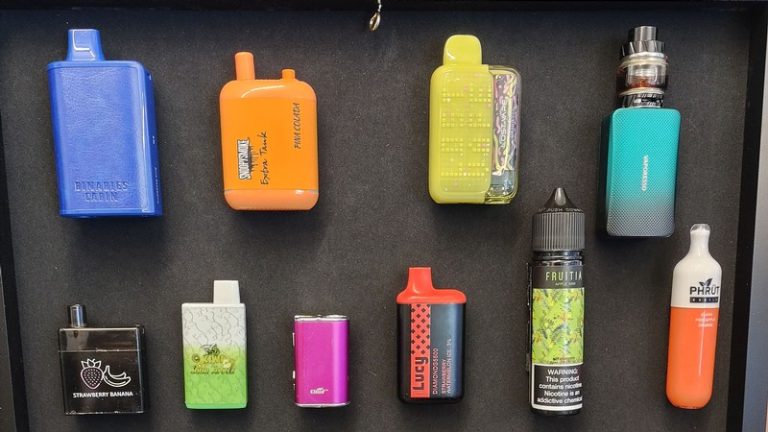

Understanding Youth Vaping: A Comprehensive Guide
Introduction
Youth vaping has emerged as a pressing public health challenge, with the prevalence of e-cigarettes and various vaping devices sharply rising among adolescents. The allure of these products often overshadows the potential health risks that come with their use. This article delves into the essential information surrounding youth vaping to equip readers with knowledge and insight into this evolving issue.
1. What is Vaping?
Vaping is defined as the act of inhaling aerosolized vapor produced by electronic cigarettes, commonly referred to as e-cigarettes, or other vaping devices. The mechanism involves the heating of a liquid known as e-liquid or vape juice, which typically contains nicotine, an array of flavorings, and various other chemicals. The inhalation of this aerosol can expose users to harmful substances, including toxic metals, ultrafine particles, and additional chemicals that may adversely impact lung health.
2. Causes of Youth Vaping
Multiple factors contribute to the proliferation of vaping among youth, including:
- Perception of Safety: A common misconception among younger individuals is that vaping is a safer alternative compared to traditional smoking.
- Attractive Flavors: The variety of enticing flavors, including fruit, candy, and dessert options, make vaping more appealing to young people.
- Social Influence: Peer pressure and the influence of social media significantly normalize vaping among adolescents.
- Accessibility: In some cases, e-cigarettes and related products are easier for young individuals to acquire than traditional tobacco products.
3. Health Risks Associated with Vaping
Contrary to the belief that vaping constitutes a safer choice, there are serious health implications tied to its use:
- Nicotine Addiction: Many vaping products contain nicotine, a substance known for its addictive properties, which is particularly detrimental to developing brains.
- Respiratory Problems: Vaping poses risks for lung health, potentially resulting in respiratory issues and serious conditions like vaping-associated lung injury (EVALI).
- Mental Health Effects: The impact of nicotine on mood and cognitive function can potentially worsen existing mental health issues such as anxiety and depression.
4. Societal Impact of Youth Vaping
The increasing trend of vaping among young people raises significant public health concerns:
- Transition to Traditional Smoking: There is fear that adolescents who vape may be more inclined to experiment with regular tobacco products subsequently.
- Long-Term Health Risks: Although the long-term consequences of vaping are under ongoing investigation, early exposure is suspected to lead to chronic health issues in adulthood.
5. Effective Prevention Strategies
To combat this growing concern, effective prevention strategies must be implemented:
- Education: It is vital for parents, teachers, and healthcare professionals to maintain open dialogue regarding the associated risks of vaping.
- Policy and Regulation: Advocating for policies that restrict the sale and marketing of vaping products to minors can help reduce youth access.
- Support Initiatives: Resources and support systems should be established for young individuals seeking to quit vaping.
Conclusion
The topic of youth vaping is multifaceted and necessitates a concerted effort among parents, educators, healthcare practitioners, and the broader community. Through raising awareness and fostering conversations about the health risks of vaping while promoting alternative healthy behaviors, we can collectively address this concerning trend among adolescents.


0 Comments