

The Decline of Teenage Vaping: A Positive Shift in Public Health
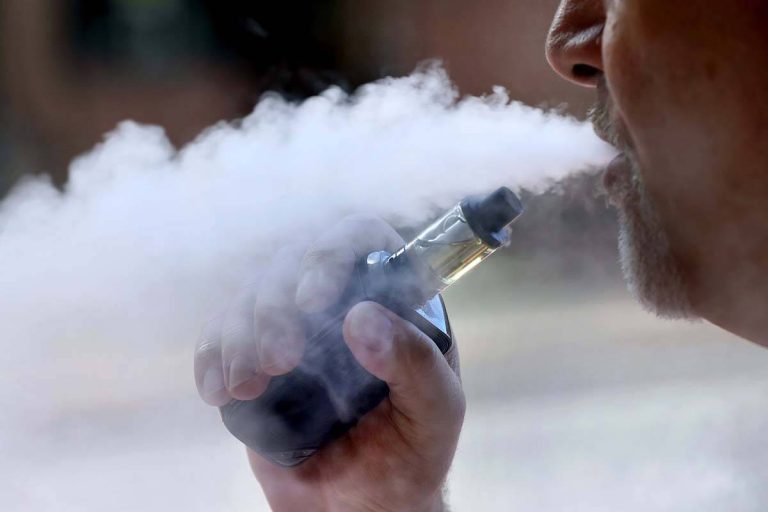
The trend of teenage vaping, which surged dramatically over the past decade, is currently experiencing a noteworthy decline. This reduction comes even in the face of aggressive governmental policies and public health campaigns designed to curb usage among adolescents. Once viewed as a modern rite of passage, vaping appears to be losing its allure among young people.
Factors Contributing to the Decrease in Teenage Vaping
Increased Regulation
A significant factor contributing to the decline in teenage vaping is the heightened regulation surrounding the sale and marketing of e-cigarettes. Stricter age restrictions and flavor bans have made access to these products more challenging for teens. With a reduced availability of appealing options, it’s likely that many young people are reconsidering their choices.
Educational Campaigns
Alongside regulation, robust educational campaigns that underscore the health risks associated with vaping have played a crucial role in shifting perceptions. These campaigns enable parents and educators to take proactive stances against vaping, ensuring that young individuals are well-informed about the potential dangers linked to e-cigarette use.
Changing Social Dynamics
Social dynamics are also evolving, influencing teens’ perceptions of vaping. Initially, vaping thrived due to its status as a “cool” and rebellious alternative to traditional smoking. However, a growing number of health-related stories and documented chronic issues regarding vaping are contributing to a rising stigma around it. Teenagers, who are often keenly aware of their social images, are more inclined to avoid activities that may label them as unhealthy or irresponsible.
Digital Alternatives
The emergence of alternative forms of entertainment and socialization through digital platforms is another potential factor. Social media now provides various means for self-expression and community engagement, reducing the perceived need to emulate vaping culture for social acceptance. As a result, many adolescents are pivoting towards healthier lifestyle choices that prioritize wellness and fitness.
Challenges Ahead in Combating Teenage Vaping
While the decline in vaping rates among adolescents is encouraging, it’s vital to recognize that the battle against nicotine consumption is ongoing. The possibilities for new forms of nicotine products to emerge are ever-present, and existing users may turn to clandestine methods to obtain them. Therefore, continuous monitoring of vaping trends and the adaptation of preventive strategies will remain essential to thwart any resurgence of vaping among teenagers.
The Role of Public Health Efforts
The fading popularity of vaping among teens can be seen as a testament to the success of collaborative public health initiatives. By combining community involvement with evolving cultural narratives, significant strides are being made in discouraging youth from picking up vaping as a habit. The influence of informed choices, alongside proactive measures, highlights the positive effects of societal interventions when confronting public health crises.
As the narrative surrounding vaping continues to evolve, it is crucial to maintain this forward momentum. The ultimate goal is to safeguard the health and well-being of young individuals, ensuring that positive behavioral shifts remain ingrained in their lifestyles.
Looking Forward
To maintain and enhance these positive trends, it is essential to invest in continued public health campaigns that address the risks associated with vaping, while also promoting healthier alternatives. Parents, educators, and community leaders must remain vigilant in engaging young people through open dialogue and education, ensuring that the information around vaping remains both accessible and truthful.
In conclusion, the decline of teenage vaping reflects a broader shift in societal attitudes towards health and wellness. With ongoing support from various stakeholders, our youth can navigate their lives with healthier choices that promote their overall well-being. It is clear that as long as efforts are sustained and adapted to meet the changing landscape of youth culture, the downward trend of vaping among adolescents can continue.


0 Comments