
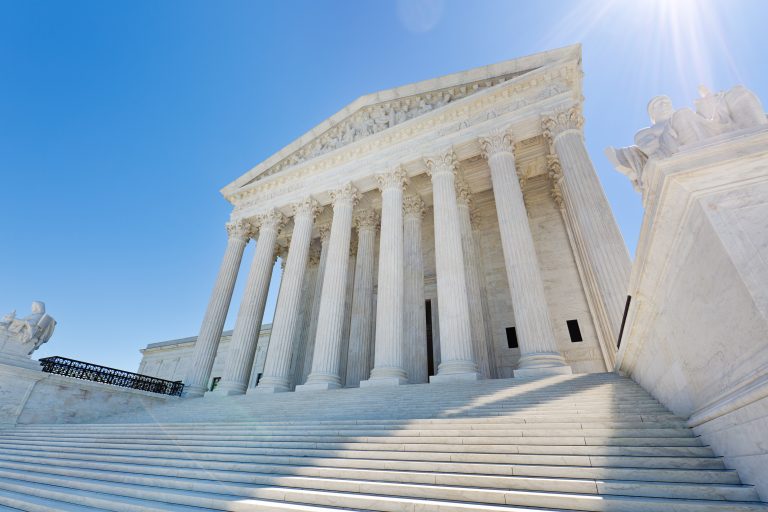

The Supreme Court and FDA: A Clash Over Flavored E-Cigarettes
The ongoing legal battle between the U.S. Food and Drug Administration (FDA) and two specific companies over the sale of sweet-flavored e-cigarettes is drawing significant attention. The case, officially titled Food and Drug Administration v. Wages and White Lion Investments LLC, has reached the Supreme Court, where justices are weighing the implications of regulatory authority granted under the Family Smoking Prevention and Tobacco Control Act of 2009.
The Background of the Case
In this case, the FDA rejected applications submitted by the two companies seeking approval to sell flavored e-cigarette liquids with enticing names such as Rainbow Road, Crème Brulee, and Jimmy the Juice Man Peachy Strawberry. The FDA’s rejection is rooted in concerns that flavored e-cigarettes may appeal more to children and adolescents, potentially leading to increased rates of youth vaping. As part of their regulatory role, the FDA is tasked with ensuring that tobacco products are sourced and marketed in a way that prioritizes public health.
The Regulatory Framework
The foundation of the FDA’s authority lies within the Family Smoking Prevention and Tobacco Control Act, which grants the agency the power to evaluate and authorize tobacco products based on their impact on public health. Specifically, the agency must assess whether new products could help existing tobacco users switch to less harmful alternatives, juxtaposed with the risk of attracting individuals who do not currently use tobacco products, particularly minors.
The Arguments Presented
During the Supreme Court hearings, arguments revealed a division of opinions among the justices regarding the companies’ claims that the FDA’s decision was “arbitrary and capricious.” The companies contended that the FDA had changed the criteria necessary for approval, leading to a denial that they deemed unjust. The FDA, conversely, emphasized its thorough approach to safeguarding public health and highlighted the absence of evidence from the companies demonstrating that flavored e-cigarettes benefit adult smokers attempting to quit conventional tobacco products.
State Support for FDA’s Authority
A group of nineteen states, along with Washington D.C., has aligned itself with the FDA in this litigation. They argue that safeguarding children from the dangers of tobacco use is of paramount importance to public health. Furthermore, these states underlined the necessity for a cohesive federal oversight system to manage such products and their transportation across state lines, whether through retail or online sales.
Potential Implications of the Supreme Court’s Decision
The ramifications of this case extend beyond the involved companies, potentially influencing the broader landscape of e-cigarette regulation. If the Supreme Court sides with the FDA, it could strengthen the agency’s authority to deny applications for flavored tobacco products, setting a precedent for future regulatory measures and market practices. On the other hand, a ruling in favor of the companies could lead to a reevaluation of the FDA’s requirements for product approval, paving the way for more flavored e-cigarettes to enter the market.
What Lies Ahead?
As the legal proceedings continue, stakeholders in the vaping industry, public health advocates, and policymakers await a ruling expected by June next year. The outcome may significantly influence how e-cigarettes are marketed and sold in the United States, particularly regarding flavored products that target adult smokers but have the potential to appeal to younger audiences.
Conclusion
This case will likely serve as a pivotal moment in the ongoing discourse surrounding e-cigarette regulation, youth vaping, and public health concerns. The balance between allowing adult smokers to access potentially less harmful alternatives while preventing youth access to enticing flavors poses a significant challenge that the Supreme Court must navigate.


0 Comments