
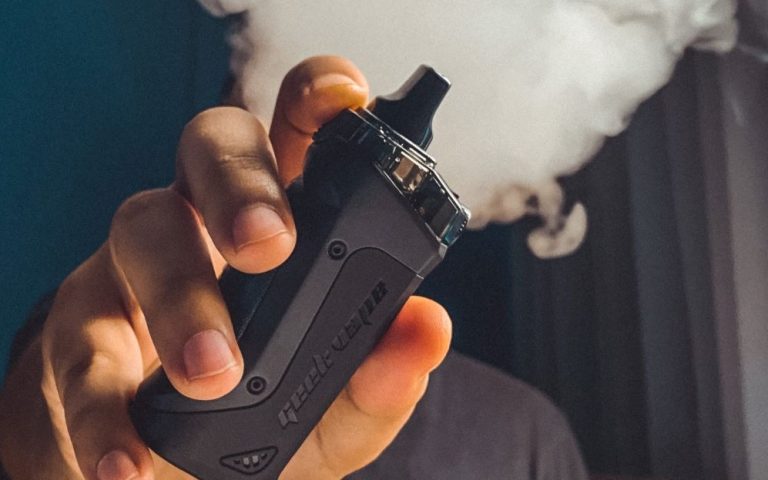

Photo by Renz Macorol from Pexels
The Future of Vaping: A Critical Look at the Ongoing Legal Battle Over Flavored Nicotine Products
The tobacco landscape in the United States is poised for significant change as the U.S. Supreme Court recently deliberated on a landmark case regarding flavored nicotine vaping devices. Known as FDA v. Wages and White Lion Investments, LLC, this case has the potential to alter the regulatory approach towards vaping and impact millions of consumers relying on these products as safer alternatives to traditional cigarettes.
Understanding the Case: What’s at Stake?
At the heart of the case lies a critical examination of the Food and Drug Administration’s (FDA) decision-making process regarding premarket tobacco product applications (PMTA). The case arose as several manufacturers challenged the FDA’s dismissal of their applications for flavored vaping products, claiming that the agency acted arbitrarily and capriciously. The manufacturers found some success in the U.S. Court of Appeals for the 5th Circuit, which criticized the FDA’s shifting regulatory standards—often referred to as a “regulatory switcheroo.”
The Role of Consumer Advocacy
Elizabeth Hicks, US Affairs Analyst for the Consumer Choice Center, expressed concern during the Supreme Court’s oral arguments. She stated:
“This case underscores the need for fairness and transparency in regulatory processes. The FDA’s blanket denials have placed enormous hurdles on firms providing harm-reduction alternatives, potentially decimating an industry that millions of adult consumers rely on to transition away from smoking traditional cigarettes.”
The Consumer Choice Center advocates for clear regulatory frameworks that prioritize consumer rights and access to safer products. Their perspective emphasizes the urgent need for the FDA to improve transparency in its decision-making, particularly as flavored vaping products draw scrutiny from health organizations.
The Broader Debate: Flavored Products and Youth Access
Opponents of flavored nicotine products, including the American Medical Association, argue that these products appeal predominantly to youth and should be restricted or banned to protect young people from nicotine addiction. This tightening of regulations poses a significant dilemma: while protecting youth is important, denying adults access to less harmful alternatives could undermine public health efforts aimed at reducing smoking rates.
The Supreme Court’s Questions
As arguments unfolded, the Justices raised critical points regarding the FDA’s regulatory approach:
- Associate Justice Clarence Thomas remarked on the inconsistency of the FDA’s guidance, describing it as “a moving target.”
- Associate Justice Neil Gorsuch highlighted the lack of jury trial opportunities for applicants, comparing it to historical precedents.
Hicks reiterated the importance of balancing regulations to allow for safer alternatives without compromising protective measures for minors. She emphasized that harm-reduction tools such as flavored vaping devices are essential for adult smokers seeking to transition away from dangerous tobacco products.
The Future of Regulation?
The ongoing legal battle raises essential questions about the future of vaping regulations in the U.S. If the Supreme Court rules favorably for the manufacturers, it could signal a shift towards a regulatory environment that recognizes the role of harm-reduction products in public health strategy. This could also pave the way for further innovations in vaping technologies and flavors, benefitting countless consumers looking for safer alternatives.
Call to Action
The Consumer Choice Center has emphasized the need for regulators to ensure clear, fair, and evidence-based decision-making that accommodates the evolving landscape of nicotine products. As advocacy groups and industry stakeholders await the Supreme Court’s decision, the outcome will undoubtedly shape the vaping industry and consumer access for years to come.
The Consumer Choice Center is an independent, nonpartisan advocacy group working to promote consumer freedom and innovative solutions in over 100 countries. Stay informed on regulatory progress by visiting www.consumerchoicecenter.org.


0 Comments