

The Future of Cannabis Licensing in New York: An Overview
As New York continues to navigate its cannabis market, significant developments are on the horizon for license applications and regulatory measures. The state Office of Cannabis Management (OCM) intends to present recommendations to state cannabis regulators early next year. This initiative aims to create a smooth timeline for reviewing license applications and stabilizing New York’s cannabis supply chain.
Recent Developments
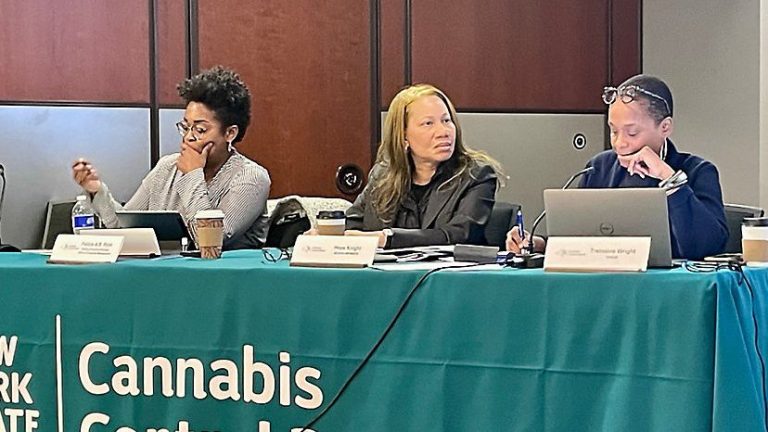
During the last regular meeting of the year in Albany, the Cannabis Control Board approved 68 new licenses for retailers, processors, distributors, and other stakeholders in the industry. This decision reflects the board’s ongoing effort to manage the over 3,300 license applications that have been submitted to the agency, with a substantial majority intended for adult-use stores. Felicia A.B. Reid, the acting and Deputy Executive Director of OCM, emphasized the importance of cautious licensure to avoid market saturation.
“We have to be really careful about how we proceed around licensure because we don’t want to… saturate that market,” Reid stated in a recent interview.
Current Status of Applications
OCM is addressing around 100 applications monthly and has approximately 300 applications left to review from November, prioritized for those with secured retail spaces. Additionally, a separate queue of about 3,000 applications from last December remains inactive. As the board analyzes the state’s cannabis output, consumer sales, and potential market vulnerabilities, updates are anticipated during the board’s meeting in January.
Market Performance and Growth Potential
Despite a slight decline in dispensary revenue, projections indicate that the state’s total marijuana retail sales will surpass $1 billion by year’s end. Currently, there are 261 legal dispensaries functioning across New York. A recent analysis by Whitney Economics suggests that the state could potentially support as many as 2,000 dispensaries, prompting discussions among board members regarding future licensure recommendations.
Legislative Actions and Support for Retailers
Assembly Majority Leader Crystal Peoples-Stokes attended the board meeting to advocate for legislative actions enhancing OCM’s social equity initiatives and providing more support for Conditional Adult Use Retail Dispensary licensees. She highlighted that many retailers have taken loans from a state equity fund, which has posed financial challenges for some participants.
“Loans from this fund… are really costing some of them a lot of money and are close to putting some of them out of business,” Peoples-Stokes emphasized.
OCM Staffing and Market Oversight
OCM is on track to increase its personnel by 29 staff members, raising the team number from its current 216 employees. Since August, the agency has brought on 36 new hires following an unfavorable state audit that necessitated leadership changes. Among these new hires, there will be attorneys, scientists, and various support staff as part of enhanced compliance and enforcement efforts targeting illegal operations.
Addressing Licensing Delays
Many retail applicants expressed frustration over lengthy waits for their license applications, which have sometimes left them paying rent for properties that cannot be utilized. The sentiment was echoed by Peoples-Stokes, who called for clarifications regarding the delays to prevent applicants from incurring unnecessary costs.
“Don’t ask people to pay rent for somewhere for a year that they cannot get a license for,” she urged.
Overcoming Regulatory Challenges
One notable challenge facing new licensees is the state law requiring dispensaries to be at least 1,000 feet apart from one another. This regulation has complicated the operations of many licensees attempting to launch their businesses. However, Reid opined that it is premature for the Legislature to consider altering this rule, suggesting a careful and piecewise approach to any potential changes.
“I don’t think that we should get into thinking about the 1,000-foot rule in categorical waivers,” Reid noted. “We want to take a piece-by-piece approach and understand what’s happening on the ground before we think about changing any of the rules.”
Conclusion
As New York’s cannabis industry continues to expand and develop, the upcoming recommendations from the Office of Cannabis Management will play a crucial role in determining the stability of the market. With ongoing legislative discussions and a focus on improving processes for applicants, the future appears dynamic and engaging for both regulators and cannabis entrepreneurs.


0 Comments