
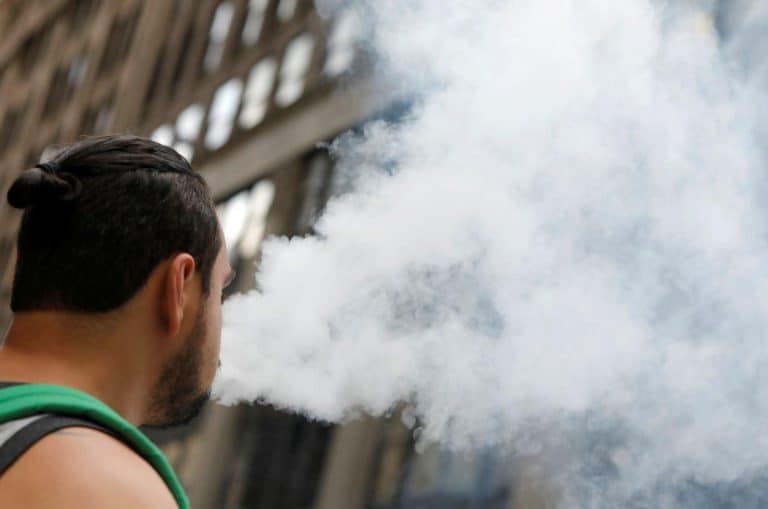

The Shift of Vape Regulation from DTI to FDA: A Crucial Step for Public Health
The ongoing debate regarding the regulation of vape products in the Philippines has escalated to a critical point as health organizations are urging lawmakers to transfer the authority from the Department of Trade and Industry (DTI) to the Food and Drug Administration (FDA). This call to action responds to rising health concerns, especially regarding e-cigarette or vape-associated lung injuries (EVALI) prevalent amongst the youth.
Understanding the Need for Regulatory Change
The Southeast Asian Tobacco Control Alliance (SEATCA) has expressed strong concerns regarding the health implications of electronic smoking devices (ESDs). Dr. Ulysses Dorotheo, Executive Director of SEATCA, emphasized the necessity of re-evaluating the Vaporized Nicotine and Non-Nicotine Products Regulations Act which currently places regulatory power over ESDs with the DTI. “As ESDs are harmful to health, the FDA is the appropriate agency to regulate these products,” he stated.
Supreme Court’s Ruling: A Game Changer
Adding weight to the call for regulatory change is a recent ruling by the Supreme Court, affirming the FDA’s authority over health aspects of tobacco products. This pivotal decision enables the FDA to implement necessary tobacco control measures without undue influence from the tobacco industry, a scenario which had hindered effective regulation in the past.
“This legal battle is a classic example of the tobacco industry’s tactic to delay and derail life-saving tobacco control policies,” said Dr. Dorotheo.
The Supreme Court’s decision has been hailed as a significant victory not only for public health advocates but also for the entirety of the Filipino population, as it safeguards the regulatory power of health authorities against the pressures of the tobacco industry. Such decisive actions are what Dr. Dorotheo encourages other nations to adopt as well.
The Role of HealthJustice and Other Advocacy Groups
HealthJustice, a public health advocacy group, echoed the sentiments of SEATCA, reinforcing their support for the Department of Health (DOH) and the FDA regarding their jurisdiction over diverse tobacco products, including vapes and heated tobacco products. Atty. Alexander Padilla, a former Health Undersecretary, has voiced his approval of the Supreme Court’s ruling, calling it a timely and necessary move as the nation grapples with an escalating health crisis fueled by the tobacco industry’s aggressive product marketing.
Atty. Padilla pointed out: “The DOH and FDA should crack down on these harmful products before it is too late for our youth.” This statement reflects a growing awareness and urgency from health advocates who are increasingly concerned for the younger population who may be more susceptible to the detrimental effects of vapes and other nicotine delivery systems.
Aligning with Global Standards
The Supreme Court reiterated its decision aligns with the World Health Organization Framework Convention on Tobacco Control (WHO-FCTC). This alignment positions the Philippines to engage more effectively with international tobacco control strategies, which aim to mitigate the adverse health effects of tobacco use globally.
Feedback and Support from the Department of Health
The DOH has publicly welcomed the Supreme Court’s ruling, portraying it as a triumph for public health. “We see this decision by the Supreme Court as a triumph of justice in favor of health for our people,” stated a representative of the DOH, expressing gratitude for the court’s decision and signaling readiness to act decisively against harmful tobacco products, particularly vapes.
Implications for Future Legislation
This recent legal ruling and the heightened calls for regulatory overhaul pose significant implications for future legislation concerning vape products. The FDA’s imminent oversight could lead to more stringent regulations on the marketing, distribution, and sale of e-cigarettes and other vaping devices, especially as these products continue to penetrate the youth market.
Conclusion
As lawmakers contemplate this pivotal shift in regulatory authority, it is essential to prioritize public health and the prevention of further youth exposure to potentially hazardous products. The collaboration between health organizations, advocacy groups, and the government presents a united front that seeks to protect citizens from the manipulated appeal of vaping products. By advocating for a transfer of regulatory responsibilities to the FDA, there is hope for more stringent control and the potential for healthier future generations.
FAQ
1. Why is the FDA considered a better regulatory authority for vape products than the DTI?
The FDA’s focus is primarily on public health and safety, making it better equipped to regulate the health aspects of vape products compared to the DTI, which primarily aims at trade and industry regulations.
2. What are the potential impacts of the Supreme Court ruling on public health?
The ruling could lead to stricter regulations on vaping products, limiting youth access and potentially lowering the number of vape-related health issues such as EVALI.
3. How do the recent developments align with international tobacco control initiatives?
The Supreme Court’s decision reaffirms the Philippines’ commitment to global efforts in reducing tobacco harm as outlined in the WHO-FCTC, promoting health-focused regulation of tobacco products.
4. What steps are being recommended to combat the rise of vaping among youth?
Advocates recommend increased regulation of vaping products, public awareness campaigns, and educational programs focused on the risks associated with vaping to deter youth from using these products.


0 Comments