
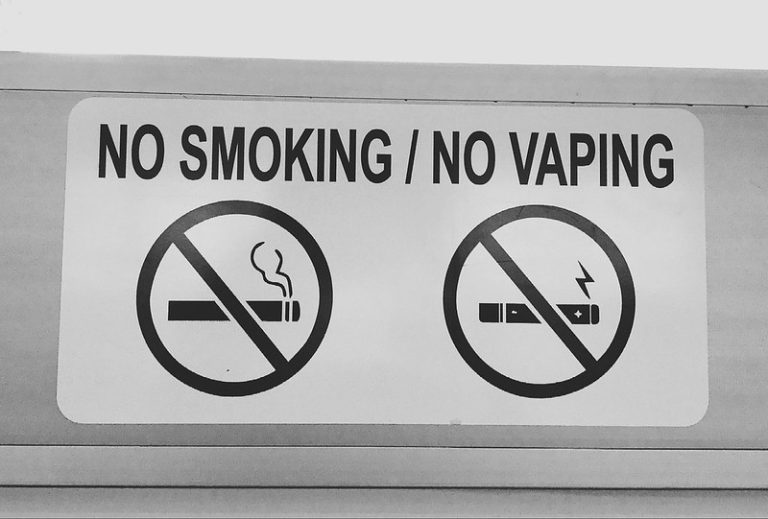

Tobacco Harm Reduction: A New Perspective
The conversation around tobacco harm reduction (THR) has gained attention in recent years, prompting many to question its significance. Initially, many people, including myself, understood harm reduction primarily as a strategy directed at substance abuse issues. The concept of utilizing similar principles for tobacco seemed unfamiliar and, frankly, unnecessary. Wasn’t quitting tobacco the only real solution? But as discussions progressed, it became evident that this perspective requires reevaluation.
Understanding Tobacco Harm Reduction
For many years, the prevailing message surrounding tobacco has been simple: Tobacco kills! Don’t do it! This black-and-white approach leaves little room for consideration of the complexities surrounding tobacco use, particularly for those who struggle with quitting. For millions, the idea of quitting nicotine entirely is either unrealistic or undesirable. This is the crux of tobacco harm reduction—a framework aimed at minimizing the health risks associated with tobacco consumption while acknowledging that complete cessation may not be feasible for everyone.
The Scale of Tobacco-Related Harms
With approximately half a million smoking-related deaths occurring annually in the United States alone, the need for effective harm reduction strategies is undeniable. Globally, that number reaches about 8 million deaths each year. These statistics are stark reminders that while quitting is a commendable goal, a significant portion of the population may require alternatives to traditional smoking that are less harmful.
Intersectionality in Harm Reduction
The principles of intersectionality emerge as a vital element in addressing tobacco harm reduction. It is crucial for harm reduction advocates to expand their focus and incorporate multiple issues that intersect with tobacco use. For example, individuals struggling with substance use are often high-rate smokers, and their mortality risks may be more strongly linked to tobacco than to other substances. By acknowledging these intertwined issues, harm reduction advocates can develop more comprehensive solutions that cater to the varied needs of those affected.
Common Misconceptions and Misinformation
Misinformation surrounding THR permeates public discourse, often stifling progress and understanding. Many people erroneously believe that switching from traditional cigarettes to vapes is merely a brand change rather than a notable shift to a significantly less harmful alternative. This misconception denies individuals critical insights that could encourage a healthier lifestyle.
Furthermore, misinformation heavily influences policy decisions, particularly concerning tobacco products within institutional settings, such as prisons. The stigma attached to tobacco users can lead to policy-making that neglects factual data, opting instead for ideological stances that result in unintended harm. For instance, banning safer alternatives like vapes and heated tobacco products does not prevent tobacco use; it complicates it, leading to negative health outcomes.
The Role of Stigma in Misinformation
Stigma acts as a formidable barrier across all areas of harm reduction. Both people who use illicit drugs and smokers face stigma that shapes public perception and influences policy. To advance tobacco harm reduction effectively, it is essential to confront and dismantle these stigmas. Writing accurate and informative articles about THR serves as one way to combat misinformation and promote a more informed public.
A Call for Integrated Harm Reduction Approaches
The goal of integrated harm reduction is to bridge the gap between various approaches and ensure a holistic understanding of the challenges posed by tobacco and other substances. How do we address ongoing public health issues while still promoting viable alternatives for users? These are critical questions that arise as we seek to foster a more effective harm reduction landscape.
The Future of Tobacco Harm Reduction
As I continue on my journey in understanding tobacco harm reduction, I recognize that this landscape is filled with questions rather than answers. How can we improve communication about the risks associated with tobacco and the benefits of alternatives? What roles do industries and lawmakers play in addressing nicotine consumption? Most importantly, how can we work collaboratively to create a more comprehensive harm reduction framework that includes tobacco alternatives?
Conclusion
The emergence of tobacco harm reduction as a significant player in public health is a welcomed complexity that challenges traditional views on tobacco use. It is not merely about quitting; it is about providing informed options for those who may not be ready or able to stop entirely. With ongoing education and open dialogue, we can aim for a future where safe alternatives are recognized, understood, and available for those who need them.


0 Comments