

Newsfeed
Clinical trial results emphasize the need to track liver safety as a potential and unintended adverse effect of CBD.
July 15, 2025 • By Laura Schmidt
Cannabidiol (CBD) may cause harm to the liver even in low doses, according to a clinical trial conducted by the Food and Drug Administration’s (FDA) Division of Applied Regulatory Science.
FDA researchers aimed to assess how low doses of CBD affect liver function in healthy middle-aged men and women, according to NBC News. The randomized double-blind placebo-controlled trial involved 201 volunteers who received either 5 milligrams of oral CBD or a placebo. The goal was to administer an amount of CBD that the average consumer might use.
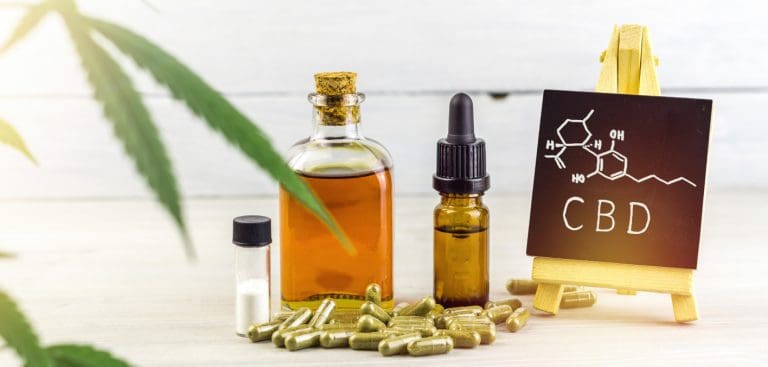
CBD is the second most prevalent active ingredient in cannabis (marijuana) and contains no THC, the psychoactive component of the cannabis plant. While research is still ongoing to determine its safety, CBD can be used in the form of capsules, gummies, oils and lotions and is commonly taken to alleviate anxiety, pain, sleep disorders and other conditions, such as epilepsy. Common side effects include nausea, fatigue and irritability, according to Harvard Medical School.
While most people in the trial were unaffected, 5% showed significantly elevated levels of aminotransferase, a liver enzyme that indicates liver cell damage or inflammation. Women were more vulnerable to this side effect compared with men. Within one or two weeks of stopping CBD use, however, the aminotransferase levels returned to normal.
Several participants withdrew from the trial because of signs of potential drug-induced liver injury.
“This is a significant finding, as it suggests that CBD itself, even in the absence of other drugs, may pose a risk to liver health,” Amir Englund, PhD, a researcher at King’s College London who was not involved in the trial, told NBC. “The results have important implications for individuals using over-the-counter CBD supplements. Many may be unaware of the potential for liver injury and assume that CBD is entirely benign.”
Only one participant with elevated liver enzymes noticed any symptoms within four weeks of CBD use, which suggests that users may not realize they are experiencing harm and should discuss regular CBD use with their doctors.
“This was an important observation from the study,” Paul Watkins, MD, a professor of pharmacy at the University of North Carolina at Chapel Hill, told NBC. “When doctors get liver chemistry results back and they’re out of whack, they should be aware to ask, ‘Were you taking CBD?’ Because a lot of people are.”
Several existing studies have shown that people most at risk of liver injury are those taking oral doses of CBD exceeding 1,000 mg per day.
Most trial participants who experienced the most serious liver problems also developed signs of an immune condition called eosinophilia, which develops when the body produces too many eosinophils, which are a type of white blood cell that support the immune system.
“Given the growing interest in CBD as a potential treatment for conditions such as psychosis and cannabis use disorder, these findings underscore the importance of monitoring liver enzyme levels in future clinical trials,” Englund said.
Sales of CBD have grown exponentially from $108 million in 2014 to $1.9 billion in 2022.
“Overall, the liver is very good at adjusting to sources of drug stress [indicated by elevated enzymes],” Watkins said, noting the network hasn’t detected a case of serious liver injury attributed to CBD. “There could be people out there whose liver doesn’t adjust very well, and as companies compete for market share, you might start getting more potent CBD, which could push people into the ranges where they’re getting into trouble, but the data we’ve got suggests it’s very safe.”
To learn more, click #Cannabis. There, you’ll see headlines such as “Cannabis Could Be Bad for Your Heart,“ ”Reported Use of Most Drugs Among Adolescents Remained Low in 2024“ and ”As Cannabis Users Age, Health Risks Appear to Grow.”
- #cannabis
- #CBD
- #Food and Drug Administration
- #liver
- #liver damage
- #marijuana
Read More About:


0 Comments