
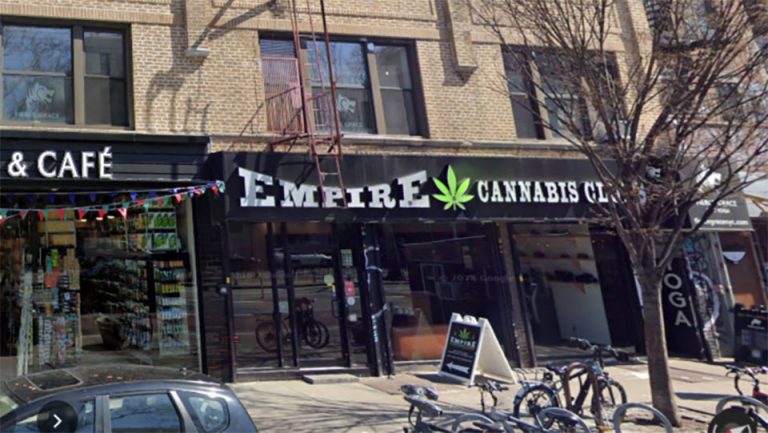

Empire Cannabis Club Takes Legal Stand Against New York’s Cannabis Crackdown
The ongoing struggle over New York’s recreational marijuana market has intensified with the latest legal battle from the Empire Cannabis Club. Operating since 2021 without city or state marijuana permits, the notable cannabis retailer is challenging law enforcement’s recent crackdown, which they argue violates constitutional rights. Here’s a closer look at how this situation unfolded and what it means for the cannabis landscape in New York.
Background of the Empire Cannabis Club
Empire Cannabis Club, known for its unique not-for-profit business model, has positioned itself as an alternative to for-profit cannabis retailers. Its owner, Jonathan Elfand, emphasizes that the organization’s operations are fully compliant with the Marihuana Regulation and Taxation Act (MRTA). According to Elfand, operating as a not-for-profit negates the need for a traditional cannabis business license, as long as the club does not earn a profit. Members pay a straightforward monthly fee of $24.99 to access cannabis goods at no markup.
Despite providing high-quality marijuana products and serving approximately 196,000 members, the recent raids cast a shadow over Empire’s operations. On August 29, law enforcement officials shut down all five Empire locations in New York City as part of Operation Padlock, an initiative aimed at targeting unlicensed cannabis sales. Elfand claims that this sweeping enforcement action was not only aggressive but also unconstitutional.
The Legal Challenge
Empire’s lawsuit, filed in the New York Supreme Court, names several high-profile defendants, including Governor Kathy Hochul and Mayor Eric Adams. The central argument is that the enforcement actions taken against unlicensed cannabis businesses, including Empire, are unlawful since they were conducted under the pretense of “regulatory inspections.” This approach reportedly allowed law enforcement to conduct searches without obtaining warrants, thus bypassing legal due process for the businesses affected by these raids.
Elfand firmly holds that the not-for-profit model is a legitimate framework within the MRTA’s guidelines. “As long as you’re not profiting, you don’t need a license,” he asserted. The lawsuit further claims that under the safe harbor provisions of MRTA, individuals are allowed to transfer up to three ounces of marijuana without it being classified as a “sale.” It targets what they perceive as a preemptive strike against what they consider law-abiding cannabis operations.
Implications of the Crackdown
The brutal enforcement action has exacerbated tensions between unlicensed retailers and city officials, leading to despondency within the cannabis community. Since the onset of these aggressive operations, over 1,300 cannabis retailers have been closed, prompting accusations from Elfand that the city is effectively “restarting the war on cannabis.” This lawsuit holds the potential to impact not just Empire but also other similar operators trying to navigate the murky waters of legal compliance in the cannabis sector.
Details of the Raid
On the morning of the raids, Elfand recalls how law enforcement stormed multiple locations with an overwhelming presence. Eyewitness accounts from Empire staff detail that deputies did not announce themselves as law enforcement, which raises further questions about the legality of the actions taken during the raids. One manager reported being coerced into providing access to the cannabis club’s safe without any official warrant initially being presented.
The Road Ahead for Empire Cannabis Club
As proceedings progress, Elfand’s determination reflects a growing discontent within the cannabis community over the treatment of unlicensed businesses, which many see as a strategic move to stifle competition in favor of larger, more established companies. The Empire Cannabis Club’s legal battle could reshape how local and state authorities regulate the burgeoning cannabis market post-legalization.
The lawsuit does not only seek an end to these oppressive measures but also acknowledges the significant taxes and contributions Empire has made to both state and city coffers. With gross sales reported at $2.5 million in the second quarter of 2024 alone, Empire is making an economic case for its continued existence in the cannabis marketplace.
As this legal battle unfolds, the outcome could open doors for other unlicensed cannabis operations, establishing precedents about what constitutes lawful cannabis transactions under New York’s evolving cannabis laws. Only time will reveal how this situation will resolve, but for now, Empire Cannabis Club stands firm in its fight against what it regards as government overreach.
What is the Empire Cannabis Club’s business model?
What triggered the legal action against the Empire Cannabis Club?
How does the Empire Cannabis Club justify its operations?
What are the possible outcomes of the lawsuit?
Legal Battle Erupts as Empire Tries to Navigate Cannabis Market in New York
The cannabis landscape in New York is undergoing a turbulent transformation. Governor Kathy Hochul and state officials are vigorously attempting to regulate the market while simultaneously targeting unlicensed marijuana sellers. However, a recent high-profile lawsuit against the city has sparked a heated debate regarding the legality of these enforcement actions, positioning Empire as a central figure in this growing conflict.
The Raid and Allegations of Misconduct
In an incident reported in a recent lawsuit, the manager of Empire alleges that officers conducting a raid went beyond their authoritative limits. He claims that during the operation, law enforcement officials expressed an interest in trying the products being sold and even noted instances where items were allegedly pocketed by some officers present at the scene.
The aftermath of the raid was distressing for the manager, who reported being detained for over ten hours, during which she was only permitted to use the restroom twice despite suffering from significant medical conditions, including endometriosis and ovarian cysts. She has since described her treatment as “absolutely despicable” and characterized the entire experience as “horrendous.”
Breaking Down the Negotiations
With negotiations between Empire and state officials coming to a standstill, the owner, Elfand, is prepared to escalate the situation into court. He asserts that the state’s actions are unconstitutional and that they must obtain a warrant before executing such raids.
Elfand’s strategy revolves around a particular segment of state law that could potentially allow Empire to be integrated into the legal cannabis market. “I went to them kindly; my statement to them was, either take my offer, or I win anyway,” Elfand expressed, exuding confidence amid the legal turmoil. He has further revealed plans to expand, stating he is ready to open additional locations and aims to have 14 shops operational in New York City before any legal amendments can be enforced.
Potential Consequences of the Legal Battle
The legal proceedings that lie ahead remain uncertain, though Elfand has indicated that the New York City district attorney’s office is already aware of the developing situation. He anticipates that a ruling concerning his restraining order request could arrive shortly.
A noteworthy aspect of this impending case is the scrutiny it places on the actions of city officials regarding the raids. Should Elfand prevail, there is the potential for significant financial repercussions for the city and the state, particularly concerning the compensation for those negatively affected by police operations. Elfand argues, “All unconstitutional. Everything you did, shutting these smoke shops, from day one, was illegal.”
Moreover, the controversy surrounding the destruction of illegal cannabis during the raids, which amounted to four tons incinerated under Mayor Adams’s supervision, could incur additional liabilities for the city, financially speaking. Elfand claims, “All this big burning of stuff, now they’ve got to pay for it,” which if validated in court could leave local authorities scrambling to cover the costs.
The Bigger Picture: Cannabis Regulation in New York
The challenges surrounding illicit cannabis sales in New York highlight a broader issue within state regulations. The rush to establish a moral and legal authority over cannabis sales has resulted in responses that some argue overstep legal boundaries. While state officials seek to eliminate competition that operates outside of their regulations, they may also expose themselves to legal liabilities if actions taken are deemed unconstitutional.
The situation also embodies a conflict between the state’s attempts to cultivate an orderly marketplace for cannabis and the fundamental rights of entrepreneurs trying to establish their businesses. This illustrates a cultural shift wherein cannabis is increasingly viewed through the lens of opportunity and economic potential rather than criminality.
Conclusion: An Ongoing Legal Saga
As the legal battle unfolds, it will shine a light on how New York intends to approach cannabis regulation amidst a blurred line between legality and enforcement. With boots on the ground already planning future expansions, Elfand’s determination could pave the way for a new paradigm in the burgeoning cannabis sector.


0 Comments