
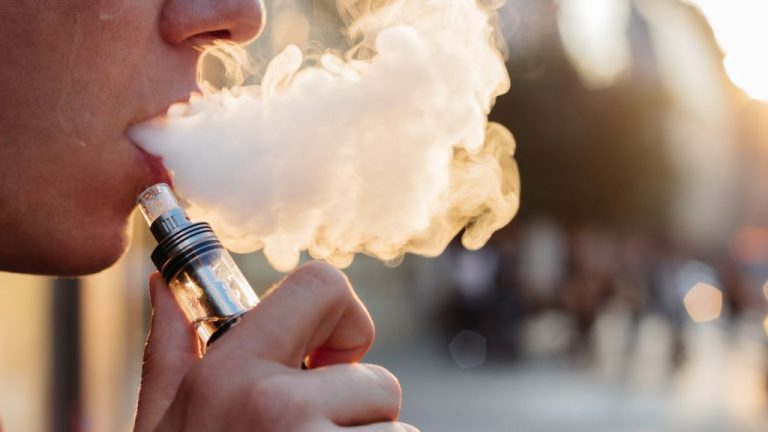

The Growing Concern Over Vaping Among Youth: Global Perspectives
Recent discussions among global leaders and health organizations have sparked a renewed focus on the alarming trend of vaping among minors. Officials in many countries are highlighting the urgent need for regulations to curb the youth vaping epidemic, particularly with the rise of disposable e-cigarettes. This article delves into the latest developments, responses from governments, and the potential strategies being proposed to tackle this pressing public health issue.
UK Government Takes Action
British Prime Minister Rishi Sunak has raised alarms about the rising rates of vaping among children in the UK. According to a report, a striking 9% of 11- to 15-year-olds are currently using vapes, a figure that has spurred governmental action and public concern.
Calls for Regulation
The Prime Minister emphasized the importance of regulating the sale of disposable vapes. “We cannot turn a blind eye to this growing problem,” said Sunak, asserting that tougher restrictions are needed to prevent underage access to vaping products. This initiative aligns with wider public health strategies aiming to reduce nicotine addiction among youth.
EU’s Comprehensive Strategy Against Vaping
Moving beyond the UK, the European Union (EU) is also stepping up its regulations regarding smoking and vaping, especially in public spaces. On September 17, 2024, the European Commission made a significant recommendation that all member states should implement bans on smoking and vaping in various outdoor areas, such as:
- Playgrounds
- Swimming pools
- Restaurant patios
- Bus stops
- Zoos
- Café terraces
- Rooftop bars
A Healthier Environment for Children
Health Commissioner Stella Kyriakides stated, “We have a duty to protect our citizens, particularly children and young people, against exposure to harmful smoke and emissions.” This sentiment reflects a broader commitment to public health and safeguarding vulnerable populations.
Global Statistics and Health Impact
The global health crisis attributed to tobacco use is staggering. According to the World Health Organization (WHO), tobacco usage accounts for the deaths of over eight million people annually, including approximately 1.3 million non-smokers exposed to second-hand smoke. Furthermore, emissions from electronic cigarettes contain nicotine and other harmful substances, which pose additional risks for those in the vicinity.
EU’s Ambitious Goals for 2040
The EU’s strategy aims to halve the smoking population from around 25% to less than 5% by 2040 as part of its “Beating Cancer Plan.” Achieving this goal necessitates concerted efforts at both national and community levels to implement, monitor, and enforce these new policies effectively.
Challenges Ahead: Member States’ Responsibilities
While the European Commission can recommend actions, the enforcement of health policies lies within the jurisdiction of individual member states. Thus, the effectiveness of these recommendations is contingent upon each country’s willingness and ability to adopt and enforce such measures.
Why Addressing Vaping Among Youth is Crucial
Addressing the rising trend of vaping among adolescents is vital for the future health of populations. The perception that vaping is less harmful than smoking has led many young individuals to experiment with e-cigarettes, with potentially dangerous long-term consequences. Authorities must act swiftly not only to impose stricter regulations but also to educate communities about the risks associated with vaping.
Potential Solutions and Resources
To combat the youth vaping crisis effectively, authorities may consider:
- Increased age restrictions on the sale of vaping products
- Public awareness campaigns regarding the risks of vaping
- School programs aimed at educating children about the dangers of nicotine
- Collaboration with healthcare professionals to provide resources and support
Conclusion
The rise in vaping among young people is a multifaceted issue requiring immediate attention from governments, parents, and communities alike. By implementing actionable policies and raising awareness about the risks of vaping and smoking, a healthier environment can be fostered for future generations.


0 Comments