
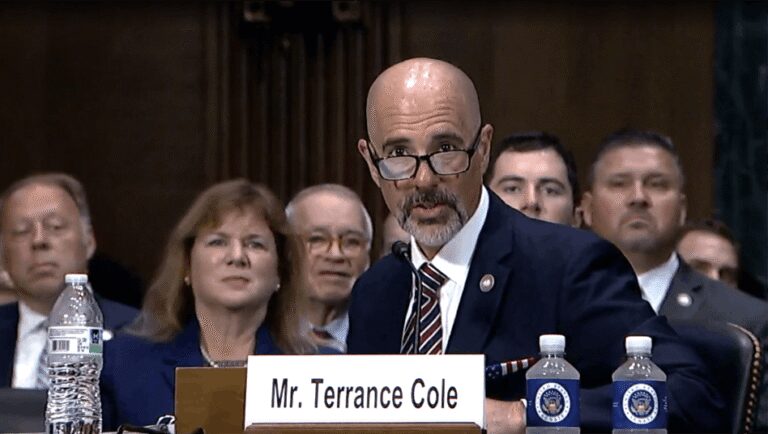

Future of Cannabis Policy: Insights from Terry Cole’s DEA Nomination Hearing
The recent nomination hearing of Terry Cole, nominated by President Donald Trump to lead the Drug Enforcement Administration (DEA), has brought both optimism and concern to those advocating for cannabis rescheduling. On April 30, Cole assured U.S. Senate Judiciary Committee members that reviewing the DEA’s status on rescheduling cannabis would be among his first priorities if confirmed.
Current Status of Cannabis Rescheduling
At present, the DEA is embroiled in an administrative law judge (ALJ) hearing process that is assessing the Department of Justice’s proposal to reclassify cannabis from Schedule I to Schedule III under the Controlled Substances Act. However, this process has experienced delays, primarily due to an interlocutory appeal questioning the appropriateness of communications between the DEA and participants opposed to rescheduling.
Cole acknowledged the delays during his confirmation hearing, stating, “I’m not familiar exactly where we are, but I know the process has been delayed numerous times, and it’s time to move forward.” This sentiment echoes the growing urgency for progress in cannabis policy.
The Implications of Biden’s Directive
The proposal to reclassify cannabis to Schedule III originated from an October 2022 directive by President Joe Biden, urging his cabinet to prioritize a review of federal cannabis scheduling. If confirmed, Cole will have the authority to set a briefing schedule for the interested parties in the ongoing hearing. This would involve allowing them to file briefs concerning the interlocutory appeal, which aims to lift the stay on the hearing process.
Post-brief submissions, Cole may facilitate oral arguments before issuing a binding written decision. He maintained that while he supports moving the process forward, he stopped short of committing to pushing the Schedule III proposed rule through to completion, emphasizing the need for a deeper understanding of the current landscape.
Responses to Serious Concerns from the Senate
During exchanges with Senator Alex Padilla, D-Calif., Cole’s cautious stance raised some eyebrows. Despite inquiries about his commitment to push the Schedule III proposal to completion, Cole replied, “I need to understand more where they are and look at the science behind it and listen to the experts and really understand where they are in the process.” This statement indicates a willingness to study historical decisions but also a reluctance to take a firm stance without further information.
In August 2023, the U.S. Department of Health and Human Services (HHS) concluded that cannabis possesses low abuse potential and should be reclassified as a Schedule III substance. However, despite this finding, the DEA’s commitment to the proposed rule remains cautious.
A Complicated Chain of Authority
Any recommendation made by the ALJ, Judge John J. Mulrooney, regarding the outcome of the hearing will ultimately reside with the DEA administrator, unless U.S. Attorney General Pam Bondi decides to reclaim the rescheduling authority. It’s worth noting that historically, the attorney general delegates this responsibility to the DEA, yet questions have arisen about whether this delegation occurred under current leadership.
The Bigger Picture for Cannabis Policy
The cannabis rescheduling conversation continues against the backdrop of broader drug policy challenges. Cole emphasized his commitment to combating the fentanyl crisis in his remarks to the Senate, leaving cannabis policy underrepresented in his initial priorities. His experience in law enforcement adds another layer to how he may navigate this complex tapestry of drug policy.
While many states have established regulated cannabis industries that could benefit greatly from recategorization, especially in terms of tax relief, cannabis policy often finds itself overshadowed by other pressing issues. Cole himself remarked in February 2024 about his long-standing public position on marijuana, hinting at a potentially rigid stance that may affect future conversations regarding cannabis policy reform.
Looking Ahead: Will Change Come?
The subsequent steps following Terry Cole’s potential confirmation remain a critical issue. With the responsibility for cannabis rescheduling now intertwined between two presidential administrations, the question remains: how will Cole balance his commitments to both the DEA’s enforcement responsibilities and the evolving landscape of cannabis policy?


0 Comments