
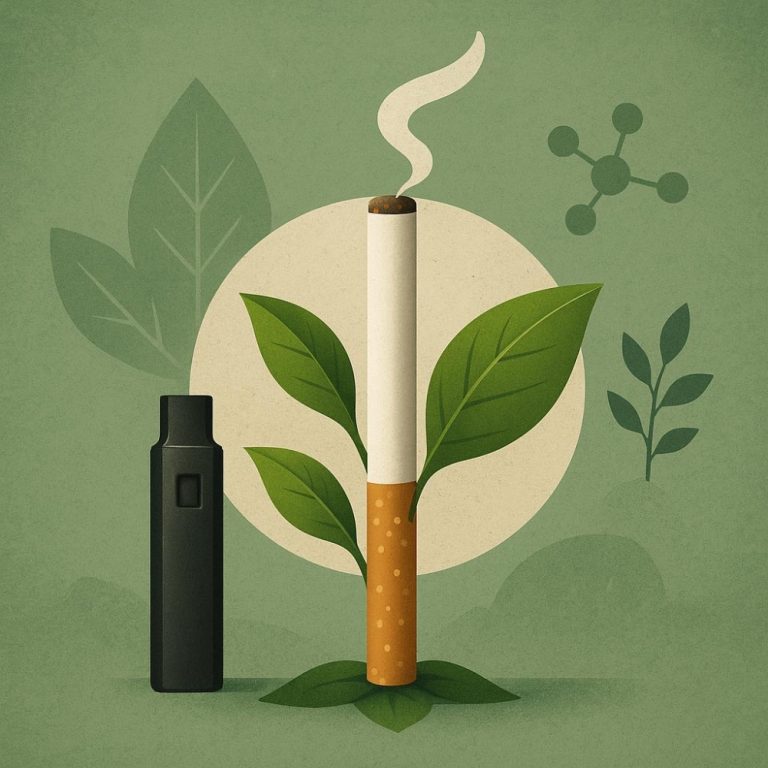

A cigarette can make a neat pitch on social media: it comes from a plant,while a vape sounds like a gadget full of mystery chemicals. That contrast is behind the viral claim that cigarettes are a “plant-based alternative” to vapes. But a product’s origin doesn’t tell you what happens when you inhale it.
Tobacco is a plant. Burning it, though, produces smoke containing thousands of chemicals, many of them toxic. Vapes have their own risksand their contents vary. This isn’t a choice between synthetic danger and wholesome leaves; it’s a comparison that leaves out the most vital question: what are you breathing in?
Table of Contents
- “Plant-Based” Cigarettes? The Viral Claim Goes Up in Smoke
- Why some Gen Z Vapers Say They’re Reconsidering
- What the Numbers Actually Say About a Comeback for Cigarettes
“Plant-Based” Cigarettes? The Viral Claim Goes Up in Smoke
Calling cigarettes “plant-based” is technically true: tobacco leaves come from a plant.But the label says nothing about what happens when those leaves burn and the smoke is inhaled.
According to the U.S. Centers for Disease Control and Prevention, cigarette smoke contains more than 7,000 chemicals, including hundreds that are toxic and about 70 that can cause cancer. A botanical starting point doesn’t undo the effects of combustion.
That matters when comparing cigarettes with vapes. E-cigarette aerosol isn’t harmless water vapor; it can contain nicotine and other potentially harmful substancesand its contents vary by product.The CDC says e-cigarettes may expose users to fewer harmful chemicals than cigarettes,but that doesn’t make vaping safe-or smoking a healthy alternative.
“Plant-based” may work as a catchy caption, but it’s not a meaningful health comparison. What matters is what a person inhales and the risks that come with it.
Why Some Gen Z Vapers Say They’re Reconsidering
Posts about switching from vapes to cigarettes may reflect real frustration, but individual stories don’t show how common that choice is.Some people describe concerns about nicotine dependence or uncertainty about vaping products. Others may be drawn to a cigarette’s supposedly simpler, more “natural” image. None of those impressions makes smoking safer.
Nicotine is addictive, whether it comes from a cigarette or an e-cigarette. the CDC notes that nicotine can harm brain progress, which continues until about age 25. For young people, switching products isn’t the same as stepping away from nicotine.
The “plant-based alternative” pitch doesn’t change that. Cigarettes produce toxic smoke when tobacco burns, while vape aerosol also carries risks. Changing products-or the way they’re marketed-doesn’t make inhaling either one a health strategy.
What the Numbers Actually Say About a Comeback for Cigarettes
U.S. youth data show that vaping declined in 2024, but they don’t show that young people switched to cigarettes. The national Youth Tobacco Survey found that current e-cigarette use among middle and high school students fell from 7.7% in 2023 to 5.9% in 2024.
The survey measures reported tobacco use; it doesn’t track what someone does after vaping less. They may have quit, continued vaping occasionally, or used another product. The figures can’t tell us which-and a viral post can make one person’s choice look like a generational trend.
There’s an age caveat, too: the survey covers U.S. middle and high school students, not all of Gen Z, including adults. The numbers show a decline in youth vaping, not a cigarette comeback. Whatever the social media pitch, “plant-based” doesn’t change the risks of smoking.


