
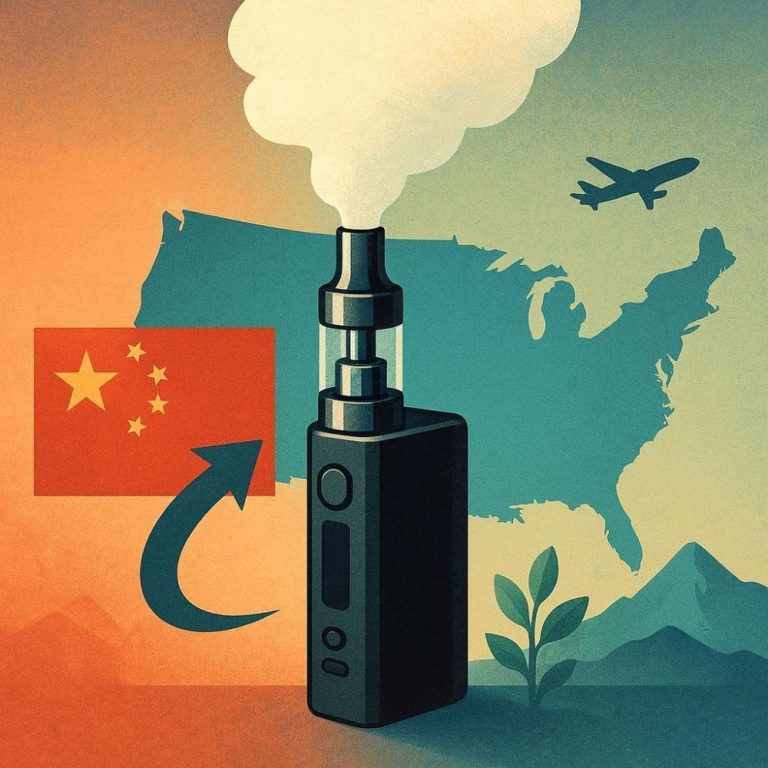

Some Chinese vape brands are moving parts of their assembly to the united States as federal restrictions put pressure on imports of unauthorized products.The shift could bring some production closer to U.S.customers, but a new assembly address does not, by itself, make a vape legal to sell.Regulators may still examine the product,its marketing and whether it has the required authorization.
That leaves an critically important distinction between changing a supply chain and sidestepping the rules. U.S. assembly may alter where certain work happens, but whether it changes a product’s legal status depends on what is made, where it is made and which rules apply.
Table of Contents
- Why Vape Assembly Is Moving to the U.S.
- What U.S. Assembly Means Under Federal Rules
- What Regulators May Do Next
Why Vape Assembly Is Moving to the U.S.
For Chinese vape brands facing tighter scrutiny of imported products, moving some assembly to the united States may seem like a practical response. Components can be shipped in and more of the work completed domestically, closer to retailers. But “assembled in the USA” describes a production step, not an exemption from federal rules.
A vape can involve several stages of production, from making its battery and electronics to filling a pod with e-liquid and packaging the finished device.Moving one stage to the United States does not necessarily move the rest of the supply chainor settle where customs would consider the product to have been made.
That origin question is governed by customs rules, not by marketing language.U.S. Customs and Border Protection says country-of-origin decisions can depend on whether processing amounts to a “ample transformation”. The answer depends on the specific product and the work performed, not just the address printed on its packaging.
There is also a separate hurdle at the Food and Drug Administration. The FDA says new tobacco products generally need authorization before they can be legally marketed in the United States. Its marketing orders apply to products, not simply to the facilities where they are assembled.
so U.S. assembly may change where some work takes place without changing whether a particular vape is authorized for sale. The details matter: which production steps moved, which components are imported and whether the finished product has the required FDA authorization.
What U.S. Assembly Means Under Federal Rules
There are two separate questions behind a “Made in America” claim: where customs considers a product to originateand whether federal regulators allow it to be sold. The tests are not interchangeable. Meeting one does not automatically satisfy the other.
For customs purposes, U.S.Customs and Border Protection may consider whether domestic processing substantially transformed an imported item. Assembly in a U.S. facility could be relevant, but the result depends on the product and the work involved. A label alone does not determine the product’s origin.
The Federal Trade Commission applies a different standard to unqualified “Made in USA” advertising claims. In general,a product must be “all or virtually all” made in the United States to use such a claim. That standard concerns what businesses tell consumers; it does not establish FDA authorization or decide customs origin.
FDA authorization is product-specific. A new tobacco product generally needs a marketing granted order before it can be legally marketedand a pending application is not permission to sell. Moving assembly does not provide that authorization.
Import rules create another checkpoint. The FDA can refuse admission to products that appear to violate the federal Food, Drugand Cosmetic Act. Changing the place of assembly therefore does not guarantee that components or finished devices will be admitted.
In short, U.S. assembly can change a product’s manufacturing story, but it does not automatically change its regulatory status. What is made domestically,what is imported,how the product is labeled and whether it has the required authorization all matter.
what Regulators May Do Next
Whether U.S. vape assembly changes a product’s legal position will depend on how federal agencies apply existing rules.The FDA can take action against products it considers unauthorized, while Customs and Border Protection makes origin decisions based on the facts of each case.
The FDA’s enforcement options include warning letters and other actions against firms that violate federal tobacco-product requirements. Its tobacco compliance and enforcement resources make clear that moving assembly does not, on its own, grant permission to market a product.
Congress could change the rules or clarify how they apply to products assembled domestically from imported parts. For now, brands must contend with separate questions about FDA authorization, customs origin and the accuracy of any “Made in USA” claim.
Manufacturers considering a U.S. assembly line should keep clear records of where each production step takes place and seek product-specific regulatory and customs advice before making claims or shipping goods. A new location may reshape the supply chain, but it is no substitute for federal clearance.


