
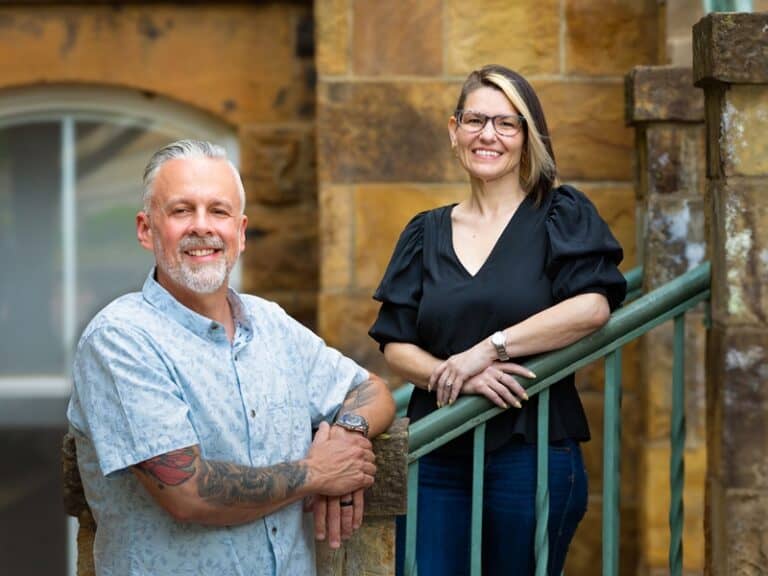

Photo by Russell Cothren
Sociologist Shaun Thomas and social work researcher Johanna Thomas will lead an anti-vaping program in Central Arkansas.
The Growing Concern of Vaping Among Youth in Arkansas
Recent studies reveal alarming statistics about vaping among high school seniors in Arkansas. As reported by the Arkansas Center for Health Improvement, 44% of seniors have tried vaping. This startling figure reflects a troubling trend that mirrors a national epidemic. According to Shaun Thomas, a professor in the Department of Sociology and Criminology, “the numbers in Arkansas mirror what we’re seeing nationally.”
A Proactive Approach to Addressing Vaping
In response to this widespread issue, Shaun Thomas, alongside Johanna Thomas from the School of Social Work, is spearheading an initiative aimed at curbing youth vaping. This program targets pre-teens and teenagers across Central Arkansas, and it is set to make a significant impact.
Partnering with Arisa Health, the researchers will implement the CATCH My Breath program, which has a proven track record in schools nationwide for reducing vaping and other forms of nicotine use. With a generous two-year grant of $405,702 from the office of Arkansas Attorney General Tim Griffin, this project is poised to reach approximately 200 juveniles in nine counties.
Understanding the Risks of Vaping
One of the misconceptions many young people hold is that vaping is a safer alternative to smoking. However, this assumption can be dangerous. The dangers associated with nicotine are widely acknowledged, yet many are unaware that vaping liquids often contain unregulated, harmful chemicals.
As Johanna Thomas highlighted, “We’re seeing kids who are developing lung disease and respiratory disease. With smoking, that takes a while. Kids are dying.” This underscores the urgent need for educational programs like CATCH, which emphasize the health risks associated with vaping.
The Shift in Perception
Cigarette use among youths has seen a decline, largely due to the social stigma now associated with smoking. Unfortunately, vaping lacks the same social pressure, making it more appealing to young people. The CATCH program is crucial in changing perceptions about vaping and exposing the realities of its health risks.
Components of the CATCH Program
The CATCH program is designed to educate pre-teens and teenagers on the dangers of vaping along with other nicotine products. Here’s what the program includes:
- Health Education: Informing youths about the immediate and long-term health effects of vaping.
- Strategies to Avoid Vaping: Teaching young people how to navigate social pressures and make informed choices.
- Understanding Marketing Tactics: Helping youths decode the strategies that marketers use to promote smokeless cigarettes.
Shaun Thomas passionately states, “It’s not always just about changing behaviors after they have already started. If we can get to them before they pick up vaping for the first time, that’s even better.” This proactive approach is essential in preventing the initiation of vaping among youth.
The Role of Community and Education
This initiative reflects a larger commitment from the University of Arkansas and local health authorities to foster a healthier community. The university’s role as Arkansas’ flagship institution underscores its dedication to creating pathways for education and the promotion of healthy lifestyle choices.
Looking Forward
As Arkansas battles the rising tide of vaping among its youth, initiatives such as the CATCH My Breath program are crucial in reversing this trend. With education at the forefront, it is hoped that fewer young people will view vaping as a harmless activity. The collaboration between academia, health organizations, and state authorities forms a powerful front against this growing epidemic.
About the University of Arkansas: Established in 1871, the University of Arkansas provides an internationally competitive education across over 200 academic programs. It contributes over $3 billion to the Arkansas economy through various means, including research and job development. The university is classified by the Carnegie Foundation as among the few colleges and universities in the U.S. possessing the highest level of research activity, solidifying its reputation as one of the premier public institutions in the nation.


0 Comments