
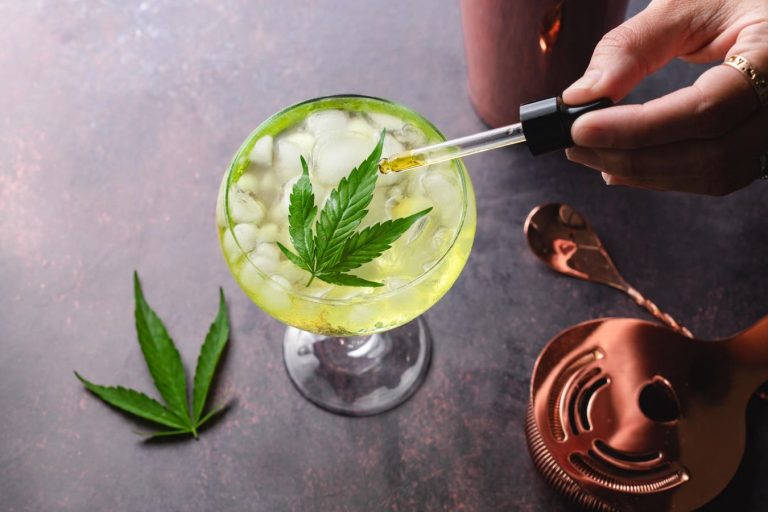

The Promise of CBD in Combating Alcohol Use Disorder
Recent scientific findings indicate that cannabidiol (CBD), a non-intoxicating compound derived from cannabis, may offer new therapeutic avenues for individuals grappling with alcohol use disorder (AUD). A groundbreaking study published in the Molecular Psychiatry journal showcases the potential of a single dose of CBD to not only curb alcohol cravings but also dampen activity in the brain’s reward center, aligning with earlier preclinical research and providing the first clinical evidence for its effectiveness in this context.
Understanding Alcohol Use Disorder (AUD)
AUD is a chronic condition marked by an individual’s inability to control their alcohol consumption despite experiencing negative repercussions. Currently, various treatment approaches are available, but many fail to prevent relapses effectively. The study in question aims to explore whether CBD might serve as a viable adjunct to existing therapies.
The Research Study: KEY FINDINGS
Conducted by researchers at the Department of Addictive Behavior and Addiction Medicine at the University of Heidelberg, the study involved carefully selected participants who were aged between 18 and 60, all diagnosed with mild to severe AUD.
Key points of the research are:
- The study enrolled 28 participants, divided into two groups: one received a single oral dose of 800 mg of CBD, while the other group was administered a placebo.
- Participants were subjected to various tasks, including exposure to stress and alcohol-related cues, and their cravings were monitored through questionnaires and brain activity measurements using magnetic resonance imaging (MRI).
Effects of CBD on Alcohol Cravings
The dosage of 800 mg of CBD was selected based on prior studies indicating that higher doses were more effective in diminishing alcohol cravings compared to lower doses. Participants taking CBD reported significantly lower cravings during both stress and cue exposure sessions when compared to those receiving a placebo.
Specifically, researchers noted:
- Individuals who received CBD demonstrated reduced activation in the nucleus accumbens (NAc), a brain region pivotal in reward processing and addiction.
- Lower NAc activity is correlated with diminished cravings and a lesser likelihood of relapse, making it a fundamental target in developing AUD treatments.
- Testing showed that higher CBD blood levels were linked to both reduced cravings and decreased NAc activation, indicating a notable dose-dependent relationship.
Clinical Implications and Future Directions
While the results of this study provide promising insights into the potential efficacy of CBD for AUD, researchers have also pointed out inherent limitations. Notably, the study’s focus on a single dose leaves open questions regarding the long-term implications of CBD use, particularly in more extensive and varied populations.
Limitations Identified
Researchers outlined several critical factors that may influence the generalizability of the findings:
- The relatively small sample size and the homogeneous nature of the participant pool, which predominantly included individuals not actively seeking treatment for AUD.
- A lack of knowledge regarding the robustness of CBD’s effects over time and the need for further, larger confirmatory trials to support these initial findings.
Concluding Thoughts
This pioneering research lays the groundwork for further exploration into how CBD could mitigate cravings and modify brain activity associated with addiction. As more comprehensive studies emerge, they may offer critical insights into developing effective, evidence-based treatments for AUD, leveraging the therapeutic potential of CBD.


0 Comments