
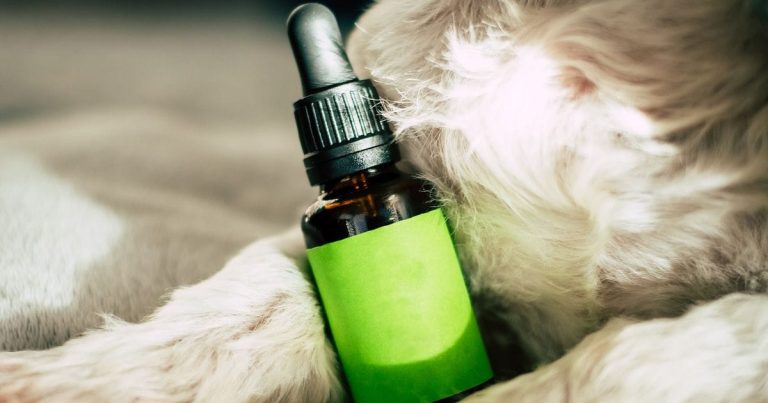

The Potential Role of Cannabidiol in Treating THC Intoxication in Dogs
The usage of cannabis for medicinal and recreational purposes has increased significantly in North America, resulting in unintended consequences for our furry friends. An alarming phenomenon known as canine tetrahydrocannabinol (THC) toxicosis has emerged, raising concerns among pet owners and veterinarians alike. As more cannabis edibles find their way into homes, dogs, driven by curiosity or scent, often fall victim to these products.
Understanding Canine THC Toxicosis
Canine THC toxicosis refers to the toxic effects caused by the ingestion of THC, the psychoactive compound found in cannabis. Symptoms can vary significantly based on the amount ingested and the individual dog’s reaction to THC. Generally, mild cases might present with:
- Lethargy
- Anxiety
These milder symptoms may self-resolve without significant intervention. However, as the severity of the condition escalates, the symptoms can become alarming. In severe cases, dogs may experience:
- Urinary incontinence
- Ataxia (loss of muscle control)
- Bradycardia (slow heart rate)
- In some extreme instances, coma and even death
The treatment for THC intoxication typically involves supportive care, which often comes with substantial veterinary costs. This reality has prompted the search for effective treatments that could alleviate the symptoms and aid recovery.
Exploring the Use of Cannabidiol (CBD)
Recent studies have surfaced, focusing on the potential of cannabidiol (CBD) as a treatment for dogs suffering from THC toxicosis. A notable report detailed findings from a small group of dogs treated with CBD-infused transmucosal dissolving sheets in two different veterinary practices.
This case study examined six dogs, five of whom were treated exclusively with transmucosal CBD administered at a dosage of 0.4-2.6 mg/kg. One dog required additional injectable anti-emetic therapy due to nausea.
Results of CBD Treatment
The outcomes were promising: Lethargy and ataxia markedly improved, with all other clinical signs resolving within 45 minutes of treatment in five of the six cases. Follow-up care was unnecessary for the majority, apart from one case that needed treatment for unrelated gastrointestinal distress.
The abstract published in Frontiers in Veterinary Science highlighted that:
“The use of transmucosal CBD-infused dissolving sheets resulted in expedient resolution of clinical signs in a minimally invasive manner that is accessible to both clients and veterinary practitioners.”
Important Considerations
As encouraging as these results appear, it is essential to approach the findings with caution. Here are several critical aspects to keep in mind:
- Early Findings Only: This report is based on preliminary findings, with further research and the publication of a comprehensive article to follow.
- Not a DIY Solution: The results do not suggest that pet owners should autonomously administer CBD to their dogs. In cases of suspected THC poisoning, seeking professional veterinary assistance is paramount.
- Prevention is Key: An ounce of prevention is worth a pound of cure. Pet owners should be vigilant and prevent access to THC products to mitigate risks.
While anecdotal evidence regarding the use of CBD in dogs for various conditions is positive, especially regarding anxiety relief and anti-inflammatory benefits, the need for further research remains critical. The importance of a robust veterinary perspective cannot be overstated.
Conclusions
The rise in THC toxicosis in dogs necessitates a comprehensive awareness of the symptoms and potential treatments. The early findings regarding CBD’s efficiency are promising but underscore the need for cautious optimism and further investigation. Until more definitive studies are published, pet owners should prioritize preventative measures and always consult with a veterinarian in case of emergencies.


0 Comments