

The Future of Cannabis Legislation Post-2024 Election: Insights from Industry Leaders
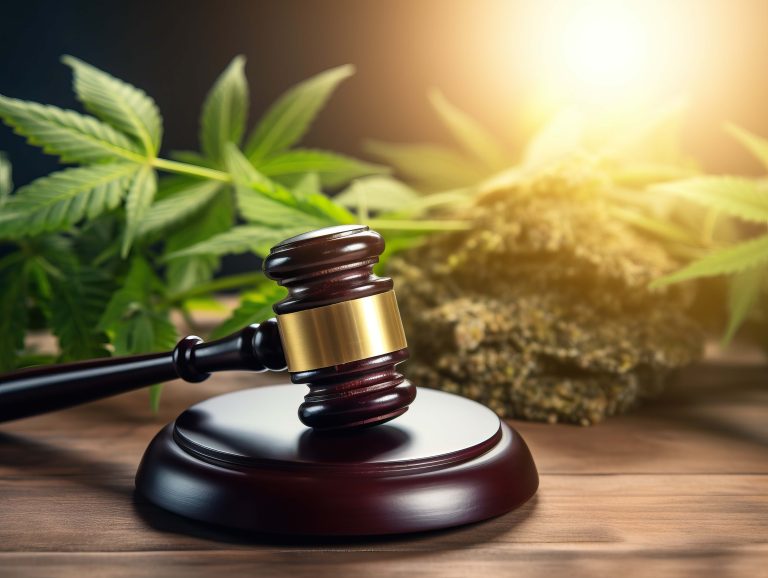
As the dust settles from the 2024 presidential election, the uncertain terrain of cannabis legalization continues to evolve. This article delves into a roundtable discussion featuring four distinguished experts in the cannabis field: Kim Anzarut, Susan Audino, Zacariah Hildenbrand, and David Vaillencourt. Together, they explore the political ramifications of the election on cannabis policies, the necessity for testing standardization, and lessons learned from recent state-level legalization efforts.
Understanding the Current Political Landscape
The announcement of cannabis strategies post-election has sparked discussions about the potential for reform. In October 2024, Vice President Kamala Harris unveiled her plan addressing cannabis decriminalization and social justice, igniting varied perspectives on its effectiveness.
Evaluating Harris’ Plan for Cannabis
Kim Anzarut, CEO of Allay Consulting: “Harris’s commitment to expunging records for non-violent cannabis offenses marks a significant shift towards repairing the damages caused by prohibition. However, to strengthen law and policy, there should be a focus on comprehensive federal regulation that incorporates banking reform and standardized testing. Such unification is crucial for alleviating inconsistencies and fostering national industry growth.”
Susan Audino, PhD: “Harris’s approach reflects an openness to dialogue and consideration for research. Nevertheless, more attention needs to be given to understanding the long-term effects of cannabis, particularly among younger populations.”
Zacariah Hildenbrand, PhD: “Trust in Harris’s stance is challenging given her prior record on cannabis enforcement in California. While change is possible, skepticism remains regarding her alignment with progressive cannabis reform.”
The Need for Standardized Cannabis Testing
Cannabis testing remains a complex issue without uniform standards. Industry leaders presented their insights on the future of cannabis testing standardization following the elections.
Future Directions for Testing Standardization
Kim Anzarut: “The potential for significant advancement in testing standardization is on the horizon. The increasing number of states legalizing cannabis creates a growing demand for federal regulations. A supportive administration could lead to the establishment of national testing protocols by the FDA, a fundamental step for consumer safety and industry credibility.”
Susan Audino: “Despite the urgency for standardized testing, it should not be enforced uniformly without careful consideration of scientific validity. The industry must also address the manipulation of data to meet market demands, emphasizing the need for genuine self-regulation.”
Zacariah Hildenbrand: “Federal oversight is desirable for standardized testing, but much will depend on the allowance of interstate commerce. For now, testing will mostly remain a localized issue.”
David Vaillencourt: “Optimism exists within the Cannabis Regulators Association (CANNRA), which is already advancing collaboration among states. If the coming administration embraces a pro-business stance, we might witness voluntary consensus standards take center stage, making strides towards standardization.”
Learning from State-Level Legalization Efforts
As more states embark on the journey to cannabis legalization, they can gain valuable lessons from others’ experiences — both good and bad.
Key Takeaways for Future Legalization Efforts
Kim Anzarut: “Lawmakers should draw from the outcomes of different states, ensuring regulations are clearly defined and focused on equity. Phased rollouts combined with effective public education can garner community support and build understanding around the benefits of legalization.”
Susan Audino: “Imitating the exact frameworks of other states can lead to the replication of existing challenges. Each state’s unique conditions and needs must be assessed to create sound regulatory policies.”
Zacariah Hildenbrand: “Many states have learned the hard way that overly liberal licensing can lead to market saturation. A more measured and strategic approach to licensing is vital for sustainability in the cannabis industry.”
David Vaillencourt: “The National Conference of State Legislatures (NCSL) is a valuable resource for lawmakers to refine their approach. By fostering collaboration and leaning on organizations like CANNRA, states can create resilient frameworks supported by sound scientific principles.”
Conclusion
The discussion among these industry leaders reveals a shared anticipation for a robust, regulated cannabis industry, emphasizing the necessity for federal policy reform, standardization in testing, and careful consideration of past legalization attempts. The path forward may be complex, yet optimism prevails as stakeholders aim to cultivate a more equitable and responsible cannabis landscape.


0 Comments