
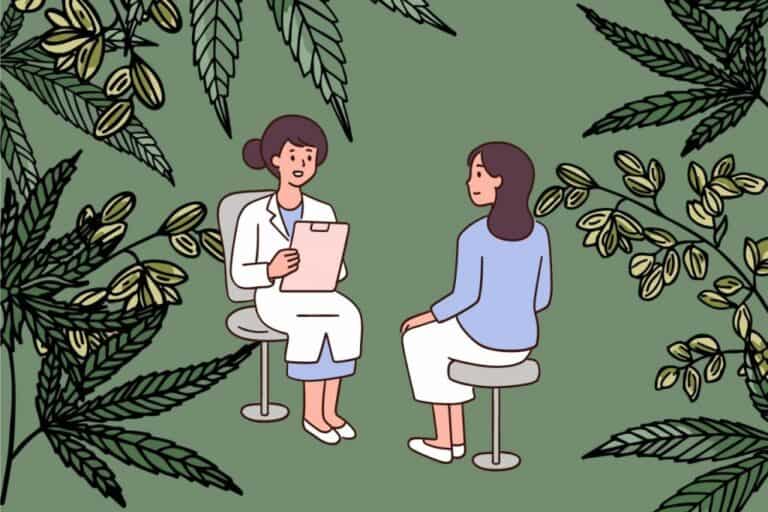

Bridging The Gap Between Medical Cannabis And Medical Doctors
The acceptance and approval of cannabis in the United States are on the rise, with surveys indicating that an increasing number of Americans have tried the plant in some form. However, despite the growing popularity and the perceived safety of cannabis products, there continues to be a gap between the medical cannabis community and medical doctors. This gap needs to be bridged in order to ensure that patients have access to the best possible care and that medical professionals are informed about the benefits and risks of cannabis medicine.
One of the reasons for this disconnect is the lack of education and understanding among medical professionals about medical cannabis. Doctors are often trained to rely on science-based research, and historically there hasn’t been much research on cannabis. Medical schools also don’t frequently update their curriculums to keep up with new developments in the field. However, this does not mean that practicing doctors cannot consider and assess new data on medical cannabis.
The comparison between cannabis and tobacco has been a powerful tool in advocating for cannabis legalization. Tobacco use is known to cause significant harm and is responsible for millions of deaths worldwide every year. On the other hand, there has not been a single death attributed solely to cannabis consumption. Cannabis advocates argue that it is absurd for tobacco products, which are proven to be harmful, to be sold alongside everyday products while cannabis remains federally illegal. By comparing cannabis and tobacco, advocates seek to highlight the inconsistencies in drug policies and raise awareness about the potential benefits of medical cannabis.
Education is crucial in bridging the gap between medical cannabis and medical doctors. More research and clinical trials are needed to add medical cannabis to the curriculum of medical schools and to provide doctors with the necessary information and knowledge about this treatment option. The medical community should be able to discuss the potential risks and benefits of cannabis on an individual patient basis, even in situations where there is limited research.
Patients can also play a role in bridging the gap by openly discussing their cannabis consumption with their doctors. This may not be an option for everyone, particularly in states where cannabis is still prohibited or for people of color who face racial inequities in the medical system. However, for those with the privilege to do so, being transparent about cannabis use can provide valuable information for healthcare practitioners.
It should be noted that smoking any substance, including cannabis, poses risks to lung health. While there is ongoing debate about the dangers of cannabis smoke compared to tobacco smoke, it is important to consider alternative consumption methods such as vaporization, edibles, or tinctures. Cannabis medicine has the potential to provide relief to patients, but the focus should be on using safer consumption methods.
In conclusion, bridging the gap between medical cannabis and medical doctors is essential to ensure that patients receive the best possible care and that medical professionals are informed about the potential benefits and risks of cannabis medicine. This can be achieved through education, research, and open communication between patients and doctors. By working together, we can integrate medical cannabis into mainstream healthcare and provide patients with safe and effective treatment options.


0 Comments