

Combating Student Vaping: How Technology is Making a Difference in Schools
As vaping continues to rise among teenagers, schools across the country are feeling the pressure to address this concerning trend. In Goshen, Indiana, local officials have recognized the urgent need to tackle student nicotine and marijuana use, particularly in school environments. With the help of innovative technology, they are stepping up their efforts to keep students safe and healthy.
The Rise of Vaping in Schools
Vaping has become prevalent, with many students using devices to inhale nicotine or marijuana in school bathrooms and hallways. Goshen High School has encountered this issue firsthand, witnessing students vaping in various areas of the school. Recognizing the impact that vaping can have on student health and safety, school administrators are working diligently to curb this trend.
Introducing the HALO Smart Sensor 2C System
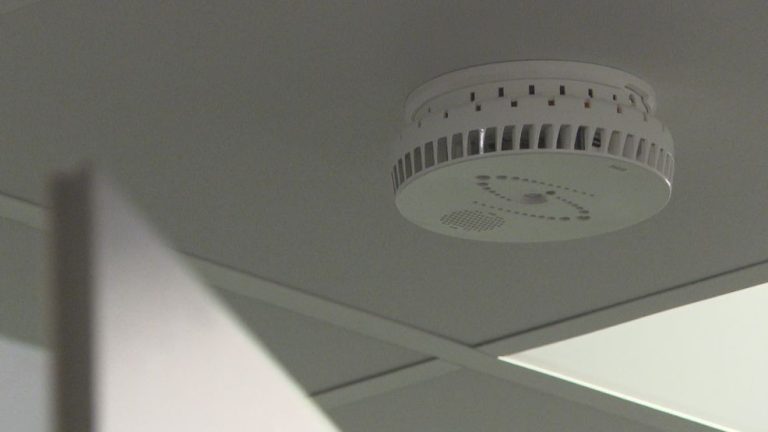
To combat the vaping epidemic, Goshen High School has implemented the HALO Smart Sensor 2C System, a cutting-edge vapor-sensing device designed to identify the presence of harmful substances in the air. The devices are strategically placed in 24 school bathrooms, equipped with multiple sensing capabilities.
Understanding the Functionality of HALO Devices
These smart sensors can detect various chemicals commonly found in vaping products, including THC—an active compound in marijuana. According to Principal Cathy DeMeyer, the system is not only adept at identifying substances but can also monitor noise levels and crowd density within the bathrooms.
When the device senses the presence of these substances, it activates, illuminating either a green or red light as an alert. Additionally, an immediate notification is sent to school officials’ phones, detailing the time and location of the incident along with the type of substance detected.
Positive Impact on School Environment
Since the installation of the HALO Smart Sensor, Goshen High School has reported a noticeable improvement in monitoring vaping incidents. The ability to quickly identify when and where vaping occurs allows administrators to address the issue head-on. Principal DeMeyer emphasizes that this information is instrumental in fostering open discussions with parents and providing support services for students in need.
Addressing Consequences and Support
When a student is caught vaping nicotine, they face immediate consequences in the form of a ticket issued by the Goshen Police Department. For repeat offenders, the penalties intensify, thereby reinforcing the seriousness of the issue. In cases of marijuana use, a school resource officer is called upon to perform a THC test. If the test comes back positive, the student is referred to the Juvenile Detention Center and begins working alongside a probation officer.
Creating a Healthier School Culture
By employing technology like the HALO Smart Sensor and implementing strict enforcement measures, Goshen High School aims to create a healthier environment for students. Through these efforts, administrators hope to not only deter vaping on campus but also instill a sense of responsibility among students regarding their health and well-being.
Community Collaboration
Goshen High School’s initiatives extend beyond school walls to include parents and community members. By engaging with families and offering resources, the school is creating a comprehensive support system aimed at reducing student vaping both in school and at home. This collaborative approach encourages greater accountability and awareness, reinforcing the message that vaping is not an acceptable behavior.
Conclusion
As the vaping epidemic continues to evolve, schools like Goshen High School are leading the way in adopting technology as a tool for prevention and education. With the HALO Smart Sensor 2C System and dedicated administrative efforts, Goshen is not just catching students in the act but also promoting healthier lifestyle choices. These proactive measures serve as a model for other schools grappling with the same issue, paving the way for a future where educational institutions remain safe havens for learning and growth.


0 Comments