

Kentucky Medical Marijuana Lottery License Controversy: The ‘App-Stacking’ Scandal
In a surprising turn of events, Kentucky’s medical marijuana licensing process, intended to provide equal opportunities, has come under scrutiny. Recent revelations confirm that a winning license holder has exploited a loophole to gain an unfair advantage in the Jefferson County dispensary lottery.
Understanding the ‘App-Stacking’ Loophole
The term “app-stacking” has emerged in discussions surrounding the controversial lottery process. This loophole allowed individuals to submit multiple applications under various business names, effectively increasing their odds of being awarded a license. While established regulations aimed to maintain fairness, local business owners were concerned that this practice could undermine the integrity of the lottery system.
“We couldn’t apply for multiple applications under the same name,” recounted Tuesday Coughlin, retail director of Kentucky Alternative Care. “So we had to create businesses—20 different businesses under 20 different names—to get our applications out there.”
Government Response to Allegations
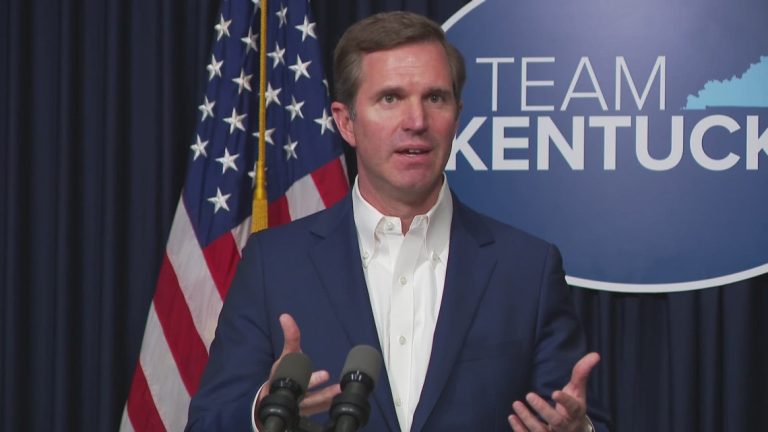
Kentucky Governor Andy Beshear addressed the situation, stating he could not provide specific comments due to the lack of details about the purported fraud. “Everyone had to submit their corporate paperwork with different individuals being the owners,” Beshear explained. He noted that if fraud was confirmed, appropriate action would be taken.
Despite these serious allegations, the governor expressed confidence in the procedures that were followed. “There were rules and regulations, and the lottery was done on TV,” he asserted, expressing his willingness to undergo an audit of the process.
The Impact of ‘App-Stacking’
According to Coughlin, the strategy of amassing multiple applicants paid off when her group successfully secured one of the available licenses. “We got one in the 48 tickets,” she declared, highlighting how this loophole benefited certain players in the industry.
Calls for Transparency and Audits
Dee Dee Taylor, founder of 502Hemp, is among those advocating for an audit of the lottery process. She expressed her belief that groups have been exploiting this loophole for some time. “It’s a shame,” Taylor lamented. “It’s amazing that someone admitted to it. But, it’s good to hear.”
Taylor herself submitted just one business application to the lottery. Although she acknowledged that creating multiple LLCs would have been possible, she also noted the additional financial burden it would incur. “Would it have cost me an extra $5,000 for each one? Yes, it would have,” she explained.
Legislative Calls for Action
In light of these developments, several state legislators have expressed concerns about the transparency of the lottery process, advocating for an audit to ensure fairness. Beshear maintained that the system has been transparent, stating, “There isn’t a more open way to do it.” However, he admitted that the initial set-up could have been improved.
A spokesperson for Kentucky’s Auditor, Allison Ball, acknowledged the ongoing review of the issue but refrained from making further comments due to the nature of the investigation.
Conclusion
The emerging scandal surrounding the Kentucky medical marijuana lottery process underscores the complexities that can arise in regulatory frameworks. As stakeholders await the outcome of audits and investigations, the community remains divided over the fairness of the licensing process. As calls for improvement and transparency continue, how Kentucky navigates this challenge will have significant implications for the future of its medical marijuana industry.


0 Comments