

The Debate on Vaping Regulations in the UK: A Response to BMA’s Report
The UK Vaping Industry Association (UKVIA) has recently responded to the British Medical Association’s (BMA) report highlighting what the BMA describes as a “growing epidemic of vape use in the UK.” This report, titled Taking Our Breath Away: Why We Need Stronger Regulation of Vapes, calls for stringent regulations to curb the rising trend of vaping, especially among young individuals.
Key Recommendations from the BMA Report
The BMA’s recommendations aim to implement a variety of regulations that they believe are essential in tackling youth vaping. Here are the primary strategies proposed:
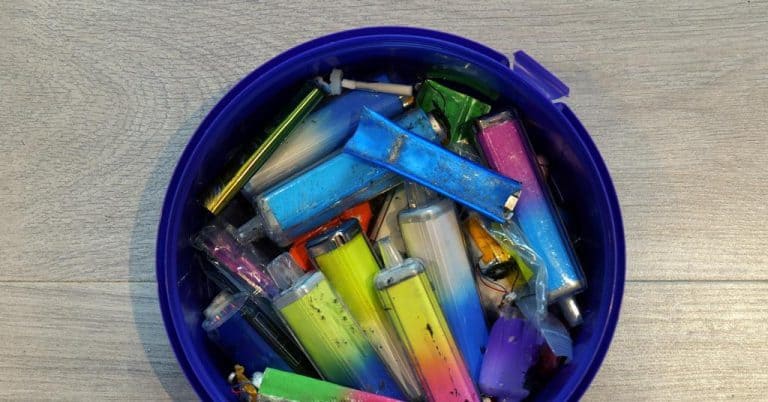
- Banning Disposable Vapes: A complete ban on the commercial sale of all disposable vaping devices.
- Flavor Restrictions: A prohibition on all non-tobacco vape flavors, a move seen as targeting products that attract younger users.
- Packaging Regulations: Imposing restrictions on the use of imagery, colors, and branding for both vape packaging and devices, mirroring existing cigarette regulations.
- Advertising Controls: Stricter limitations on all advertising and marketing strategies, ensuring that vapes are kept out of sight behind retail counters.
- Public Education Campaigns: Government-led initiatives aimed at educating the public on the dangers of vaping, particularly to decrease its appeal among children and teenagers.
UKVIA’s Response to the BMA’s Recommendations
In response to the BMA report, John Dunne, director general of UKVIA, has acknowledged the need for stronger actions to curtail youth vaping and access to illicit products but believes that the BMA’s proposals could inadvertently amplify the black market for vapes. Dunne argues that some measures suggested could hinder the UK’s smoke-free ambitions.
“The BMA undersells the quitting power of vapes,” said Dunne. He stressed that vaping has been an effective tool for many smokers trying to quit, stating that recent data from the public health charity Action on Smoking and Health (ASH) shows more than half of recent ex-smokers in Great Britain utilized vapes during their cessation efforts. Furthermore, ASH reports a decrease in current and ever-vaping among 11 to 17-year-olds since last year, indicating potential effectiveness in existing measures.
The Need for Balanced Regulation
Dunne emphasizes the industry’s longstanding call for a balanced set of flavor names, descriptors, and packaging guidelines. He admits that preventing youth-targeted products from reaching the market is crucial. However, he proposes that the BMA work alongside the industry to support a licensing scheme for sellers of vaping products. This would help ensure that inappropriate vendors (such as sweet shops) are prohibited from selling vape products while increasing penalties for those who violate the law.
“This licensing scheme could generate significant funding to help empower under-resourced Trading Standards,” added Dunne, proposing that it could yield upwards of £50 million annually.
The Voice of Vaping Suppliers
The response from the vaping supply sector has also been notable. Companies like Evapo express concern that the BMA’s recommendations may pose a threat to one of the UK’s vital sectors vital for public health and economy.
Andrej Kuttruf, CEO of Evapo, stated that while it is vital to implement measures to protect the youth and the environment, a balanced approach is crucial. He articulated that banning flavors and disposable vapes might not only lead consumers toward the black market but also benefit criminal factions, depriving the treasury of valuable tax revenue.
“A sensible licensing scheme funded by retailers could maintain enforcement of existing laws while ensuring that adult smokers retain access to safer alternatives,” Kuttruf reiterated.
Conclusion
The discussion around vaping regulations in the UK reveals a complex interplay between public health, regulation, and the vaping industry. With concerns about youth vaping rising, the importance of finding a balance to protect young people while allowing adults access to safer alternatives cannot be overstated. Both stakeholders and health organizations must engage in ongoing dialogue to achieve effective regulation that respects public health objectives without fostering adverse outcomes such as a thriving black market.
Frequently Asked Questions
- What are the main concerns regarding youth vaping in the UK?
- Concerns primarily include the growing popularity of vapes among children and teenagers, their accessibility, and the potential health impacts associated with vaping.
- How does vaping compare to traditional cigarettes in terms of health risks?
- Research suggests that vaping is a less harmful alternative to traditional smoking, though it is not without risks, particularly for younger users who may be more susceptible to nicotine addiction.
- What measures are being proposed to control vaping?
- Proposals include bans on disposable vapes, restrictions on flavors, and packaging regulations, enhanced advertising controls, and public education campaigns about the risks of vaping.
- What is the stance of the vaping industry on these regulations?
- The vaping industry acknowledges the need for regulation but advocates for balanced and sensible approaches that prevent youth access without limiting adults’ access to less harmful products.


0 Comments