

The Alarming Rise of Vaping Among Youth and Its Dangerous Consequences
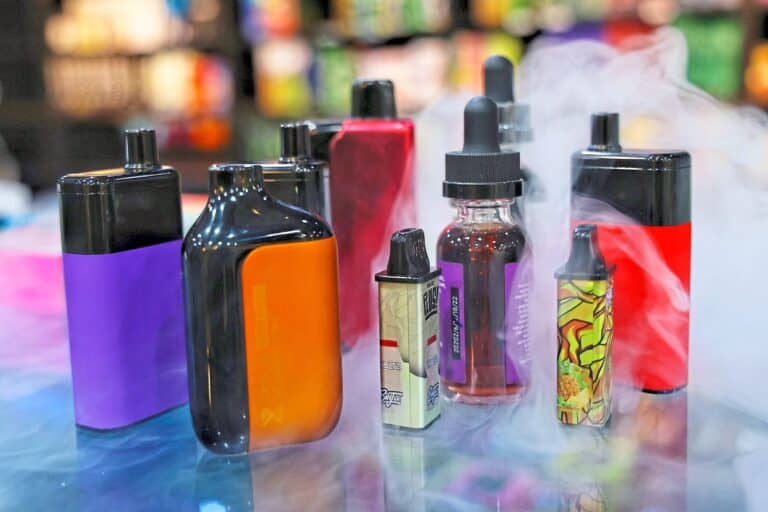
In the wake of the e-cigarette revolution that took hold over a decade ago, considerable debate has emerged regarding the potential risks linked to vaping. While initially seen as a potential aid for tobacco cessation, many now posit that vaping may have inadvertently opened the door for a troubling trend: the rise of substance addiction, especially among teenagers.
The Gateway Drug Dilemma
Experts like Dr. Anne Yee, an associate professor at Monash University Malaysia, have voiced serious concerns about the unregulated nature of vaping products. She points out that many vape liquids are being mixed with hazardous substances, raising the stakes significantly for youths who might unwittingly expose themselves to dangerous chemicals.
Dr. Yee emphasizes that the presence of high levels of nicotine in many vape products not only risks long-term addiction, but it also primes the brain for further substance experimentation. Notably, her findings indicate that early exposure to nicotine is correlated with a heightened risk of trying more addictive substances, such as cannabis or illicit drugs. The sheer availability of unregulated vape products online, especially through social media platforms, is exacerbating this issue for unsuspecting teenagers.
Rising Addiction Rates and Alarmingly Simple Access
Statistics reveal a worrying trend: many teenagers who enter rehabilitation facilities report that vaping played a crucial role in their descent into drug addiction. Zuraidah Ayob, the director of the Narcotic Addiction Rehabilitation Centre in Karangan, echoes this alarm, noting that the number of youths seeking help for substance abuse is on the rise. During a recent visit to a school, she found that around 25% of students admitted to vaping, a statistic she believes is likely conservative.
Teens frequently view vaping as a trendy activity rather than a grave health risk, which only compounds the issue. Vapes often contain nicotine levels that surpass those found in traditional cigarettes, making the potential for addiction alarmingly high.
The Real Stories Behind the Numbers
Personal narratives from youths in rehabilitation programs highlight the devastating impact of vaping and its connection to substance abuse. One 17-year-old recounted how curiosity and peer pressure led him to experiment with “magic mushrooms” through his vape device. The initial highs masked the eventual regrets, which culminated in spending over RM20 daily to sustain his habit.
Another teenager, aged 16, narrated her journey of incorporating vaping into her life to combat insomnia, leading her to become easily hooked on dangerous substances. The accessibility of these “flavors” and drugs—often under RM1 per drop—has allowed her to spiral into addiction without her parents or educators realizing the extent of her situation.
Interviews with a 17-year-old named Adam reveal the shockingly low barriers to entry for drug use via vaping. Adam described how the cheap cost and easy availability led him down a path of dependence, culminating in a moment of realization when he discovered the drug had not only affected him but also his family. His concern speaks volumes about the risky interplay between vaping and drug abuse in youth culture.
The Call for Action and Awareness
With these alarming narratives and expert evaluations in mind, the call for stringent regulations on vaping is growing louder. Experts stress the importance of early education, awareness campaigns, and community involvement to combat the rising trend of vaping among youth. There is a pressing need for parents, educators, and health professionals to work together to fortify the information landscape surrounding vaping and its associated risks.
As the evidence mounts, the conversation around vaping morphs from a simple health issue into a complex interplay of social, psychological, and educational factors that could determine the future of an entire generation.
Community Support and Grassroots Initiatives
Organizations like the Narcotic Addiction Rehabilitation Centre are also calling for contributions to bolster their educational resources. Programs to provide reading materials and volunteer-driven tuition classes could empower at-risk youth to engage in healthier behaviors. Community engagement can play a pivotal role in creating a support system for those struggling with addiction.
Conclusion
As the dialogue around vaping continues to evolve, it’s critical for communities to remain steadfast in their commitment to protecting the health and future of their youth. Increased awareness, regulation, and education are not just beneficial—they are imperative to preventing a generation from slipping into addiction.
Why are vaping products considered dangerous?
What role does community play in curbing youth vaping?
How does vaping relate to addiction?
What measures can be taken to prevent youth from vaping?
The Dangers of Vaping: Real Stories from the Youth
In recent years, vaping has gained tremendous popularity among youth, with many believing it to be a safer alternative to traditional smoking. However, an alarming narrative emerges when one delves into the personal experiences of young individuals who have become entangled in the sticky web of vaping and substance abuse. Here, we share poignant stories from three young men, revealing the grim realities of addiction and the impact it has on their futures.
Raghu’s Story: A Journey into Addiction
Age: 17, Location: Penang
Raghu’s venture into the world of vaping began casually, lured by the promise of a high and a mere RM30 for 1ml. Little did he know that indulging in vaping would lead him down a path of addiction for three long years. Despite his mother’s persistent attempts to guide him back, he succumbed to his habit, spending his days in a haze of sleep.
This year, as he braves sitting for his SPM exams at Puspen, he reflects on his life choices. “If I could do things all over again, I would never touch this,” he confesses. Raghu advises others to steer clear of drugs, warning that “even one drop can change your future.” He envisions a future as a policeman or, if that doesn’t pan out, a veterinarian. His message is clear: “Just don’t try.”
Amin’s Struggle: The Battleground of Addiction
Age: 19, Location: Kedah
Amin’s life has been marred by a series of unfortunate events, starting from a young age when his parents divorced. This upheaval led him to seek solace in substances, leading to a destructive habit that began with vaping and eventually spiral into using various drugs. His struggle with addiction impacted every aspect of his life, even causing a significant dropout from school.
Despite these challenges, Amin is determined to change. He aspires to build a life for himself as an electrician. “I want to get a good job and make my mum happy,” he states earnestly. His story underlines the importance of making wise choices, especially in friendship. “Stay far, far away from people who introduce you to bad things,” he cautions, highlighting the difficulty of breaking free from this lifestyle.
Shukri’s Transformation: Accepting the Past
Age: 19, Location: Terengganu
Shukri’s life story is one of turmoil, beginning with his family’s struggles. Faced with the pressures of adolescence, he turned to drugs, ultimately leading to a point where he found himself filled with toxins and regret. As he prepares to sit for his SPM this year, Shukri has come to terms with his addiction, acknowledging the toxic journey he has undergone.
His desire to mend his relationship with his mother is palpable. “I want to hug my mum and apologize to her,” he says, filled with remorse for the pain he has caused. Despite societal labels, Shukri strives to make his mother proud, vowing to move past his addiction and focus on a brighter future. “I must try to move forward,” he asserts, an embodiment of resilience in the face of adversity.
Lessons Learned: A Collective Message
The heart-wrenching stories of Raghu, Amin, and Shukri resonate profoundly, serving as powerful reminders of the dangers that come with vaping and drug use. Each individual reflects on their experiences with regret, wishing they had made different choices. Their narratives promote a shared message of caution and awareness, highlighting the challenges faced by many youths today.
Importantly, their stories remind us that every choice counts, and the delicate balance of life can be easily disrupted by substance abuse. They encourage a proactive approach towards mental health and wellbeing, advocating for support systems and healthier coping mechanisms.


0 Comments