

The Impact of Green Wings Project’s Pause on Vape Recycling Compliance
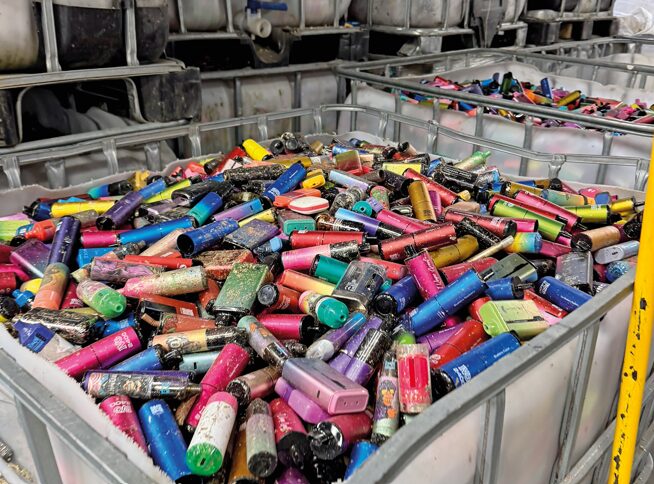
In recent developments, the vaping industry faces significant challenges as thousands of retailers risk violating vape recycling laws due to the Green Wings Project (GWP) halting its waste collection services. This pause follows a government intervention aimed at restructuring GWP’s operations in compliance with environmental regulations. Let’s dive into the implications of this situation and what retailers need to know to stay compliant with vape recycling regulations.
What Led to the Pause?
Last month, GWP communicated to its partnered stores about a temporary halt in issuing return labels for disposable vapes. This announcement is part of a broader restructure guided by the Environmental Agency (EA). GWP stated that this includes renegotiating operational agreements with logistics partners to ensure a more efficient process that aligns with environmental standards. However, retailers have been left in the lurch, uncertain about how to manage their accumulated disposable vapes while compliance with regulations becomes increasingly pressing.
The Role of GWP and Its Services
Since 2023, GWP has supported retailers by providing free disposable vape bins essential for adhering to the Waste Electrical and Electronic Equipment (WEEE) regulations. According to a report from Companies House, GWP has distributed around 19,000 bins to over 6,000 retail locations across the UK. This scheme aimed to facilitate the recycling process for disposed vapes, allowing retailers to provide a service where customers could return used devices safely.
Potential Consequences for Retailers
With GWP’s unexpected service interruption, approximately 3,000 retailers are now at risk of breaching WEEE regulations. The WEEE legislation mandates that businesses selling electronics, including vaping devices that exceed £1,923, must offer a means for consumers to return these products for recycling. Violations can result in substantial fines, which serve as a deterrent to non-compliance.
Warnings Issued by Regulatory Bodies
The Office for Product Safety and Standards has recently sent letters to numerous non-compliant stores, urging them to adhere to the WEEE regulations. Retailers are expressing frustration over GWP’s lack of clarity regarding the disposal of leftover vapes and how to continue compliance amidst these changes.
GWP’s Response
In response to the concerns raised by retailers, GWP clarified that it is not restructuring its charity but rather updating its logistics for collecting and transporting depleted vapes. They have recently relocated their storage operation and worked closely with the EA to ensure compliance. Despite the EA’s positive inspection, GWP has not provided a timeline for when they will resume their services, leaving retailers in a precarious position without a clear course of action.
Legal Risks with Hazardous Waste Regulations
As per recycling experts, the bins distributed by GWP can accommodate about 150 devices, depending on size. However, sending used vapes through DPD—a courier service GWP previously collaborated with—has raised concerns about retailers unknowingly breaching legal obligations surrounding hazardous waste. Retailers must produce a Hazardous Waste Consignment Note during the transport of these materials, detailing the contents, or risk prosecution.
DPD’s Involvement and Statement
DPD confirmed to Better Retailing that it has temporarily paused its partnership with GWP after identifying contract breaches related to the return of used vapes. The courier service emphasized that while GWP has a contract for shipping vapes, it does not cover returns to retail shops. In light of this, GWP is working to refine the waste collection service to ensure compliance moving forward.
Compliance Best Practices for Retailers
As the single-use vape ban approaches, compliance becomes even more crucial for retailers. Scott Butler, executive director of Material Focus, stressed that it’s essential for retailers to collaborate with reputable waste management companies to meet their recycling obligations. Material Focus has provided a briefing paper outlining steps retailers can take to abide by vape and electrical recycling regulations.
Choosing the Right Waste Management Partner
When selecting a recycling partner, it is critical that retailers understand their legal responsibilities regarding waste. It is advisable to request Duty of Care documentation from potential partners to ensure they possess the proper licenses and insurance. This documentation will clarify whether they act as intermediaries or complete recyclers, thus safeguarding the retailer’s legal obligations until waste is processed compliantly.
Conclusion
The current situation with GWP’s restructuring highlights the challenges retailers face in ensuring compliance with vape recycling regulations. As the industry anticipates further legislative changes, staying informed and proactive about waste disposal practices becomes crucial in safeguarding against potential fines and legal issues. Establishing partnerships with reliable waste management services will be the key to achieving compliance and maintaining a sustainable approach in the evolving vaping market.


0 Comments