
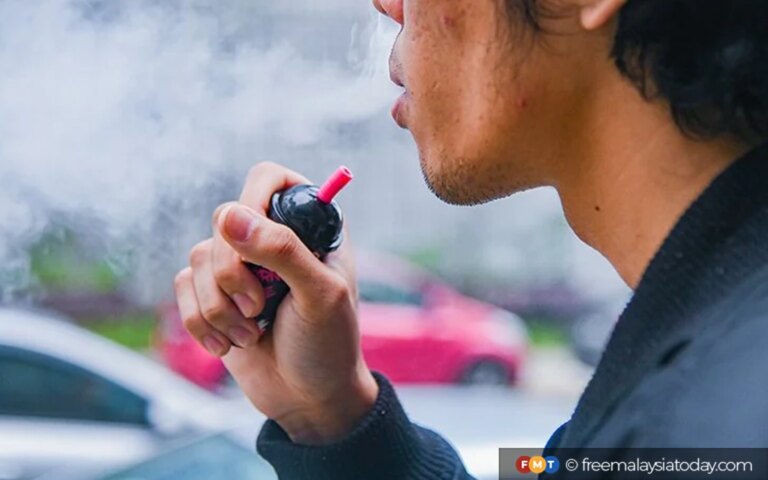

Risks of Vape Ban: Understanding the Impacts on Consumers and the Market
Exploring the Call for Balanced Regulation in Malaysia’s Vaping Industry
Recent discussions around the banning of vape products have ignited debates within Malaysia, drawing attention to the potential risks posed to consumers.
The Malaysian Vape Chamber of Commerce (MVCC) has taken a firm stand against policies that seek to prohibit vape sales. These ban proposals, including the generational endgame (GEG) bill, are viewed by the MVCC as ineffective means that would ultimately push consumers to the black market.
Potential Consequences of a Vape Ban
MVCC’s secretary-general, Ridhwan Rosli, emphasizes that outright prohibitions will not eliminate demand; rather, they are likely to push the market underground. “These measures will only fuel the black market and expose consumers to unregulated and potentially harmful products,” he stated during a recent commentary.
The GEG provision aimed to prohibit the sale and usage of tobacco products for individuals born on or after January 1, 2007, was excluded from the Control of Smoking Products for Public Health Bill 2023. Health Minister Dzulkefly Ahmad later apologized to the Senate for this exclusion, which was deemed unconstitutional by the Attorney-General’s Chambers.
Impact on Legitimate Businesses
Ridhwan highlighted additional concerns regarding the impact of bans on legitimate industry players, bringing to light that such regulations threaten jobs and deprive the government of important tax revenue.
“We must focus on creating regulated and controlled solutions that adequately balance consumer safety, industry sustainability, and economic contribution,” he urged.
Understanding the Bigger Picture
The conversation on vaping regulation is amplified by recent statements from Deputy Inspector-General of Police, Ayob Khan Mydin Pitchay, suggesting more stringent bans on e-cigarettes and vapes. Currently, states such as Kelantan, Johor, and Perlis have implemented sales bans, with Terengganu expected to follow suit.
Contrarily, several other states including Selangor, Penang, and Kedah are still evaluating potential bans, which raises questions about the effectiveness and fairness of such actions.
Consumer Choice Center (CCC) Malaysia associate Tarmizi Anuwar recommends that regulations be reflective of scientific studies indicating that vaping is significantly less harmful than traditional smoking. He insists that policies should encourage access to these safer alternatives.
Lessons From Other Regions
Tarmizi shared insights from South Africa, where a five-month tobacco sales ban in 2020 led to 93% of smokers continuing to obtain cigarettes through informal means. This resulted in a 250% hike in prices, further exacerbating the hidden market and increasing the health risks associated with unregulated products.
He advocated for adherence to the Control of Smoking Products for Public Health Act 2024 (Act 852), which was established by the federal government to regulate, rather than prohibit, vape products.
The Need for Consistent Regulation
Tarmizi further argues that the vaping industry necessitates a transparent and nationally consistent regulatory framework instead of broad-based prohibitions or age-specific bans. “Consumers value their ability to choose safer alternatives,” he remarked, emphasizing the importance of smarter regulations that support informed choices over outright bans.


0 Comments