
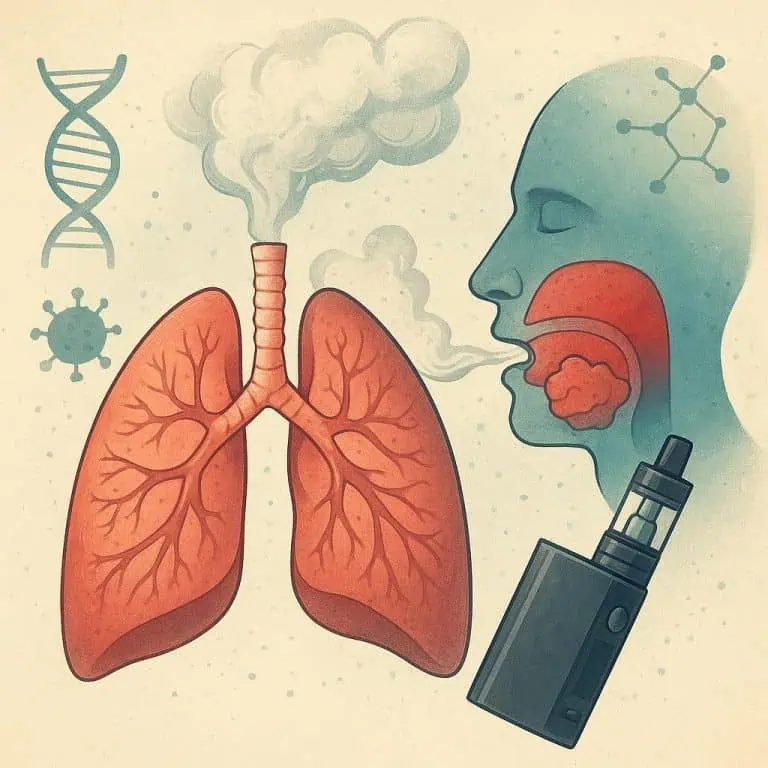

UNSW Review Finds vaping Likely Causes Lung and Oral Cancer – What the Science Actually Says (June 2026)
Vaping was once marketed as a safer choice to smoking, but a new review from the University of New South Wales (UNSW) has reignited the debate. The June 2026 UNSW evidence review concludes that vaping is likely to increase the risk of lung and oral cancer, challenging the idea that e‑cigarettes are harmless “water vapour.”
This article breaks down what the UNSW review actually found,how it fits with other research,and what it means for your health decisions right now.
What Did the UNSW Review Actually Find?
The UNSW review is a comprehensive analysis of existing research on e‑cigarettes, vapingand cancer risk.While the exact wording of the conclusions may vary across reports, the core message is clear:
- Vaping aerosols contain multiple substances known or suspected to cause cancer, including formaldehyde, acetaldehyde, heavy metalsand nitrosamines.
- Laboratory and animal studies show DNA damage and pre‑cancerous changes in lung and oral tissues exposed to e‑cigarette vapour.
- Early human studies link vaping to biological markers of cancer risk, such as oxidative stress, inflammationand cellular damage in the mouth and airways.
- Long‑term human cancer data are still limited (because e‑cigarettes are relatively new), but the biological signals are “highly concerning.”
In plain language: the review doesn’t claim we already have decades of proof like we do for cigarettes, but it strongly suggests that vaping is not benign and is likely carcinogenic to the lungs and oral cavity over time.
How Vaping Works – And Why It Can Harm Lungs and Oral Tissues
To understand why vaping might cause lung cancer or oral cancer, it helps to know what’s in an e‑cigarette and how it works.
What’s in Vape Aerosol?
Most e‑cigarettes heat a liquid (“e‑juice”) that typically contains:
- Propylene glycol and vegetable glycerin (base liquids)
- Nicotine (often in high concentrations)
- Flavouring chemicals (fruit, mint, dessert flavours, etc.)
- Impurities and metals from the device’s coil and cartridge
When heated, these ingredients can form new, possibly toxic chemicals. The UNSW review notes that many of these are similar to known carcinogens in tobacco smoke,even though sometimes at lower levels.
How This Can lead to Cancer
- DNA damage: Certain aldehydes and reactive chemicals in vapour can damage DNA in lung and oral cells.
- Chronic inflammation: Vaping can irritate airways and gum tissues, promoting an habitat where cancer is more likely to develop.
- Cellular changes: Studies show abnormal cell growth, impaired repair mechanismsand changes in the oral microbiome linked to vaping.
The UNSW findings are consistent with this mechanistic picture: repeat exposure over years may turn early cellular damage into actual lung or mouth cancers.
Vaping vs Smoking: Is It Really Safer?
Many smokers turned to e‑cigarettes believing they were a safer smoking alternative. The science is more nuanced.
| Cancer risk (long‑term) | Very high,well‑proven | Likely increased,still emerging |
| Chemicals | >7,000,many carcinogens | Fewer but several carcinogens |
| Short‑term lung effects | Worsens asthma,COPD,heart and lung disease | Irritation,reduced lung function,airway inflammation |
| Use in teens | Declining in many regions | Rapidly increasing,especially flavoured vapes |
The UNSW review does not claim that vaping is more dangerous than smoking. Instead, it stresses that:
- Vaping is almost certainly less harmful than smoking combustible cigarettes in many respects.
- But being “less harmful than smoking” does not mean “safe,” especially for non‑smokers and young people.
- Dual use (vaping and smoking) may compound risks rather than reduce them.
For current smokers,some experts still see a role for tightly regulated e‑cigarettes as a short‑term quitting aid. Though,UNSW findings reinforce that they should not be used as a long‑term habit and should not be started by non‑smokers.
What the Science Says Specifically About Lung and Oral cancer
Lung Cancer and Vaping
Key lines of evidence considered in the UNSW review include:
- Animal studies: Mice exposed to e‑cigarette vapour developed pre‑cancerous lung changes and DNA damage consistent with an elevated cancer risk.
- Human biomarker studies: Vapers show increased oxidative stress and DNA damage markers in the respiratory tract compared to non‑vapers.
- Early clinical data: Vaping has been linked to reduced lung function, airway inflammationand structural changes in the lungs.
Because lung cancer can take 10-30 years to develop,we won’t see the full picture for some time. Still, UNSW’s conclusion is that the biological signals are strong enough to warrant concern and action now.
Oral Cancer and Vaping
The mouth is the first point of contact for vape aerosols,and the UNSW review highlights several worrying trends:
- Oral cell damage: In vitro studies show increased DNA breaks and cell death in gum and cheek cells exposed to e‑liquids and vapour.
- Gum disease and inflammation: Vapers show higher levels of gum inflammation and changes in the oral microbiome, both linked with higher oral cancer risk.
- Pre‑cancerous lesions: Some clinical case reports have described white patches and lesions in heavy vapers similar to early pre‑cancerous changes.
The bottom line: vaping may substantially increase the risk of oral cancer over time, especially with high‑nicotine, frequentor dual use.
who Should Be Most Concerned Right Now?
Based on the UNSW review and broader research, certain groups may face particularly important decisions about vaping and cancer risk.
- Teenagers and young adults: The brain and lungs are still developing. Starting vaping as a teen can lead to nicotine addiction and years of exposure before cancer risk becomes visible.
- Non‑smokers: For people who never smoked, any added cancer risk from vaping is needless and avoidable.
- Dual users (smoke and vape): Using both often means higher total exposure to harmful substances, not less.
- People with existing lung or oral conditions: Asthma, COPD, gum diseaseor previous cancers may all be worsened by vaping.
Practical Tips: Reducing Risk and Quitting Vaping
If the UNSW findings have you rethinking your vaping habit, here are realistic, evidence‑informed steps.
If You’re a Smoker Who Vapes to Cut Down
- set a clear goal to transition away from both smoking and vaping, not just switch permanently to e‑cigarettes.
- Talk to your doctor about approved quitting aids such as nicotine patches, gums, lozengesor prescription medications.
- Use vaping as a short‑term stepping stone, with a defined timeline to taper and stop.
If You’re a non‑Smoker or Ex‑Smoker Who Vapes
- Remind yourself: any cancer risk from vaping is extra and avoidable if you do not smoke.
- Set a quit date and gradually reduce nicotine strength and frequency of vaping in the weeks leading up to it.
- Replace the habit with non‑nicotine routines: sugar‑free gum, deep breathing, short walksor stress‑reduction techniques.
Support and Resources
- Use national quitlines and online programs for structured quitting plans.
- Ask friends and family to support your decision to quit vaping and hold you accountable.
- Keep a log of triggers and find healthier coping strategies (exercise, hobbies, mindfulness).
Key Takeaways from the UNSW Vaping and Cancer Review (June 2026)
| Vaping likely increases lung and oral cancer risk | It is indeed not a harmless habit, especially long‑term |
| Less harmful than smoking ≠ safe | Good reason not to start if you don’t smoke |
| Evidence is still evolving | Early warning signs are strong enough to act now |
| teens and non‑smokers at highest concern | Avoiding nicotine use entirely is the safest choice |
Conclusion: What the Science Actually Says in 2026
the June 2026 UNSW review sends a clear message: vaping is very unlikely to be risk‑free and is highly likely to increase the risk of lung and oral cancers over time. While e‑cigarettes may still play a carefully controlled role in helping committed smokers quit, they are not a harmless lifestyle accessory-and certainly not a safe hobby for teenagers or non‑smokers.
The science is still catching up to the fast‑moving vaping market, but we already know enough to make informed choices. If you currently vape, consider this review a powerful nudge to cut down, seek supportand plan to quit. If you don’t vape, the best way to protect your lungs and oral health remains simple: don’t start.
As more long‑term data emerges over the coming years, guidelines will continue to evolve. For now, the most evidence‑based strategy for reducing cancer risk is the one public health experts have championed for decades: avoid inhaling or consuming tobacco and nicotine products whenever you can.


0 Comments