
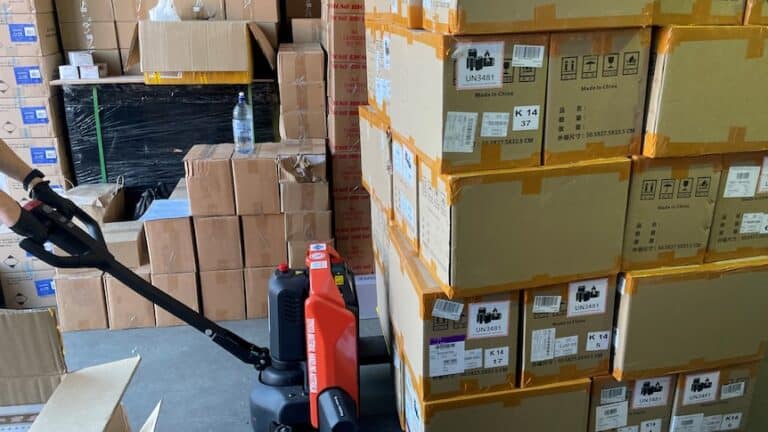

In a shocking turn of events, law enforcement authorities have executed the biggest-ever bust of its kind, seizing over 300,000 vapes from a warehouse in Perth, Australia. This record-breaking haul, valued at approximately $10 million, has brought to light the alarming prevalence of illegal nicotine products in the country.
The operation was carried out by the WA Health Department, who acted on a tip-off to uncover the staggering quantity of contraband. In addition to the vapes, officers also discovered more than 10 tonnes of “nangs” – nitrous oxide-filled whipped cream chargers frequently abused through inhalation. The seizure serves as a reminder of the dangers associated with these substances, as they can cause severe brain and nerve damage, and even result in death.
Health Minister Amber-Jade Sanderson commended the efforts of the officers involved and emphasized that this seizure is part of a broader crackdown on the sale and misuse of nicotine vapes and nitrous oxide. She expressed her concern over the appeal of vapes to young people, highlighting their high addiction potential and the presence of toxic chemicals within their composition.
The incident has also shone a spotlight on the regulatory regime for vapes in Western Australia. Critics have raised questions about the effectiveness of current regulations, citing a lack of prosecutions and fines related to illegal nicotine vape sales. With only one prosecution recorded against a retailer in the past year, it is clear that stronger measures are needed to combat this growing issue.
Under the Medicines and Poisons Act 2014, the maximum penalty for selling nicotine vapes in Western Australia is a $45,000 fine and a three-year prison term for individuals, or a $225,000 fine for companies. However, the influx of illegal vapes into the market suggests that the existing penalties may not be sufficient in deterring offenders.
In the 12 months leading up to June, approximately 43,000 illegal vapes were seized in Western Australia, accompanied by numerous warning notices. Surprisingly, the Health Department had not issued a single fine for illegal vape possession during this period, highlighting a significant gap in enforcement.
The availability of these devices and their disposable cartridges both in physical stores and underground online markets is a cause for concern. Despite the clear legal requirement for a prescription from a pharmacist to purchase and possess nicotine vapes, they continue to be easily obtainable, raising questions about the effectiveness of current distribution controls.
This high-profile seizure serves as a wake-up call for authorities and policymakers to take swift action in addressing the issue of illegal nicotine products. The health and safety of the public, particularly the younger generation, must be prioritized through comprehensive regulations and robust enforcement measures. By cracking down on the illicit sale and use of vapes, we can hope to curb their accessibility and protect individuals from the potential harms associated with these products.


One Comment