
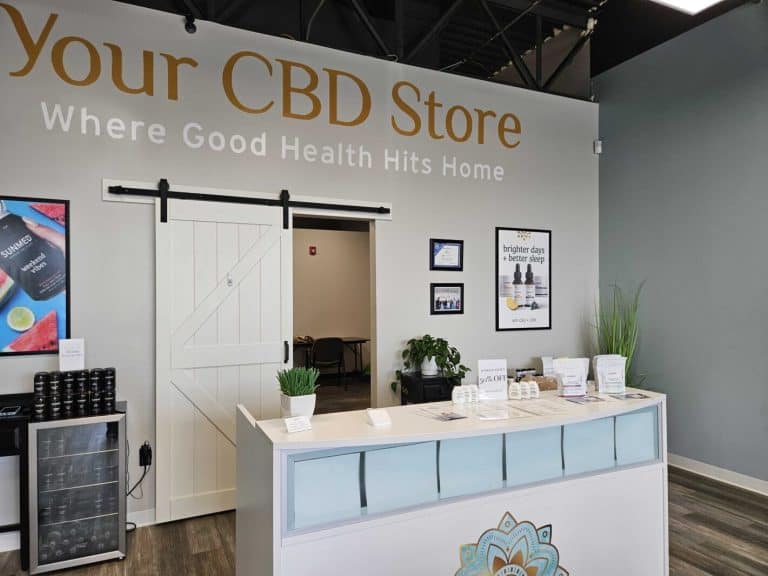

In the ever-evolving landscape of cannabis regulation, North Dakota has implemented new rules which came into effect on July 1. These rules have stirred up reactions among cannabis product retailers who are already facing the complexities of running hemp businesses within the state. The North Dakota Agriculture Department has put forth detailed labeling requirements and stringent restrictions on psychotropic hemp products in an effort to regulate the market more closely.
The Industry’s Response to New Regulations
Cannabis product retailers like Shane Weber, co-owner of Badlands Hemp, express that running a hemp business comes with its unique set of challenges. From difficulties in obtaining banking services to insurance hassles, the roadblocks are significant. Despite the support from the state Agriculture Department, the challenges have pushed some processors to move to states with less rigorous cannabis laws.
Another aspect of the struggle is highlighted by Timothy Frey of Ignite Dispensary in Bismarck, who has dealt with the struggles of being dropped by credit card processors and banks. Frey is determined to adapt to the rules and regulations, showcasing his commitment to running a lawful business and his readiness for recreational marijuana legalization in North Dakota.
New Labeling Rules and Changing Definitions
The regulatory update brings about changes to labeling and definitions of THC and CBD products. The new labels must now be linked to a certified lab’s certificate of analysis, reflecting total cannabinoid levels. The definition shift targets various THC variants, such as THCa, which transforms into Delta-9 THC through natural processes. As these products have seen a dramatic sales increase, North Dakota aims to tighten its restrictions.
Agriculture Commissioner Doug Goehring emphasized the state’s intent to prevent the sale of psychotropic substances and has updated rules for a more responsive approach to changing market conditions.
The Significance of Certificates of Analysis and QR Codes
With the introduction of new labeling requirements, the retailers may be required to include QR codes that link directly to product reports to maintain readability of labels. These labels must now include a comprehensive list of ingredients, allergens, expiration dates, a recommended serving size, THC content, a nutritional panel, consumer warnings, and restrictions on health claims. The intent is to ensure consumer protection and to avoid misleading information.
Continued Challenges and Future Prospects
While the new rules aim to control product standards, the industry faces challenges due to out-of-state shipments through the U.S. Postal service, which bypasses state-level oversight. However, federal efforts are underway to close these loopholes and ensure clarity and compliance with state laws.
FAQs About North Dakota’s New Cannabis Product Regulations
What are the new labeling requirements for cannabis products in North Dakota?
Cannabis products in North Dakota must include detailed labels with the product’s ingredients, allergens, expiration date, serving size, THC content, nutritional information, consumer warnings, child protection messages, and avoid health claims.
How will retailers display all the required information on product packaging?
Due to the amount of required information, retailers might need to use QR codes on their labels that link to a web-based certificate of analysis to ensure the font size remains legible.
Are there restrictions on THC products under the new regulations?
Yes, North Dakota’s revised rules aim to prohibit certain THC variants like THCa, which have psychotropic effects, from being sold in retail stores.
What has been the general response from cannabis product retailers to the new regulations?
While some retailers have adapted and conformed to the new regulatory framework, others have expressed concerns about increased operational challenges and the possibility of driving consumers to black markets.
What might happen if the recreational marijuana law is passed in North Dakota?
Businesses like Badlands Hemp and Ignite Dispensary have expressed intentions to expand and become among the first retail cannabis stores, complying with state regulations and contributing to a lawful marketplace.
For comprehensive coverage on North Dakota’s new cannabis product regulations, stay tuned to our ongoing reporting at [Your Online Vape Magazine].


0 Comments