
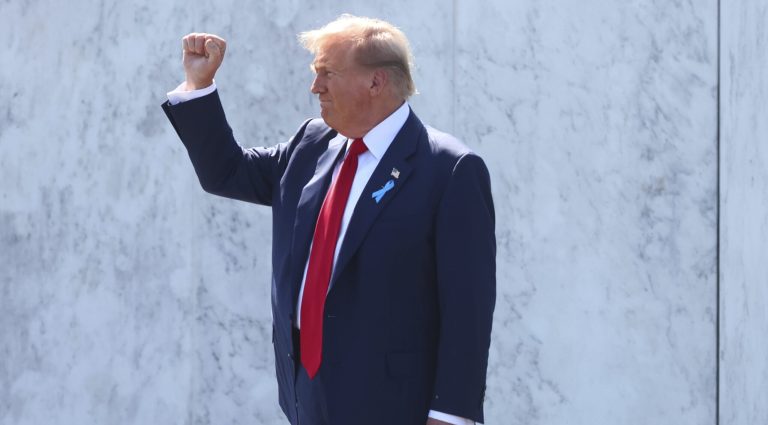

Trump’s Vow to Save Vaping: A Politically Charged Debate
In a recent statement, former President Donald Trump pledged to “save vaping” should he reclaim the presidency in the upcoming elections. This declaration comes in stark contrast to his prior actions as president, particularly the regulatory measures he took against flavored e-cigarettes in 2019.
The Controversial Ban
During his administration, Trump faced backlash for proposing a ban on flavored vape products. Initially announced in September 2019, the initiative aimed to restrict access to vaping products that appealed to young people. As the situation evolved, the administration settled on a more limited approach. By January 2020, the Trump administration enforced a partial ban, prohibiting the sale of certain sweet and fruity flavored e-cigarettes while allowing menthol varieties to remain on the market.
The Trump administration’s limited ban on flavored e-cigarettes spurred significant debate. While it aimed to protect youth from nicotine addiction, critics claimed it could inadvertently push young users toward black-market products.
Impact on Small Businesses and Voter Concerns
Following the partial ban, critics voiced concern over the potential economic repercussions for small vaping businesses. Industry allies warned that these regulations could lead to job losses and significant alienation of voters who viewed vaping as an alternative to traditional smoking.
In response to these concerns, Trump appeared to soften his stance on vaping shortly after the announcement, stating on social media that vaping could be a helpful tool for smokers looking to quit. This shift indicates the delicate balance required in public health policy that factors in both health outcomes and economic impacts.
Vaping and Public Health Messaging
Trump’s recent comments on vaping draw a direct line back to his earlier administration’s mixed messaging regarding e-cigarette use. While he previously cited public health concerns about youth access to vaping, he later emphasized its benefits for adults trying to quit smoking. This dual narrative illustrates the complexities of vaping within the public health discourse.
Conversely, current President Joe Biden and Vice President Kamala Harris are often described as adopting a more stringent approach against vaping. Harris’s history includes advocating for legislation that aimed to keep e-cigarettes away from minors while serving as California’s attorney general.
The Future of Vaping Legislation
As we approach the 2024 election, the future of vaping legislation remains uncertain. Trump’s promise to “save vaping” appeals to a constituency that may feel threatened by existing and potentially forthcoming regulations. The political ramifications of such promises could extend far beyond vaping, affecting broader public health policy and small business dynamics.
Public Response and the Path Forward
Public response to Trump’s vow will likely vary considerably based on political affiliation and personal beliefs about vaping. Supporters may view this pledge as a necessary intervention in a regulatory landscape perceived as overly restrictive, while opponents may argue that it underscores a disregard for public health.
Conclusion
The discussion around vaping continues to evolve, shaped by political narratives, public health campaigns, and consumer interests. As Trump’s campaign for a second term unfolds, the issue of vaping—and how it intersects with youth addiction, public health, and economic implications—will undoubtedly remain a critical topic of discourse.


0 Comments