

Tobacco Control, Vaping Regulations, and the Impact on Public Health
In recent times, discussions surrounding tobacco control and vaping regulations have intensified, especially regarding the safety and legality of nicotine products. This article explores recent developments in these areas, focusing on tobacco control proposals, the conflicting narratives from tobacco companies, and ongoing legal battles influencing vaping products and consumer choices.
Current Proposals by Tobacco Control Advocates
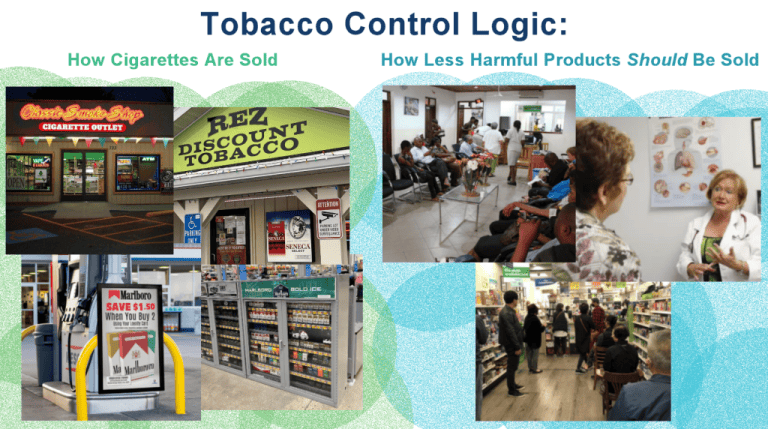
Tobacco control advocates have proposed that safer nicotine products should only be available through prescriptions. This recommendation has sparked considerable debate, with critics arguing that it could create greater barriers for smokers seeking harm reduction alternatives.
Concerns Over Prescription Requirements
Dr. Pamela Ling, director of the Center for Tobacco Control Research and Education at the University of California, San Francisco, has been vocal about this issue. She argues that restricting the availability of nicotine pouches and other products to prescriptions, smoking cessation clinics, and quit lines may be beneficial as a public health strategy. However, the underlying concern is that while these regulations increase barriers for safer products, they do little to limit access to conventional cigarettes, which are known to be far more harmful.
Interestingly, this approach seems detached from reality, given that many adults who smoke have historically started during their youth. The assumption that restricting access to safer alternatives will effectively combat youth smoking appears to be misguided.
The Reality of Safer Nicotine Products
Many adults currently consuming nicotine recognize the substantial health risks associated with smoking and may be seeking alternatives like vaping or nicotine pouches for harm reduction. Proposals to make safer products more difficult to obtain than traditional cigarettes may not only fail to deter youthful experimentation with nicotine but could unintentionally reinforce smoking habits.
Big Tobacco’s Stance on Public Health
Simultaneously, major tobacco companies are attempting to reposition themselves as champions of public health. For instance, Imperial Tobacco Canada, a subsidiary of British American Tobacco, has recently raised concerns regarding illegal smoke-free nicotine products, claiming these are a serious public health risk.
This raises eyebrows, especially considering that the same company continues to profit from the sale of traditional cigarettes. Such positions seem more about protecting market interests than genuinely advocating for public health.
The question remains—are the moves made by these companies sincere attempts to improve public health, or are they merely strategies to maintain market control and profit margins as consumer preferences shift?
Recent Developments in Vaping Regulations and Lawsuits
Legal challenges and regulatory changes are a constant in the vaping landscape, especially with regards to the FDA’s role in regulating vaping products.
The Kentucky PMTA Lawsuit
A recent ruling in Kentucky dismissed a lawsuit challenging the state’s PMTA (Premarket Tobacco Application) registry law, which bans the sale of vaping products unless they have received FDA authorization. This decision highlights the ongoing tension between state regulatory measures and federal oversight.
Fifth Circuit Court of Appeals Ruling
Another significant development involved the Fifth Circuit Court of Appeals ruling in favor of several vaping companies, allowing them to continue selling their products until the FDA conducts new scientific reviews of their applications. This judgment echoes a previous case centered around Triton Distribution and illustrates a shift towards a more lenient approach in the court system regarding vaping products.
The ongoing legal battles may significantly affect the FDA’s regulatory practices in the coming years, especially as companies challenge the agency’s approach to product authorizations.
The Challenges Facing Tobacco Harm Reduction (THR)
Tobacco harm reduction advocates face significant obstacles. There’s a pervasive stigma attached to nicotine as a substance, often conflated with the harmful effects of smoking cigarettes.
Reframing Addiction Perceptions
Despite nicotine not being harmful when separated from smoking, its association with addiction is deeply ingrained in public consciousness. Some critics of harm reduction argue that presenting nicotine in a favorable light undermines the seriousness of addiction concerns.
Barnaby Page, an expert in e-cigarette regulation, asserts that perceptions of nicotine addiction are a considerable hurdle for THR advocates. With many policymakers and public health officials still influenced by decades of drug addiction narratives, present-day communications about nicotine must contend with this legacy.
Conclusion
The landscape surrounding tobacco control, vaping regulations, and public health is evolving rapidly. As new studies emerge and legal challenges unfold, the need for careful consideration and clear communication about nicotine products becomes paramount. Recognizing the genuine benefits of harm reduction and navigating the multifaceted challenges in vaping will require ongoing dialogue, research, and advocacy.
FAQs
1. Why do some health advocates want nicotine products to require prescriptions?
Some health advocates believe that requiring prescriptions for nicotine products could help manage and mitigate addiction issues and control youth access to nicotine products, although many argue this approach could ultimately be counterproductive.
2. What was the outcome of the Kentucky PMTA lawsuit?
A judge dismissed the lawsuit that challenged Kentucky’s PMTA registry law, which bans the sale of vaping products unless they have received prior FDA authorization.
3. How did the Fifth Circuit Court of Appeals impact vaping companies?
The Fifth Circuit Court of Appeals allowed several vaping companies to continue selling their products while the FDA conducts new reviews of their applications, marking a significant legal victory for the vaping industry.
4. What are the challenges faced by tobacco harm reduction advocates?
Tobacco harm reduction advocates grapple with negative perceptions surrounding nicotine addiction, which complicate discussions about its potential for harm reduction and public health benefits.
The Misinterpretation of Vaping Studies: An In-Depth Look
Introduction
The subject of vaping and its health implications has been a contentious issue in recent years, particularly within scientific and public health communities. While some studies claim a direct link between vaping and serious health risks, such as lung cancer and heart attacks, critical examinations often reveal significant gaps in their methodology and data interpretation. In this article, we delve into recent studies that purportedly establish a connection between vaping and severe health outcomes, including lung cancer and myocardial infarction, while highlighting the missing evidence and questionable conclusions drawn by researchers.
The Lung Cancer Controversy
A recent study led by researchers from the Arthur G. James Cancer Hospital and Richard J. Solove Research Institute claimed to demonstrate that vaping in conjunction with smoking increases the risk of lung cancer. Marisa Bittoni, a representative from the institute, stated, “This study presents clear evidence showing that vaping in addition to smoking can increase your risk for lung cancer.”
Methodological Flaws in the Study
- The study did not ascertain whether participants had vaped before their cancer diagnosis.
- There was no data on the duration of vaping prior to the diagnosis.
- The amount, frequency, and type of vaping were not accounted for in the research.
- It failed to compare cancer rates between those who smoked and vaped and those who quit smoking entirely.
- It did not consider the cancer rates of lifelong vapers who never smoked.
- The study did not adjust for heavy smokers (those exceeding one pack a day).
- There was a lack of consistent information on smoking cessation durations for those who reported vaping.
The lack of critical data points raises substantial doubts about the conclusions drawn from the study. For instance, it’s conceivable that individuals who vaped and were diagnosed with lung cancer were heavier smokers and only began using vaping products as a cessation tool right before their diagnosis. This ambiguity severely undermines the ability to affirm vaping’s role as a causative factor in increased lung cancer risk.
Myocardial Infarction Claims Lacking Evidence
In another study that aimed to establish a connection between e-cigarette use and myocardial infarction, researchers neglected to gather vital information. They did not clarify whether participants were vaping prior to their heart attacks. Instead, they concluded that there was a potential association between e-cigarette usage and the occurrence of myocardial infarctions. Their findings echo the classic chicken or the egg dilemma.
The Importance of Temporal Associations
One significant admission from the researchers states:
“In the absence of information about the type or extent of myocardial infarction or the order of presentation between MI/CHD and the use of e-cigarettes, we cannot assess whether the exposure occurred before or after the outcome; therefore, we cannot determine the temporal association between them.”
This astounding admission indicates the inability to draw any concrete conclusions regarding the relationship between vaping and heart health. Past studies linking vaping to heart attacks similarly suffered from this defect, further emphasizing the need for comprehensive research that accurately assesses the sequence of events leading to health conditions.
Real-world Impact: Anecdotes from Vapers
The Personal Testimony of Patricia
Real stories from individuals trying to quit smoking often underscore the critical role that vaping products play. Take Patricia, for example. She contends that without access to vaping options like enjoyable flavors and non-nicotine liquids, she would likely still be a smoker today. This highlights a broader issue: the importance of keeping these products available to adults who rely on them for smoking cessation.
If vaping products are banned, the consequences may be dire for smokers seeking alternatives to quit.
Community Engagement and Action
CASAA in Action
The Consumer Advocates for Smoke-free Alternatives Association (CASAA) is actively involved in advocating for tobacco harm reduction. Upcoming episodes of CASAA Live will discuss ongoing hot topics, including legislation surrounding vaping products and broader tobacco policy debates.
Get Involved
Readers interested in supporting tobacco harm reduction can join their local CASAA state groups via the CASAA State Locator. This is an excellent way to stay informed about local advocacy efforts and calls to action concerning vaping policies. Additionally, you can visit the CASAA store for apparel that showcases your support for vaping rights and harm reduction efforts.
Conclusion
As vaping and its perceived health implications continue to dominate headlines, it is essential to critically analyze the research being presented. Many of the studies claiming a link between vaping and severe health risks like lung cancer or myocardial infarction lack the necessary data to support their findings. Until more rigorous and comprehensive studies are conducted, the validity of current claims should be approached with skepticism.
FAQs
1. What specific flaws were identified in the lung cancer study regarding vaping?
The study lacked data on whether participants had vaped before their diagnosis, the duration and frequency of vaping, and did not adjust for heavy smoking conditions. These gaps prevent establishing a causal link between vaping and increased lung cancer risk.
2. How can vaping products benefit smokers trying to quit?
Vaping products can provide smokers with a less harmful alternative to traditional cigarettes, helping them gradually reduce nicotine dependence and quit smoking altogether without the harsh impacts of combustible tobacco.
3. Why is the CASAA important in the vaping community?
The CASAA advocates for smoke-free alternatives and supports tobacco harm reduction efforts. They provide resources for consumers, share information about legislation, and mobilize community action to protect the rights of vapers and promote public health.
4. What should readers do if they want to learn more about tobacco harm reduction?
Readers can follow organizations like CASAA and join local advocacy groups. Staying informed about current research, sharing personal stories, and participating in community discussions are effective ways to engage in tobacco harm reduction advocacy.


0 Comments