

Texas Bans Intoxicating THC: What You Need to Know
In a significant legislative move, Texas has officially banned all forms of intoxicating THC with the recent passage of Senate Bill 3. This bipartisan bill has been welcomed by Lieutenant Governor Dan Patrick, who has long been vocal about the need for stricter regulations surrounding cannabinoid products, particularly those targeted at children.
The Rise of Intoxicating THC Products
Over recent years, the market for intoxicating THC—particularly those derived from the manipulation of industrial hemp—has seen substantial growth. Many retailers have exploited legal loopholes, selling these products unregulated, which Lt. Gov. Patrick claims poses a serious threat to public safety.
“These stores that often target children with their marketing have popped up across the state, threatening the safety of our communities.” – Lt. Gov. Dan Patrick
Details of Senate Bill 3
The passage of SB 3—a decisive vote standing at 24-7—signals a clear intent from Texas lawmakers to tackle the issue head-on. The legislation prohibits the retail sale of any intoxicating cannabinoid in Texas, specifically excluding CBD (cannabidiol) and CBG (cannabigerol). However, it’s crucial to note that this ban does not interfere with Texas’ Compassionate Use Program (CUP), which allows licensed doctors to prescribe low-THC cannabis to qualifying patients.
Reactions from the Cannabis Community
The reaction to SB 3 has been mixed. Organizations like the Texas Cannabis Policy Center have criticized the legislation, describing it as “Reefer Madness 2025.” They argue that fear-based legislation is unlikely to yield the desired results.
They further contend that an established and regulated market is the best way to protect consumers from unsafe products. As expressed by a representative:
“The only way to protect consumers is to establish a legal, well-regulated market for safe cannabis products.”
The Financial Impact of the Ban
This new law is projected to severely impact Texas’s burgeoning cannabis industry. The market was estimated to be worth around $8 billion in 2022, supporting thousands of jobs. Many experts predict that the ban will lead to substantial loss of tax revenue for the state as well as significant financial strain related to enforcing the ban, which could cost millions.
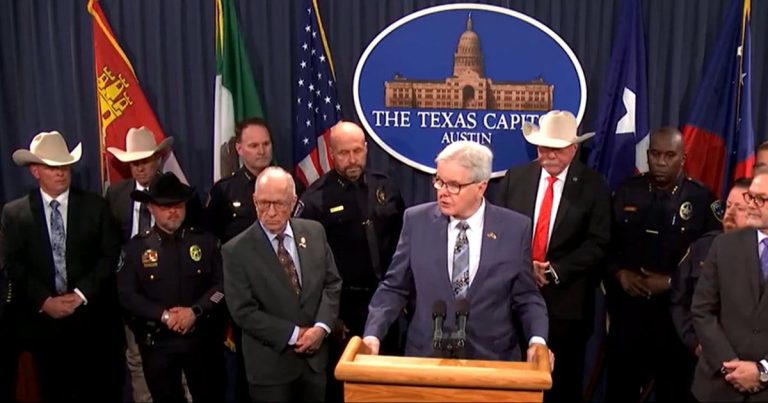
Retailers have also been put on notice. During a press conference addressing the new legislation, Lt. Gov. Patrick issued a stern warning:
“You might want to voluntarily close your doors because the investigations are going to continue, and I’m sure the lawsuits are about to come.”
The Future of Cannabinoid Regulation in Texas
With the approval of Senate Bill 3, Texas has taken a definitive step towards regulating the accessibility of intoxicating THC products. However, as debates continue, the possibility of consumers reverting to illicit markets from neighboring states raises questions about the effectiveness of the ban. Advocates suggest that without addressing underlying consumer demand with appropriate regulations, the issue may merely shift rather than resolve.
Conclusion
As Texas shifts its approach to cannabis regulation, stakeholders from various sectors—including health advocates, retailers, and consumers—will have to navigate the changing landscape. With potential legal battles on the horizon, the implications of Senate Bill 3 will unfold over time, significantly impacting how cannabinoids are viewed and sold in the state.


0 Comments