

The Supreme Court Weighs in on Flavorful E-Cigarettes: A Crossroad for Public Health
In a pivotal case, the Supreme Court is currently deliberating whether the Food and Drug Administration (FDA) unlawfully denied the approval of millions of flavored e-cigarettes, citing concerns over youth nicotine addiction. This deliberation has become essential, especially in light of the dramatic rise in vaping popularity among teenagers, despite a reported decline in usage.
Context of the Case
The case revolves around the claims from tobacco industry representatives, such as Triton Distribution and Vapetasia, who argue that the FDA’s requirements for product approval have been vague and inconsistently applied. During oral arguments, justices expressed significant interest in the industry’s stance that the federal agency has failed to provide adequate notice or clarity regarding the standards necessary for e-cigarette approval.
The Argument for Flavored E-Cigarettes
Attorneys representing vape manufacturers highlighted the need for clarity in FDA regulations. Eric Heyer, an attorney for the manufacturers, stated, “FDA switched its position on what studies were required” to demonstrate the public health benefits of their products when comparing them to the risks posed to youth. This claim underlines a broader issue concerning the delineation of regulatory standards for emerging nicotine delivery products.
Legal Framework and Implications
Federal law mandates that new nicotine products must provide scientific evidence showcasing how they would benefit public health. However, this law does not define what specific evidence is considered necessary or sufficient. The contentious FDA guidelines that govern this requirement are central to the ongoing case, with arguments suggesting that manufacturers were left in a state of confusion about compliance.
Public Health Concerns
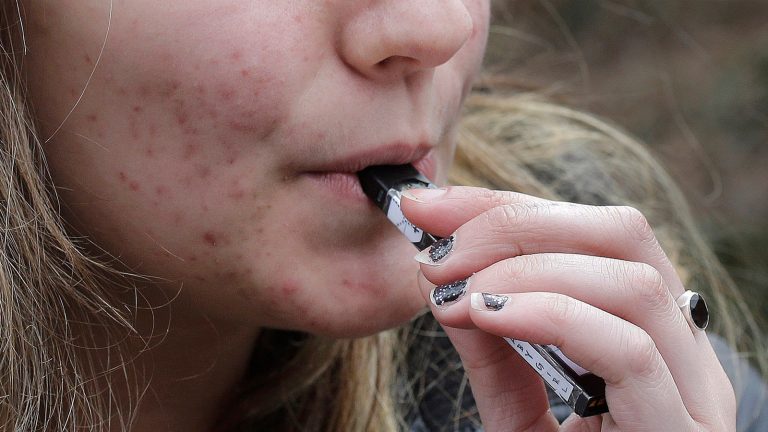
Despite the booming popularity of e-cigarettes—which allow nicotine consumption without many of the harmful effects associated with traditional smoking—there are considerable health risks associated with flavored products. Currently, over 1.6 million children are reported to be using e-cigarettes, with nearly 90% consuming illicit flavored brands. This prevalence of youth vaping underscores the importance of the Supreme Court’s ruling, given that it could significantly shape regulations surrounding flavored nicotine products and their availability to younger demographics.
Judicial Perspectives
During the oral arguments, several justices, particularly those aligned with the liberal camp, expressed skepticism over the industry’s claims. They seemed to concur with the notion that the FDA had not acted improperly by maintaining stringent control over flavored products, highlighting the agency’s responsibility to protect youth from potential addiction. Justice Ketanji Brown Jackson and Justice Sonia Sotomayor articulated confusion over the manufacturer’s arguments, suggesting that there had been clear communication of FDA’s standards throughout the regulatory process.
Potential Outcomes
If the Supreme Court affirms a previous ruling that sided with the companies, it may lead to increased marketing and sales opportunities for flavored nicotine products. Conversely, a ruling favoring the FDA would reinforce the current restrictions and potentially enhance the agency’s power in regulating such products to safeguard public health.
Voices from the Community
The discussion surrounding flavored e-cigarettes also extends into the realm of advocacy and concern for public health. Josie Shapiro, the 2024 national youth ambassador for the Campaign for Tobacco-Free Kids, shared her personal struggle with nicotine addiction, fueled by flavored vaping products. Her testimony adds a crucial narrative to the conversation, emphasizing the need for stricter regulations to protect youth from becoming ensnared in nicotine dependencies.
Conclusion and Future Considerations
As the Supreme Court prepares to render its decision in the case of Food and Drug Administration v. Wages and White Lion Investments, LLC before June 2025, the outcome stands to reshape both the marketing landscape for flavored e-cigarettes and the regulatory framework governing nicotine products in the United States. The implications of this case will reverberate through the tobacco and vaping industries, as well as impact public health strategies aimed at mitigating youth addiction to nicotine.


0 Comments