

Combating Youth Vaping in Minnesota: Insights and Initiatives
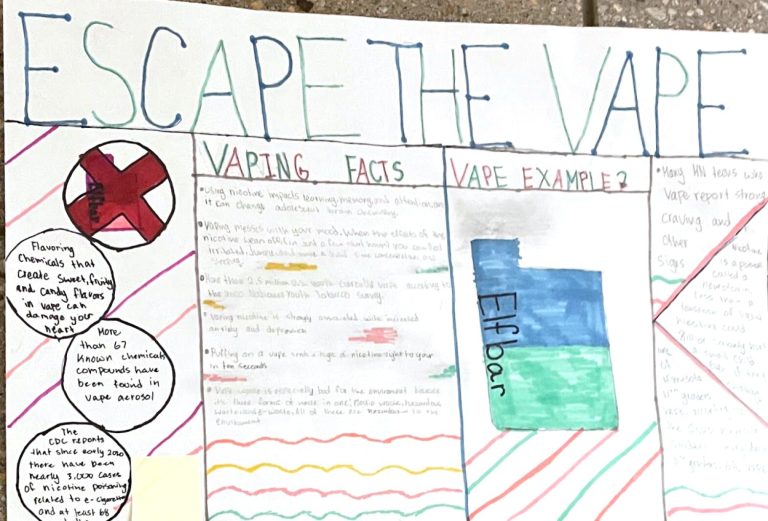
In a determined effort to combat the negative impact of vaping among youth, Minnesota Attorney General Keith Ellison recently reached out to over 5,000 retailers and distributors in the state. His call to action emphasized an urgent refrain: stop distributing, marketing, and selling unauthorized flavored tobacco products, including e-cigarettes. This initiative is anchored in the alarming health implications these products pose to minors, particularly as they pave the way for early nicotine addiction.
The Problem with Youth Vaping
Ellison’s message highlighted a growing public concern about vaping’s accessibility and appeal to young people. The Centers for Disease Control and Prevention (CDC) backs these concerns, advocating for stricter regulatory measures to decrease youth access to vaping devices and flavored products. Studies indicate that increasing prices and limiting available flavors could deter young individuals from purchasing e-cigarettes, fostering a healthier environment.
Understanding the Root Causes
The issue of youth vaping is intricately connected to larger social and emotional challenges faced by adolescents. Recent data collected from eighth graders in southwestern Minnesota spotlight significant incidents of mental and emotional health issues among these students. Among Nobles County eighth graders, 11% of males and 27% of females reported long-term mental health problems, with Jackson County figures remaining similarly high.
These emotional challenges often lead young people to seek coping mechanisms, with some turning to vaping. A recent American Heart Association study highlighted that a considerable fraction of young vapers initially turned to e-cigarettes as a stress-relief tool. The correlation between mental health and vaping urges the need for comprehensive educational strategies that promote social and emotional learning (SEL) within school environments.
Promoting Social and Emotional Learning (SEL)
SEL initiatives can provide critical support in helping youths manage their emotional state and stress. In classrooms, introducing strategies that focus on self-awareness, self-management, and responsible decision-making can help diminish the desire to resort to unhealthy outlets like vaping. New Minnesota legislation requires education on the harmful effects of vaping for students in grades 6-8, reinforcing the importance of early preventative measures.
Effective Prevention Programs
To tackle the vaping epidemic, experts suggest leveraging existing prevention programs such as Quit Partner, My Life, My Quit, and Catch My Breath. These programs function proactively, offering support to young individuals seeking to quit using nicotine products. For example, My Life, My Quit connects teens with resources at a pivotal moment, providing tailored advice and assistance through text messaging.
After reaching out via text, youths receive immediate encouragement as well as resources to outline their quitting process. Additionally, initiatives include offering nicotine replacement therapies and one-on-one coaching, enabling a holistic approach to tackling addiction.
Fostering a Proactive Approach
Both educators and public health officials emphasize the necessity of a proactive strategy regarding youth vaping. By prioritizing prevention, communities can address the challenges head-on and establish supportive mechanisms for adolescents struggling with vaping. Nguyen aptly states, “Prevention is key,” underscoring the importance of equipping students with the tools they need to resist peer pressure and navigate emotions healthily.
Community involvement plays a significant role in tackling this issue as well. Ewald notes that student coalitions can impact not only peers but also local authorities, informing them of the pressing need for better preventive measures. These coalitions can serve as powerful agents for change, actively engaging in discussions and initiatives that target the root causes of youth vaping.
Community and Parental Support
Parents and guardians are encouraged to engage with their local health services for additional resources, reinforcing their commitment to safeguarding the well-being of their children. Staff from Des Moines Valley Health and Human Services and Nobles County Community Services are readily accessible for guidance and support.
Conclusion
The fight against youth vaping in Minnesota is a multi-faceted challenge that requires a collaborative approach, combining education, emotional support, and community engagement. As initiatives evolve alongside regulations and awareness campaigns, the collective efforts aim to ensure healthier futures for the youth, significantly reducing vaping rates and the associated harms in the process.


0 Comments