

Breaking the Cannabis Stigma: Empowering Women Through Education and Community
As cannabis becomes legally accessible in nearly half of the United States, including New Jersey, the lingering stigma surrounding its use remains a significant barrier, particularly for women. Female advocates and business owners are actively working to create supportive environments that dispel myths and empower women to embrace cannabis, whether for recreational or medicinal use. This article explores how women-led dispensaries in New Jersey are combating stigma, offering community engagement, and fostering education for women in a comfortable setting.
Creating a Non-Judgmental Space
In Bloomfield, Danielle Wildstein, owner of Blue Oak Dispensary, highlights the challenges women face when it comes to cannabis use. “The biggest misconception is that for women, it will make them stoned and unable to manage their daily activities,” she states. In her role, Wildstein emphasizes the importance of creating a woman-owned boutique that is not only focused on providing exceptional products but also on delivering targeted education and care to groups such as women and mothers who are often overlooked.
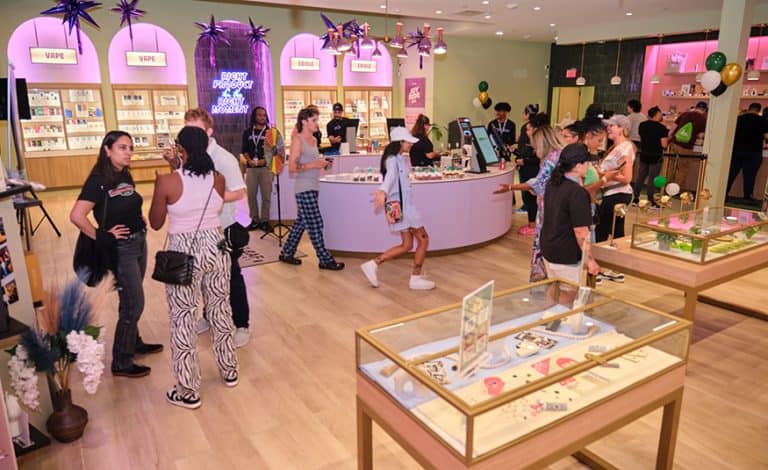
The emphasis at Blue Oak is on fostering an environment that integrates cannabis into the community as a lifestyle choice for health and wellness, rather than merely a recreational substance. The dispensary offers a variety of products, including edibles, flowers, and pre-rolls, but its true focus is on providing women with a welcoming space where they can connect with others who share similar interests.
Workshops and Events That Empower
Dispensaries like Blue Oak and Joyleaf, co-owned by Dharshini Casinathen, are emerging as more than just retail spaces; they are becoming community hubs for education and connection. Joyleaf strives to create shareable, joyful moments reminiscent of traditional gatherings, such as Tupperware parties, where friends learn and bond in a relaxed atmosphere.
Since its opening in December 2023, Joyleaf has organized numerous educational events designed to confront and dispel stereotypes associated with cannabis use among women. Celebrating events such as Mother’s Day with joint-rolling classes and wellness workshops, Joyleaf creates an inviting atmosphere to alleviate any anxiety women may feel when entering a dispensary.
Casinathen shares, “These gatherings allow women to explore our offerings and enjoy a relaxed, educational experience.” They prioritize fostering an environment where the emphasis is not only on purchasing products, but on feeling empowered and educated. This hands-on experience allows participants to engage with cannabis in a deeper, more personal way, cultivating a sense of community along the journey.
Understanding the Medicinal Benefits
The growing interest in cannabis as a medicinal tool reveals a substantial demographic shift. A recent survey conducted by The Harris Poll found that 37% of American women over age 21 consume cannabis for various purposes, including managing anxiety (60%), aiding sleep (58%), and relieving pain (53%). In particular, mothers are increasingly turning to cannabis as an alternative to typical relaxants like alcohol.
Wildstein emphasizes the responsible use of cannabis within her family, stating, “Different categories, dosages and ratios of cannabis throughout the day help me be better in every aspect of my life.” This sentiment of utilizing cannabis to enhance personal well-being is echoed in the approaches of dispensaries focused on women’s needs.
The Journey Toward Acceptance and Empowerment
Despite growing acceptance of cannabis usage, many women still feel compelled to hide their consumption due to societal stigma. The Harris Poll indicates that 65% of women keep their cannabis practices private. Wildstein attributes this secrecy to a lack of social acceptance and fear of judgment in various social contexts.
To combat this, Blue Oak and Joyleaf are committed to creating open and educational environments to demystify cannabis. Offering workshops focused on the plant’s benefits and hands-on learning experiences, these dispensaries play a crucial role in empowering women and fostering community connections.
Conclusion
The movement toward normalization of cannabis use among women, particularly mothers, is gaining momentum across New Jersey. Female-led dispensaries like Blue Oak and Joyleaf are at the forefront of this change, creating supportive spaces where women can learn, connect, and embrace cannabis as part of a healthy lifestyle. With ongoing efforts to debunk myths, provide education, and foster community, the stigma surrounding cannabis use continues to diminish, paving the way for greater acceptance and empowerment among women.
What are the main benefits of cannabis for women?
How do dispensaries create a welcoming environment for female consumers?
Are there any specific events aimed at women in cannabis dispensaries?
What is the societal perception of women using cannabis?
Empowering Women in the Cannabis Industry: A Changing Landscape
As cannabis continues to gain prominence across the United States, a significant demographic remains somewhat skeptical about entering the market: women. Despite the fact that 48 out of 50 states have legalized some form of medicinal cannabis and 25 states have embraced recreational use, women, especially mothers, still face a unique set of barriers. A recent dialogue among industry professionals has shed light on the challenges and opportunities that lie ahead.
Understanding the Hesitancy
One of the pressing issues identified by women within the industry is the stigma surrounding cannabis usage. Many women feel a societal pressure to manage their roles without relying on pharmaceuticals or other forms of medicine. As Casinathen, a certified cannabis educator, explains, “This hesitancy comes back to education and the stigma that’s been associated with cannabis.” This stigma is exacerbated by a historically male-dominated narrative that surrounding cannabis culture, which does not always resonate with female consumers.
Casinathen emphasizes that knowledge is power. “At Joyleaf, we focus on breaking down that barrier by empowering women with knowledge. I remember what it felt like to be uncertain about cannabis, and I know that education is key to overcoming that uncertainty.” Once women are informed, they are more likely to make confident choices, contributing to positive experiences with cannabis.
Market Dynamics: Women as Economic Powerhouses
The cannabis industry would greatly benefit from actively connecting with female consumers. Women currently account for a substantial portion of consumer spending, controlling an estimated $31.8 trillion of global expenditures as of 2024. According to Nielsen, this number will grow, with women expected to hold 75% of discretionary spending in the next five years. From household purchases to recreational activities, women are major decision-makers, including in the realm of cannabis.
Despite this influence, only about 35% of Joyleaf’s customers are female. “Interestingly, on our social media, our audience is evenly split—50% women and 50% men,” Casinathen notes. This indicates a significant engagement from women online, suggesting they are considering cannabis as a viable option yet still feel intimidated to purchase in physical retailers. Events, such as “Date Night in the Dispensary,” aim to create a more welcoming environment for couples, disrupting traditional shopping patterns.
Addressing the Intimidation Factor
Women often express feelings of intimidation when entering dispensaries. Wildstein, the owner and CEO of Blue Oak Dispensary, points out that many women prefer to send someone else to shop for them due to uncertainty about the dispensary experience. “The intimidation factor is real and so is feeling insecure,” she states. To combat this, women-led businesses are striving to cultivate environments that feel approachable for female consumers.
“At Blue Oak, we wanted to create a beautiful space with natural elements that feel comfortable so women can ask questions and learn about different products,” Wildstein explains. Research shows that female-led dispensaries help foster a sense of safety and community, reducing feelings of intimidation.
Educational Initiatives and Unique Programming
Casinathen shares her insights on how educational programming is key to breaking down barriers. Initiatives such as low-dose edibles during yoga classes not only promote well-being but provide a non-judgmental setting for dialogue about cannabis. “Participants feel there’s no judgment,” Wildstein notes. “They’re surrounded by supportive women, and I think that’s what we need to do. We need to support each other regardless of our level of cannabis experience.”
Moreover, by dispelling misconceptions and fostering discussions around responsible and legal consumption, dispensaries like Blue Oak are paving the way for a more educated clientele that feels empowered to explore cannabis benefits.
The Path Forward
As more women engage with the cannabis market—both as consumers and entrepreneurs—the narrative surrounding cannabis is evolving. While progress may seem slow, it is nonetheless significant. “Education is at the heart of this shift,” Casinathen states. “As women learn more about cannabis, they’re realizing how it can fit into their lives in meaningful ways.” Dispensaries that focus on creating safe, welcoming experiences for female consumers are not just meeting a market need; they are cultivating community and camaraderie among women.
In conclusion, the cannabis industry stands at a crossover point where women could lead transformative changes in consumer engagement and perceptions surrounding cannabis. Breaking down barriers through education and supportive environments is vital for fostering a more inclusive future in this burgeoning market.
What role do women play in the cannabis consumer market?
Why do many women feel intimidated when entering dispensaries?
How can educational initiatives help women in the cannabis industry?
What is the significance of women-led cannabis businesses?
The Empowering Movement of Women in the Cannabis Industry
The landscape of the cannabis industry is evolving, and women are taking center stage in this transformation. As societal perceptions shift, a growing number of women are stepping into roles as business owners, advocates, and educators within the cannabis community. One such woman leading the charge is Danielle Wildstein, owner of Blue Oak Dispensary, who emphasizes the necessity of combating stigma and fostering dialogue around cannabis, especially in relation to women’s experiences.
The Stigma Surrounding Cannabis Use
Despite the progression toward legalization and acceptance of cannabis, significant stigma remains, particularly among women. Wildstein recounts her journey since opening Blue Oak, where she encountered skepticism and negative feedback regarding her role in the cannabis industry. “It hasn’t been significant, but I definitely have [received negative feedback]. I know it’s coming from a place of misinformation and fear,” she explained. Her experiences underline the challenges women face in normalizing cannabis use, especially in communities where misconceptions still persist.
“We need to support one another. We need to stop the judgment. And we need to really start to take away and reduce the stigma around cannabis use — especially with women.”
– Danielle Wildstein, Blue Oak Dispensary
Wildstein’s perspective highlights a critical point: there is still a divide between traditional social activities, like enjoying a drink with friends, and the acceptance of cannabis use. “Cannabis isn’t considered to be the same as Happy Hour — we’re not there yet,” she states, pointing to the lingering judgments within women’s circles, particularly among mothers. She advocates for ongoing conversations to chip away at these barriers, emphasizing that change is a gradual, long-term process.
The Need for Education and Community Support
Moreover, creating supportive environments where women can engage with cannabis without fear of judgment is vital. Casinathen, another advocate in the cannabis sector, believes in fostering spaces that encourage women to ask questions. “I believe it’s critical to create spaces where women feel comfortable asking questions and exploring their curiosity about cannabis,” she explained. The challenge lies in providing accessible and relevant education that addresses women’s specific needs and concerns about cannabis.
Both Wildstein and Casinathen agree that educational efforts must extend beyond the cannabis industry into mainstream communities where women can build trust. By integrating cannabis education into places familiar to women, such as yoga studios, therapeutic clinics, and doctor’s offices, the cannabis community can begin to dismantle the stigma around its use.
Expanding the Conversation
Engaging healthcare practitioners in these discussions presents a unique opportunity. By equipping professionals with the necessary knowledge about cannabis benefits, women can receive informed guidance that respects their individual health needs. “Making information more accessible and tailored to women is crucial,” Casinathen noted. By following this approach, women can gain the confidence to incorporate cannabis into their wellness routines, free from the shadow of stigma.
The Future of Women in Cannabis
The movement to empower women in the cannabis industry is gathering momentum. As more women take on leadership roles, share their stories, and challenge outdated perceptions, the industry is likely to evolve. The NJBIZ In The Lead 2024: Women-Owned Businesses list is a testament to this change, highlighting the achievements of women entrepreneurs who are reshaping the industry landscape.
The rise of women in cannabis illustrates a broader social shift towards acceptance and understanding. As Wildstein aptly puts it, “It’s one conversation at a time and it’s one program at a time.” Each discussion helps to erode the walls of stigma, ultimately leading to a more inclusive and informed community.
Conclusion
The cannabis industry stands at a crossroads. Women are increasingly influencing its future, both in business and advocacy. By supporting one another, fostering open dialogue, and ensuring access to valuable information, women can transform the cannabis narrative into one of empowerment and education. The journey might be long, but with courageous voices like Danielle Wildstein and Casinathen leading the charge, progress is inevitable.


0 Comments