

Washington State’s Cannabis Oversight: Insights from the Recent Performance Audit
Introduction
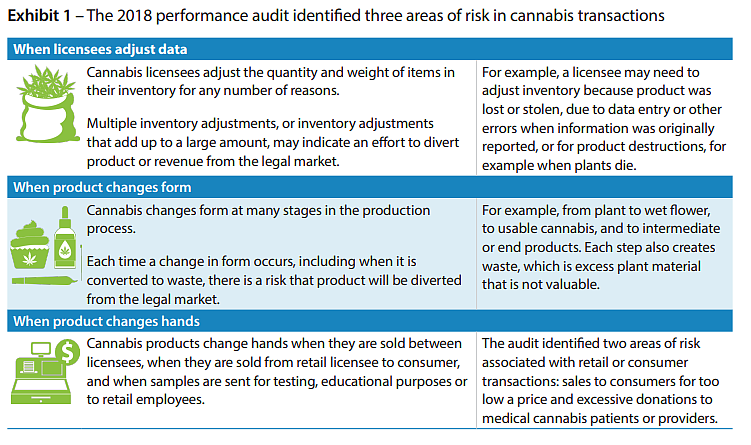
The legalization of recreational cannabis in Washington State nearly twelve years ago was hailed as a progressive step towards a regulated and safe market. However, a recent performance audit conducted by the Office of the Washington State Auditor has uncovered serious shortcomings in the oversight of the cannabis industry. Led by State Auditor Pat McCarthy, this report builds on findings from a 2018 audit and sheds light on critical issues that hinder effective regulation and management of cannabis data.
Challenges in Data Management
At the heart of the audit is the performance of the Washington State Liquor and Cannabis Board (LCB), which is tasked with regulating a complex and rapidly evolving cannabis market. The recent report indicates significant struggles within the LCB’s data tracking systems, a vital component for ensuring compliance, product safety, and preventing illegal distribution.
Despite earlier commitments to establish an effective “seed-to-sale” tracking system, the LCB has thus far failed to deliver a workable solution. Current projections suggest that a new tracking system will not be operational until 2031, leaving regulators with a compromised ability to manage the cannabis market effectively.
The LEAF System Debacle
One of the major setbacks highlighted in the audit pertains to the LEAF (License and Enforcement Analysis Functional) system, which was intended to replace the existing BioTrack software. Poor project management, frequent changes in leadership, and issues with vendors led to the project’s abandonment in 2020.
This failure has resulted in reliance on a temporary solution known as the Cannabis Central Reporting System (CCRS). Unfortunately, the CCRS has also come under scrutiny for its limited capabilities, notably its lack of real-time tracking information and secure data input controls, resulting in potential data inaccuracies that could further complicate regulatory efforts.
Staffing Shortages and Enforcement Challenges
While the audit acknowledges progress within LCB’s enforcement division, including prioritizing high-risk complaints and employing compliance consultants to conduct proactive inspections, serious obstacles remain. Staffing shortages and outdated technology are significant impediments to the division’s ability to respond effectively to risks in the cannabis industry.
One particularly alarming statistic revealed in the audit is the high turnover rate among enforcement officers, which stands at around 50%. This turnover exacerbates inefficiencies and hampers the division’s capacity to maintain robust oversight.
Recommendations for Improvement
In light of these findings, the auditors have made a series of recommendations aimed at strengthening the LCB’s operations and enhancing the state’s cannabis oversight framework. Key recommendations include:
- Improved data management practices to ensure accurate tracking and reporting of cannabis products.
- Implementation of automated alerts for early identification of potential risks.
- A structured approach to project management to avert the pitfalls that led to the LEAF system’s failure.
The leadership at the LCB has publicly acknowledged these challenges and is committed to enhancing the CCRS’s functionality while preparing for the implementation of a more comprehensive tracking system in the future.
Conclusion
The recent performance audit serves as a critical reminder of the importance of effective oversight and management in the cannabis industry. With the legalization of recreational cannabis in Washington State providing both opportunities and challenges, it is essential for the LCB to address these shortcomings proactively. By embracing recommendations for better data management, improving project oversight, and tackling staffing issues, Washington can work towards a more efficient and effective cannabis regulatory framework that benefits both consumers and the industry alike.


0 Comments