
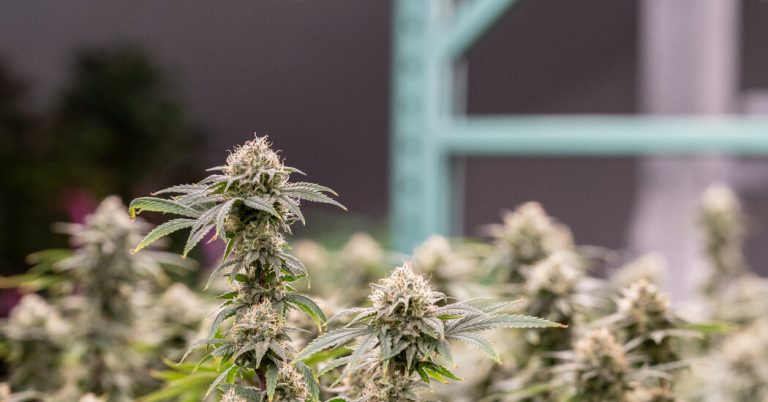

When Lucas Kerr decided to revive the farm that had been in his family for seven generations, he chose to plant weed, grown in New York and sold to New Yorkers.
The Evolution of Torrwood Farm: From Spring Water to Cannabis
Since its inception in 1846 by Scottish immigrants, Torrwood Farm has evolved significantly, reflecting both the changes in agricultural practices and the growing demand for local products. Lucas Kerr, a seventh-generation farmer, echoes the spirit of innovation that defines his family’s legacy. Situated in Lumberland, a serene hamlet by the Delaware River, the farm spans a rich history of diversifying its outputs.
Initially, the farm thrived with a variety of livestock and crops, making it a quintessential representation of 19th-century agricultural success. With 500 acres of fertile land, it wasn’t just a working farm but also a destination for urban dwellers looking for a restorative escape. This trend included a boarding house that catered to city visitors, offering fresh meals long before the farm-to-table movement took off.
Image
Lucas reminisces about his childhood, recalling moments spent watching tanker trucks fill up with premium spring water sourced from a natural artesian well discovered by his grandparents. This water became a cornerstone of the family business, bottled as Catskill Mountain Spring Water from the mid-1960s until 2005.
When Lucas’s grandparents decided to move on from the water operations, the family faced the challenge of maintaining their cherished property. Lucas’s father, David Kerr, envisioned the farm as a family retreat, leading to significant renovations in 2017. This endeavor was not purely functional but also personal, serving as a sanctuary for family gatherings during times like the COVID-19 lockdown.
The farm’s rebirth took on new dimensions as David and his wife Mary Ann infused the home with history, showcasing an impressive collection of antiques and decor that speak to their lineage and passion for design.
Image
As legislation around cannabis evolved in New York, Lucas seized the opportunity to re-establish the farm’s legacy by introducing a cannabis cultivation operation in response to recreational legalization in 2021. His decision not only revitalized Torrwood Farm but also tapped into the growing local demand for quality cannabis products.
Current Operations: The Cannabis Boom
The cannabis products from Torrwood Farm are now available in over 100 dispensaries throughout New York, catering to diverse consumers from Albany to downtown Manhattan. Lucas notes a pronounced preference among buyers for local products, making the farm’s offerings particularly appealing.
His determination to capitalize on local growth trends is reflective of a broader movement toward sustainable and locally-sourced cannabis, which contrasts starkly with the previous reliance on bottled spring water.
Image
While the cannabis side of the farm thrives, other areas remain serene and reflective of its long-standing familial ties. David Kerr, now based in Florida but deeply connected to the farm, has intricately designed the family home with historical artifacts like church pew tables and antique sinks from notable locations, embellishing the narrative of their storied past.
As Lucas puts it, “The farm grows more than anything is rocks,” referring to the history embedded in their surroundings. Many antique stones have stories that date back to their ancestors who traversed the land.
The farm’s aesthetic is further enhanced by David’s collection of over 100 antique weather vanes adorning the property, alongside a meticulously restored barn that dates back to 1858. Crafted to reflect the historic essence of Torrwood Farm, the barn serves not just as a functional space but also as a visual representation of the farm’s evolution.
To preserve the authenticity, David disassembled and reconstructed the barn on the property, embedding it with a richer sense of place, which aligns with the overall revival of the farm’s spirit.
Image
Conclusion: Resilience and Rebirth
The Kerr family’s journey with Torrwood Farm reveals a captivating narrative of resilience and adaptation. Lucas Kerr’s ability to transition from traditional agriculture and bottled water to cannabis cultivation showcases not only a remarkable evolution of the farm but also the broader shifts in society toward sustainability and local sourcing. As Lucas carries forward the rich legacy of his family, Torrwood Farm stands as a testament to the enduring connection between history and innovation in agriculture.
FAQs
What is the history of Torrwood Farm?
How did Lucas Kerr revitalize the family farm?
What makes Torrwood Farm’s cannabis products unique?
What antiques are found at Torrwood Farm?
Torrwood Farm: Innovations and Traditions in Cannabis Cultivation
Nestled in the beautiful countryside, Torrwood Farm represents the perfect blend of tradition and modernity. Originally home to a historic 1858 red barn, the farm has evolved from an antique haven into a pioneering force in cannabis cultivation. With a focus on sustainable practices and meticulous attention to detail, Torrwood is making a significant impact in the New York cannabis market.
From Passion to Profession: The Kerr Family
David Kerr, the heart behind Torrwood Farm, is more than just a farmer; he is a passionate collector of antique rugs, possessing over a thousand pieces, many of which are centuries old and hailing from the Caucasus region. His journey into the cannabis industry, however, stems from his son Lucas Kerr’s desire to explore the healing potential of plants, inspired by experiences from military service in Iraq.
The Transition to Cannabis
Lucas began his agricultural ventures with hemp but found the switch to cannabis in 2022 remarkably effortless. “All you’re doing is changing out the seed for one that has THC in it,” he explained. With the right licenses from the Office of Cannabis Management in hand, Torrwood is now a hub for processing and distributing a variety of cannabis products, including joints and gummies.
Innovative Cultivation Techniques
At Torrwood, cultivating cannabis isn’t just about watering plants and waiting for them to grow. The farm employs a comprehensive approach that includes using a combination of outdoor fields and high-tech greenhouse facilities. The team is dedicated to optimizing growth through advanced methodologies.
Under the guidance of their master grower, the farm has developed proprietary cannabis genetics and aims to generate 15,000 clones per year. The use of natural sunlight, alongside growing lights, ensures that the plants receive both the energy needed for growth and the care required to yield high-quality products.
Staying Ahead of Challenges
Every cannabis farmer faces unique challenges, and for Torrwood, that challenge comes in the form of local pests, specifically voles, which have proven to be quite destructive. Lucas and his team have employed various strategies such as traps and grates to counteract these pests while remaining aware that some challenges are simply a part of working with nature.
Testing and Quality Assurance
In addition to cultivation, Torrwood takes product quality seriously. With the help of high-tech machinery, they can test THC levels efficiently while processing thousands of joints and gummies daily. This dedication to quality ensures that all products meet stringent safety standards and provides consumers with a trustworthy experience.
The Team Behind the Magic
The cohesive team at Torrwood comprises individuals with diverse experiences in cannabis cultivation and law enforcement, underscoring the farm’s commitment to security and quality. Additionally, the positive energy of the team plays a significant role in plant care practices, aligning with their philosophy that energy and mindset are vital in agriculture.
With continued learning and adaptation being cornerstones of their approach, the team is confident in their ability to thrive within New York’s distinct growing environment.
Looking Ahead
As Torrwood Farm continues to expand its operations, the Kerr family is committed to maintaining their integrity and ethos. “We don’t want to be the Walmart of weed,” Amber Kerr stated, emphasizing the family’s desire to cultivate a brand that reflects quality, tradition, and respect for the legacy of cannabis.
With an authentic approach to cannabis farming, a rich heritage, and modern techniques, Torrwood is poised to make a lasting impact in the cannabis industry while honoring the history and values that brought them here.
What is the history of Torrwood Farm?
How did the Kerr family get into cannabis cultivation?
What challenges does Torrwood Farm face in cannabis cultivation?
How does Torrwood ensure product quality?
The Complex Journey of Cannabis Farming: A Look at Torrwood Farm
Cannabis farming has emerged as a rapidly growing sector, especially since regulations have evolved in states like New York. At the forefront of this burgeoning industry is Torrwood Farm, led by Mr. Kerr, who emphasizes the labor-intensive nature of cannabis cultivation. Harvest seasons stretch the limits of stamina and dedication, with teams working grueling 12-hour days, often starting as early as 3 a.m. The romantic vision of farming cannabis is met with the harsh reality of backbreaking labor in unforgiving conditions.
The Hard Labor of Cannabis Cultivation
Mr. Kerr poignantly notes that although many express enthusiasm for cannabis, actual farming is burdensome. “Everyone wants to farm until it’s time to actually do farming,” he remarked, revealing the stark contrast between fantasy and reality for many aspiring cultivators. This labor-intensive process challenges even the most passionate individuals, as they confront the intense summer heat and inevitable challenges. With only a couple of days off each month during peak season, the demands of the job can quickly deter even the most motivated of workers.
The Business Side of Cannabis
The cannabis industry is not solely about farming; it also encompasses a unique business landscape that has seen both struggles and growth. Mr. Kerr shared that 2023 presented numerous obstacles for cannabis businesses in New York. However, the tide began to turn in the summer of 2024, as regulations shifted, store openings increased, and unlicensed shops faced mounting pressure from authorities.
Image
Navigating Early Challenges
After legalization, the confusion surrounding cannabis regulation led to an influx of nonregulated shops. Kahlil Lozoraitis, CEO and co-founder of Weekenders Cannabis, shed light on this tumultuous period, explaining that without a clear plan for legalization, opportunistic entrepreneurs flooded the market without considering regulatory requirements. His brand, which prides itself on “artisanal small batch cannabis,” collaborates with Torrwood Farm, allowing them to focus on quality and craft. Mr. Lozoraitis compared the difference between outdoor and indoor cannabis, likening it to the stark contrast between fresh-squeezed orange juice and mass-produced alternatives.
Image
Supporting Legacy Cultivators
Mr. Kerr’s commitment to the cannabis industry also includes supporting those with a legacy in the market. One of his partners, John Morrongiello of S.T.A. Exotics, shares a profound history within the cannabis community. Having started his journey selling cannabis at just 11 years old, Mr. Morrongiello has weathered the storm of both pre-legal and legal marijuana markets. His experience has granted him insights into both the struggles faced by legal cultivators and the complexity of transitioning legacy operators into the new regulatory framework. “I urge them and encourage them to try to convert over into the legal market,” Mr. Morrongiello stated, highlighting the future possibilities for those still navigating the black market.
The Future of Cannabis Farming
The cannabis industry is evolving rapidly, bringing both challenges and opportunities. As companies like Torrwood and their partners adapt to the shifting landscape, they contribute to a broader narrative of growth within the cannabis sector. From the fields to the shelves, the journey is filled with labor, learning, and a continual push towards improvement. For cannabis cultivation to succeed, stakeholders must remain dedicated, embracing both the intricacies of farming and the complexities of navigating the legal landscape.


0 Comments