
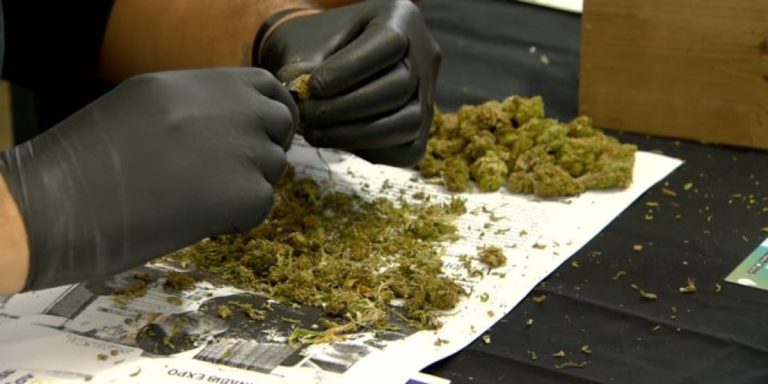

Transforming Hawaii’s Medical Marijuana Program: Upcoming Reforms and Crackdowns
In a significant turn of events, Hawaii is considering major reforms to its long-established medical marijuana program while simultaneously enforcing stricter regulations against illicit cannabidiol (CBD) outlets. These changes aim to improve accessibility for patients while combating the black market for cannabis.
Shifting Focus to Medical Marijuana
State Senator Jarrett Keohokalole, who chairs the Consumer Protection committee, highlighted a shift in legislative priorities away from the legalization of adult recreational marijuana to making the current medical marijuana system more effective and patient-friendly. “We want to prevent patients from turning to organized crime for their medical conditions,” Keohokalole stated, emphasizing the need for regulated access to cannabis.
The Need for Updates
Hawaii’s medical marijuana system, in place for over 25 years, is outdated and in need of modernization. There is growing concern as fewer patients use licensed dispensaries, opting instead for unregulated CBD stores or illegal dealers. This shift highlights significant gaps in the existing framework that need to be addressed to ensure safety and compliance.
Proposed Changes to Medical Cannabis Access
Under proposed reforms led by Health committee chair Joy San Buenaventura, lawmakers aim to expand the criteria for medical cannabis eligibility significantly. Currently, the approval process is limited to a specific list of ailments; however, the new legislation would allow qualified medical professionals to assess the potential benefits of cannabis for a broader range of conditions. Medical cannabis advocate Dr. Clifton Otto expressed hope that this could increase patient participation, noting common issues like anxiety, insomnia, and depression could be considered for certification.
Expanding Dispensary Availability
Another critical improvement will authorize more dispensary outlets in rural areas, alongside the establishment of licensed cultivators who can sell medical-grade cannabis directly to dispensaries. Dr. Otto asserts that this change could enhance product quality and availability, ensuring patients have access to superior cannabis flower.
Adopting Best Practices
Keohokalole referred to a “horizontal” model of regulation, which has proven effective in other states. This model would allow cultivators to wholesale their products to various retail locations, resembling the regulation of alcohol and tobacco. Such a structure not only simplifies oversight but also fosters a competitive marketplace for cannabis products.
Caregiver System Restoration
The proposed bills also aim to restore the caregiver system, which would assist patients seeking to cultivate their own cannabis. However, there is contention over allowing caregivers to assist multiple patients; the state Health Department prefers a one-to-one relationship to mitigate risks of commercial operations.
Enforcement Against Illicit CBD Stores
To tackle the rising prevalence of unregulated CBD shops, the new legislation mandates licensing for these businesses. It also provides law enforcement with the authority to seize products containing tetrahydrocannabinol (THC) and shut down non-compliant establishments. “This framework will allow for immediate consequences for violations,” San Buenaventura added, highlighting the intent to strengthen regulatory enforcement.
Concerns From Advocates
Despite the potential benefits of the reforms, there are concerns from various stakeholders regarding the punitive measures included in the bills. Advocates like Dr. Otto fear that excessive regulations could discourage patients from participating in the medical cannabis system, pushing them back into the underground market. Maintaining patient confidentiality and reducing the stigma surrounding cannabis use are vital components of a functional medical marijuana program.
The Legislative Process Ahead
The Senate’s proposals, encapsulated in House Bills 302 and 1482, are set to be reviewed jointly by the Ways and Means and Judiciary committees prior to returning to the House for further discussion. Although the timeline is tight, House leaders acknowledge the urgency for reforming the dispensary system and curbing illegal market activities.
Conclusion
Hawaii’s approach to reforming its medical marijuana program reflects a growing recognition of the need for evolvement in light of changing public perceptions and emerging best practices. As lawmakers continue to navigate the complexities of cannabis legislature, the outcomes of these proposed reforms could pave the way for a more inclusive and effective medical cannabis landscape in Hawaii.

0 Comments