
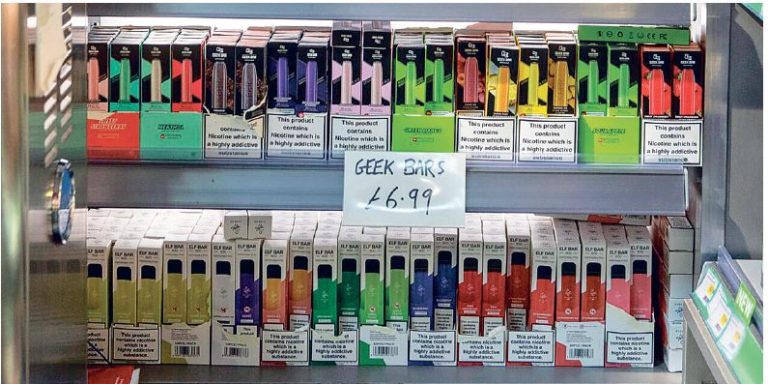

Understanding the New Regulations on Single-Use Vapes: What Retailers Need to Know
The recent guidance issued by the Government provides crucial insights into the definition of single-use vapes, alongside the penalties retailers may incur for non-compliance. With a ban on the sale of disposable vapes slated for June 1, 2025, it’s essential for retailers to familiarize themselves with these regulations to avoid hefty fines and legal repercussions.
The Definition of Single-Use Vapes
According to the government’s guidelines, a single-use vape is characterized as:
- A product that’s neither designed nor intended to be re-used.
- A vape is considered non-reusable if it is refillable but not rechargeable, or rechargeable but not refillable.
Furthermore, the guidance indicates that vapes equipped with coils that cannot be purchased separately or easily replaced fall under the rechargeable category.
Reusable Vapes Defined
In contrast, reusable vapes are specified as having:
- A battery that can be recharged.
- Refillable options for vape liquid (up to a maximum of 10ml).
- Coils that can be replaced easily by the average consumer.
Impending Ban on Disposable Vapes
This guidance marks the first official revelation from the government regarding which devices will be outlawed from June 1, 2025, a detail that while not surprising, is of great importance. The ACS has expressed approval of the new regulations, stating, “The new guidance confirms information that ACS has circulated to members through its dedicated Assured Advice guide on selling vapes responsibly.”
Signs of Transition to Reusable Vapes
As retailers prepare for this upcoming ban, there are indications that consumers are already beginning to shift from disposable to reusable vapes. This change is supported by the increasing awareness of the implications of excess plastic waste and the desire for more sustainable vaping options.
Penalties for Non-Compliance
Fines and Legal Consequences
Retailers found selling disposable vapes post-June 1 will face a fine of £200 for first offences. However, the repercussions can escalate to serious levels with Trading Standards issuing stop notices, compliance notices, and the ability to seize non-compliant products.
For subsequent violations, retailers could incur unlimited fines or face prison sentences of up to two years, or both. Furthermore, retailers may receive a cost recovery notice, making them liable for all costs related to the investigation carried out by Trading Standards, including administrative and legal expenses. In Scotland and Northern Ireland, the maximum fine could rise to £5,000.
Managing Remaining Stock
Retailers must take immediate steps regarding any leftover disposable vape stock after the June 1 ban. The government has recommended that these products be recycled and not sold. For those with existing vape recycling services, it may be necessary to pay a fee to process these disposables properly.
Take-Back Services
As part of these regulations, all retailers selling vapes are mandated to implement a “take back” service, allowing customers to return used vapes or components for recycling. This requirement extends to any single-use devices returned post-ban.
Preparations for the Ban
To prepare for the ban, retailers are advised to cease ordering additional stock of single-use vapes, liquidate current inventories, and invest in products that comply with new regulations. It’s important for businesses to separate any remaining disposable stock from other merchandise, ensure they are marked as unsellable, and temporarily remove them from shop floors or online listings until collected by a registered vape recycling service.
Conclusion
As the ban on disposable vapes approaches, retailers must take action now to adjust to the new landscape. By complying with the regulations outlined in the government’s guidance, retailers can avoid significant fines and contribute to a more sustainable environment.


0 Comments