
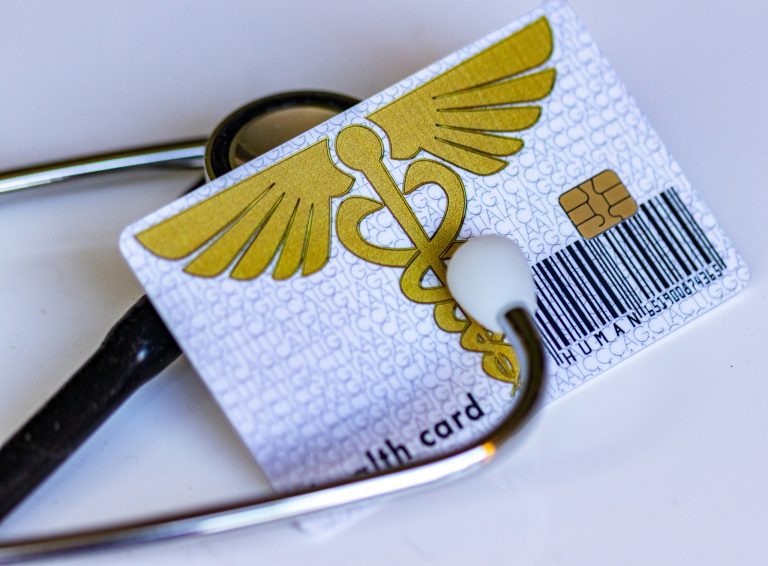

Understanding CBD: Legalization, How to Buy, and Medical Cards
Cannabidiol (CBD) is a non-psychoactive compound found in the cannabis sativa plant, distinct from tetrahydrocannabinol (THC), which is responsible for the psychoactive effects of marijuana. As the cannabis industry continues to grow, it’s vital to understand the legal landscape surrounding CBD, especially for those interested in purchasing products with higher THC concentrations.
The Impact of the 2018 Farm Bill
The 2018 Farm Bill marked a significant milestone in the American CBD market by establishing a clear distinction between hemp and marijuana. It legalized hemp cultivation on a federal level, provided the THC content is 0.3% or less. This pivotal legal change makes it easier for farmers to grow hemp and for businesses to manufacture and sell CBD products derived from it across state lines.
Despite these advancements, the 2018 Farm Bill kept marijuana classified as a controlled substance. Therefore, while CBD derived from hemp is federally legal, any product exceeding the 0.3% THC limit falls under stricter cannabis regulations.
State-by-State CBD Legalization Overview
As CBD regulation varies widely across the United States, it’s crucial for consumers to be aware of specific state laws:
Key State Regulations Include:
- Georgia and Texas: Require patients to possess a medical card to purchase low-THC oil, which contains under 5% THC.
- Idaho, Nebraska, and South Dakota: Prohibit CBD derived from marijuana plants, restricting legal sales to hemp-derived products with 0% THC.
- New York: Implements age restrictions on CBD purchases, typically limiting sales to individuals aged 18 or 21, with provisions allowing caregivers to purchase on behalf of minors.
These variations serve as a reminder of the legal complexities concerning CBD in different regions. Prior to making any purchases, it’s essential for potential buyers to familiarize themselves with local regulations.
Advantages of Purchasing CBD with a Medical Card
Acquiring CBD products with a medical card offers several notable advantages:
- Cost and Tax Benefits: Consumers can often purchase medical marijuana tax-free or at reduced rates, although coverage varies by state.
- Legal Protections: Having a medical card provides legal safety, allowing patients to buy and use cannabis without fear of prosecution.
- Higher Possession Limits: Medical card holders generally can purchase larger quantities of CBD, which can be essential for those treating chronic conditions.
- Expert Guidance: Through a medical card, patients can receive ongoing care and advice from cannabis professionals, enhancing their treatment plans.
- Access to Reciprocity Programs: Many states honor medical cards from other states, allowing easier access to products when traveling.
Steps to Obtain a CBD Medical Card
1. Determine Eligibility
Check your state’s list of qualifying conditions for medical marijuana. Common conditions include anxiety, chronic pain, and epilepsy.
2. Gather Documentation
Collect necessary identification, proof of residency, and health records to validate your qualifying condition.
3. Consult a Licensed Physician
Find a licensed medical professional in your state who can evaluate your condition and recommend cannabis treatment. Online platforms like My MD Ganja can facilitate consultations.
4. Schedule an Appointment
Prepare for your consultation by reviewing your health history and discussing how CBD could benefit your condition.
5. Obtain a Physician’s Recommendation
If the physician agrees you qualify for a medical card, you will receive a written recommendation, which is crucial for the application process.
6. Submission of Application
Complete your application with all required documents and payment fees on your state’s medical marijuana program website or via mail, depending on state restrictions.
7. Receive Your Medical Card
Once approved, your medical card will be mailed to you. This card allows you to buy CBD and other medical marijuana products from licensed dispensaries.
8. Visit a Dispensary
With your medical card in hand, you can visit a dispensary where staff can assist you in selecting suitable CBD products based on your needs.
Buying CBD Without a Medical Card
Legal Considerations
- Age Restrictions: Most states require buyers to be at least 18 or 21 years old.
- Variation in State Laws: Some states only allow CBD for medical use, while others permit recreational use as well.
- Purchase Limitations: Non-cardholders may face limitations on how much CBD they can buy at once.
THC Concentration Guidelines
To be considered legal under the 2018 Farm Bill, CBD products purchased without a medical card must contain no more than 0.3% THC. Products exceeding this limit are subject to stricter regulations.
Staying informed about these regulations helps avoid legal issues when purchasing CBD without a medical card.
Conclusion
CBD continues to gain visibility as a viable health option across the United States. While the 2018 Farm Bill has made strides to promote accessibility, it is crucial to note that individual states have varying regulations regarding CBD and THC levels. By understanding these laws, you can safely navigate the purchasing landscape for CBD products, whether you possess a medical card or not.


0 Comments