
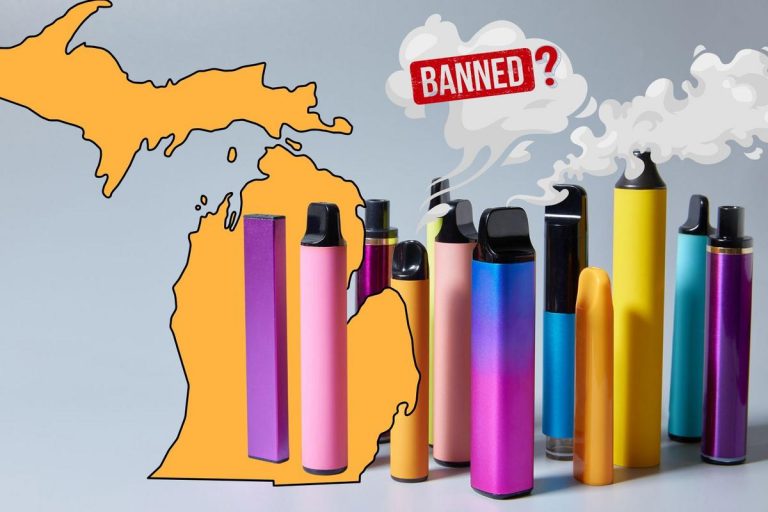

Michigan’s Proposed Vape Flavor Ban: A Deep Dive
In recent discussions among policymakers, flavored vapes have become a topic of significant concern in Michigan. A proposed package of bills (SB 0647 2020 – SB 0654 2023) aims to ban the sale of vaporizers featuring fruit flavors, which lawmakers argue target young audiences. However, it leaves residents questioning the effectiveness and implications of such a legislation, especially when there are more pressing societal issues at hand.
Why Focus on Flavored Vapes?
Lawmakers have focused their attention on vape products that contain flavors like Berry Blast and Mango Mint. The rationale behind the ban stems from the argument that these enticing flavors are designed to appeal to children and teenagers, making it easier for them to become accustomed to nicotine. However, while these fruity concoctions may seem like the primary concern, supporters of vaping argue that the conversation oversimplifies a much larger issue related to substance regulation and marketing.
Similar Marketing Strategies in Other Industries
Interestingly, flavored products targeting minors are not new. Alcoholic beverages like Boone’s Farm and various flavored schnapps have long been on the market, effectively attracting youthful consumers who may not appreciate the taste of traditional alcohol. Just as alcohol harms young people, so too could flavored vapes, but these are not the only enticing products that interest minors.
Many products, including candy and sugary sodas, are marketed with vibrant visuals and appealing flavors that draw in younger consumers. The challenge lies in whether society can create effective regulations that prevent minors from accessing products deemed inappropriate for them, rather than entirely banning popular flavors.
What New Regulations Could Mean for Retailers
The proposed vape ban entails significant penalties for retailers who sell to minors. If this legislation passes, it would eliminate fines for minors in possession of e-cigarettes, while retailers would need to obtain a new tobacco license specifically for selling these products. The new law mandates that checks occur twice yearly, enabling state-funded sting operations to ensure compliance.
In the case of transgressions, retailers caught selling vape products to minors could face hefty fines—$1,500 for the first offense, escalating to $2,000 for subsequent offenses. Repeated violations could lead to a suspension of the retailer’s tobacco sales license, pushing many stores to reconsider their inventory practices or risk permanent closure.
Current Status of the Legislation
As of now, this package of bills has been placed in the Michigan Regulatory Affairs Committee since its introduction in November 2023. For those who enjoy flavored vapes, it’s essential to stay updated about the development of this legislation, as passage could directly impact access to flavored products in the state.
While the movement of bills through legislative committees can be unpredictable, there remains the possibility for favorable outcomes for vape enthusiasts. Consequently, some may want to consider stocking up on their preferred flavors while the future remains uncertain.
Conclusion: The Bigger Picture
This proposed legislation shines a light on a broader issue, as it draws attention to the ongoing struggle of how society manages the marketing and distribution of controlled substances, especially when minors are involved. Achieving an effective solution may require comprehensive, multifaceted approaches that engage all stakeholders, including families, communities, and businesses.


0 Comments