


The Legal Battle Over Vaping Regulations in Iowa: What You Need to Know
In a significant turn of events for the vaping industry, a federal judge has recently blocked a controversial law in Iowa that sought to ban the sale of most vaping products. This decision highlights the ongoing tension between state regulation and federal authority, particularly in the context of public health and vaping.
Understanding the Law: House File 2677
The law, known as House File 2677, was enacted in 2024 and aimed to restrict the sale of vaping products in Iowa significantly. It would have required that all vape products sold in the state be either approved by or under consideration by the federal Food and Drug Administration (FDA). The implications of this regulation were far-reaching, as many products currently available would have been rendered illegal due to the FDA’s prolonged approval process.
Judge Stephanie Rose explained the reasoning behind her decision by stating, “The Court acknowledges Iowa’s legitimate interest in protecting its citizens’ health through exercises of its traditional police powers. However, House File 2677’s regulatory approach stands as an obstacle to the accomplishment of Congress’s objective in centralizing enforcement authority in the federal government.”
The Court’s Ruling
In the ruling, Judge Rose agreed with the plaintiffs’ argument that the state law is unconstitutional as it conflicts with federal authority over the FDA’s regulations. The judge emphasized that while states have broad powers to regulate tobacco sales, they cannot create a regulatory framework that simply mirrors federal enforcement mechanisms. This ruling effectively nullifies the new law, stopping Iowa from proceeding with its restrictive measures against vaping products.
The Implications for Vaping Retailers and Users
House File 2677, had it taken effect, would have drastically limited the ability of retailers, distributors, and wholesalers to sell vaping products. Only products appearing on a government-mandated registry—composed solely of FDA-approved items—would have been permitted for sale. Each product would require a registration fee of $100, and violations would incur hefty fines of $300 per day.
The Drawbacks of a State-Mandated Registry
According to reports, the Iowa Department of Revenue had not published the required registry prior to the lawsuit. The delay in action and regulatory implementation juxtaposed against the plaintiffs’ arguments of unconstitutionality further complicated matters. Judge Rose’s ruling brought clarity, asserting that the responsibility for product approval lies with the FDA, not state authorities.
The federal enforcement of the Food, Drug, and Cosmetic Act (FDCA) is paramount, and the law aimed to formulate a system that was not only cumbersome for businesses but also unconstitutional in its execution.
The Bigger Picture: Nationwide Trends
This ruling is particularly notable in the broader context of vaping regulations across the United States. There have been increasing concerns surrounding youth vaping, leading to various states implementing their own measures to combat the trend. For instance, California and New York have enacted rigid laws on vape products that align more closely with state-controlled enforcement of public health policies.
Federal vs. State Authority
As Judge Rose articulated, the federal government retains the ultimate authority over the enforcement of the FDCA. While states can impose bans on certain products, such as flavored vape options, they cannot enforce regulations that infringe upon federal control. This conflict raises questions about the effectiveness and implementation of state-level regulations in an industry that straddles public health interests and economic activity.
The Impact on Young People and Vaping Products
Supporters of the now-blocked law expressed concerns primarily focused on the potential exposure of children to unregulated vaping products. Iowa Attorney General Brenna Bird’s office underscored the necessity of such protective measures, particularly to safeguard young individuals from harmful contaminants often found in unregulated products.
Recent reports reflect a troubling trend: more than 26 million tobacco products have been submitted to the FDA for approval since 2019, but only a meager 23 e-cigarette products have been authorized as of March 2024. With over a million products denied, many sellers are operating in a grey market, leaving numerous youth-oriented flavors readily accessible.
Concluding Thoughts on Vaping Regulation
The federal ruling in Iowa serves as a landmark decision, reinforcing the predominant role of the FDA in regulating vaping products. As states continue to grapple with rising vaping rates among youth, a balance must be struck between protective regulations and the realities of product availability and market access.
This case not only reflects the complexities surrounding vaping regulations but also emphasizes the need for ongoing dialogues about public health, commerce, and effective enforcement. For now, the future of vaping in Iowa remains less restricted than it could have been under House File 2677.
What is House File 2677?
Why was House File 2677 blocked?
How did the law affect vaping businesses in Iowa?
What does this ruling mean for future vaping regulations?
Understanding and Preventing Vaping Among Pre-Teens
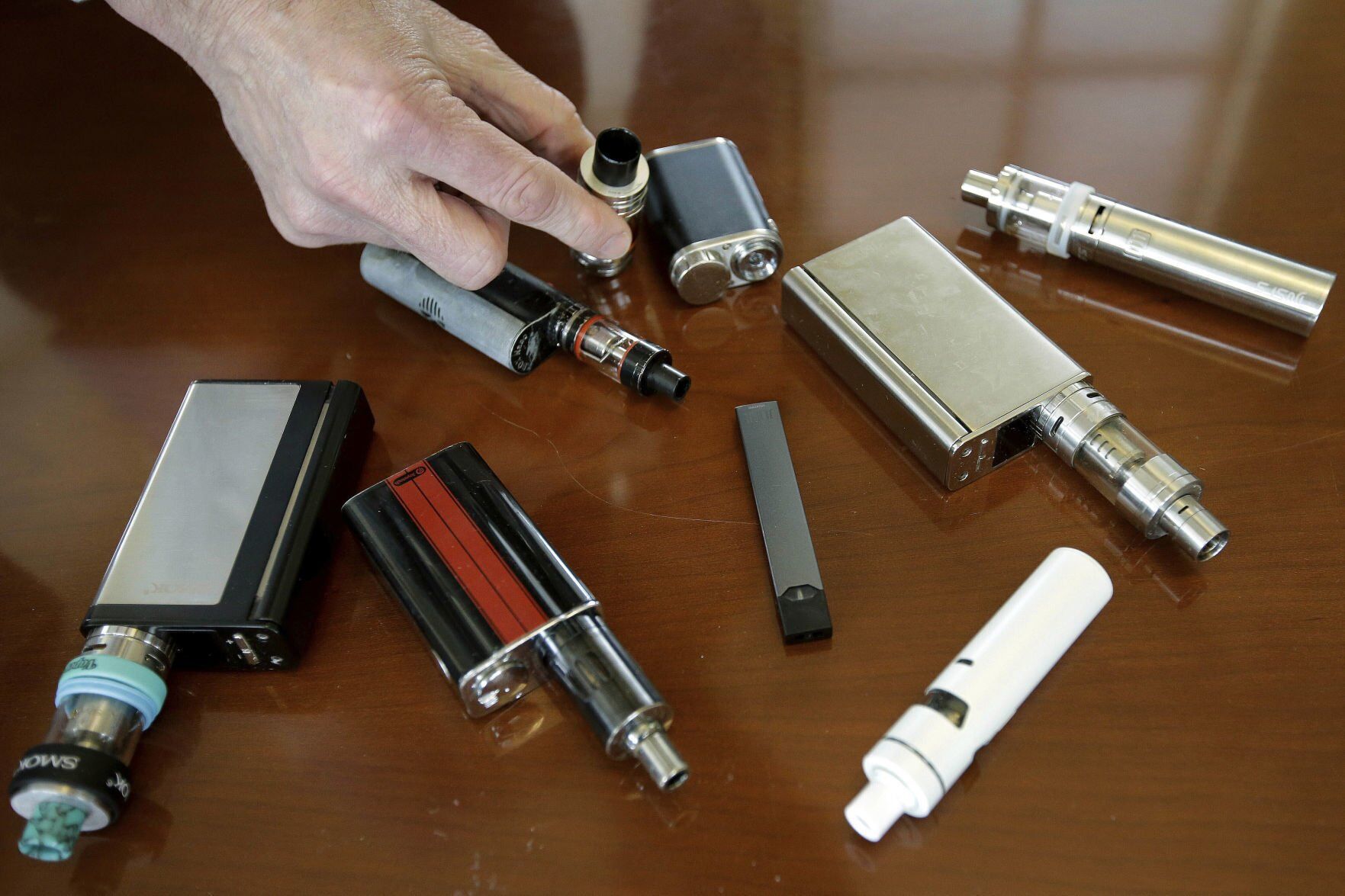
As a parent, navigating the turbulent waters of pre-teen years can evoke numerous concerns, especially regarding health and lifestyle choices. One issue that frequently tops the list is vaping. With the increasing prevalence of e-cigarettes and vaping devices among adolescents, parents need to be adequately informed about how to address this growing concern.
The Shift from Smoking to Vaping
The landscape of smoking has dramatically changed with the advent of vaping. Many adolescents may view vaping as a safer alternative to traditional smoking; however, this assumption can lead to significant health risks. It’s essential to understand why many young people are drawn to vaping and how we can steer them away from it.
Engaging in Open Conversations
Effective communication is key when discussing vaping with your child. Dr. Grodzin suggests using authentic language that resonates with you as a parent. A non-judgmental approach can foster open dialogue. Instead of lecturing, engage in casual conversations by asking:
- What’s the scene like at school? Are many kids vaping?
- What do you know about the risks associated with vaping?
- Have you heard any of your friends discussing it?
These questions encourage adolescents to share their thoughts and experiences, which can provide valuable insights into their peer influences.

Using Realistic Scenarios
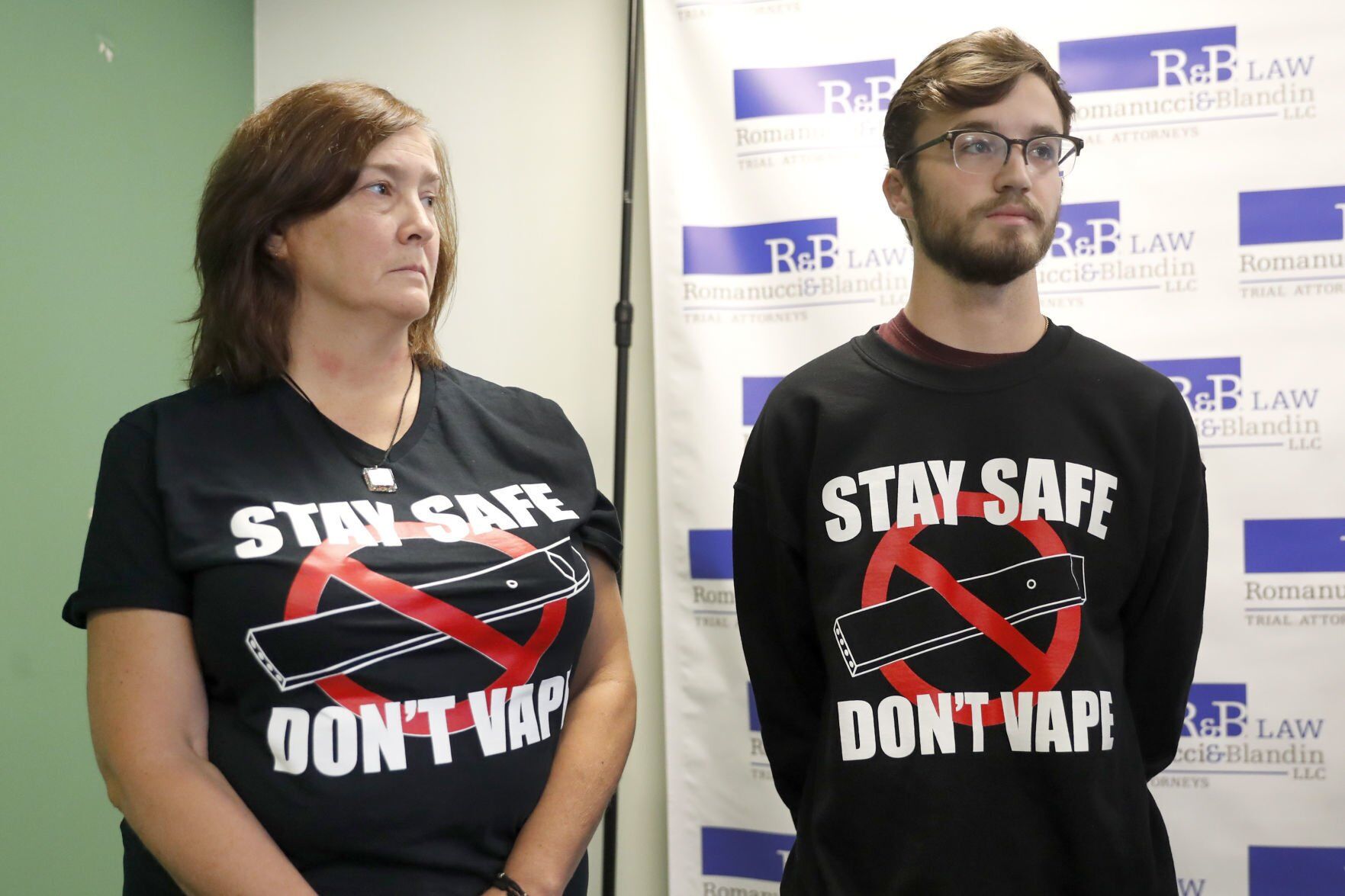
Though some parents might lean towards frightening their kids with the dangers of vaping, research indicates that fear-based tactics aren’t always effective. According to Dr. Searcy, fear can, however, be instrumental in garnering attention. Recent reports announcing vaping-related illnesses or other alarming statistics can be utilized as teaching moments. While you shouldn’t aim to terrify them, exposing them to credible dangers may break through their dismissive attitudes.
Incentivize Positive Choices
Harnessing rewards can be effective too. Consider creating a deal similar to a personal anecdote about one mother offering her child $1,000 to refrain from smoking until the age of 21. This strategy can prove beneficial when executed thoughtfully. Consider the motivations of your child and tailor your approach accordingly to incentivize them to stay away from vaping.
Understand Your Child’s Perspective
There is no universal approach to parenting; what works for one child may not for another. Observe and adapt your strategies based on what resonates with your daughter. For example, dive deep with questions that probe her knowledge and experiences surrounding vaping:
- What have you heard from peers about vaping?
- Have you ever tried it or been tempted to do so?
By understanding her viewpoint, you can better guide her towards making informed choices.
Final Thoughts
In an age where vaping is becoming more normalized among youths, proactive and engaging parenting is crucial. Initiating open conversations, setting realistic expectations, and understanding your child’s perspective can create a nurturing environment that empowers them to make healthier choices. Remember, consistent dialogue coupled with supportive parenting can be the most effective shield against the peer pressures associated with vaping.


0 Comments