

The State of Florida’s Medical Marijuana Market and the Impending Vote on Amendment 3
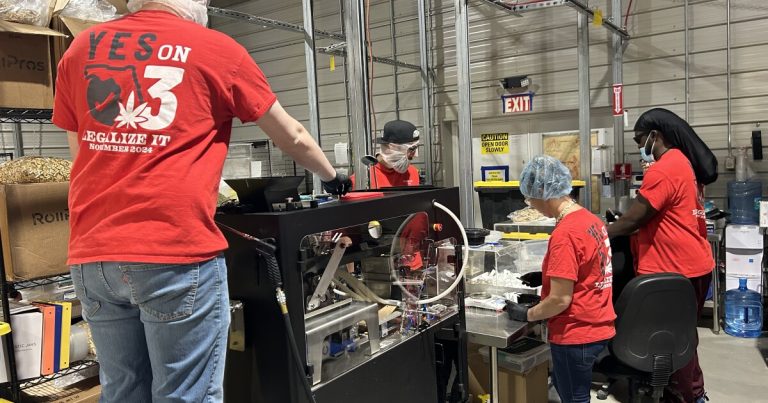
As Florida prepares to vote on Amendment 3, which seeks to legalize recreational marijuana use, a look into the state’s existing medical marijuana market reveals a tightly regulated environment. Located in Indiantown, Cresco Labs is a prime example of how the industry operates under current regulatory standards.
Cresco Labs: A Model of Compliance and Quality Control
In a complex that could easily be overlooked, Cresco Labs manages to maintain what might be the least humid environment in all of Florida. Matt Fauver, the director of cultivation, leads a team of approximately 200 employees who specialize in providing a meticulously controlled environment for cannabis cultivation.
With a focus on cleanliness and viability, the cannabis grown at Cresco Labs undergoes rigorous testing that Fauver claims exceeds the standards of the pharmaceutical industry. Each plant is cloned from a “mother” plant to ensure genetic consistency, and individual tags help to track every plant’s progress and whereabouts.
Jamie Ostroff
This tracking system not only deters theft but also aids in investigations should any issues arise. Each stage of the plant’s lifecycle is closely monitored, from the climate-controlled growth areas to the dark and dry spaces where harvested flowers are dried. Once harvested, samples are sent to an independent lab for contamination testing, ensuring the products are safe for consumers.
Challenges and Misconceptions in Cannabis Cultivation
As the industry continues to evolve, misconceptions about cannabis product cleanliness and viability remain prevalent. As Fauver noted, “There’s a lot of misconceptions about the cleanliness or the viability of a product.” The comprehensive regulatory framework coupled with strict testing protocols is designed to ensure that patients receive safe and reliable products.
Jamie Ostroff
Governing bodies require Cresco Labs to be prepared for state inspections every quarter, a requirement that underscores the commitment to quality and safety. David Grelck, the manager of post-harvest operations, reflects on the transformations in public perception since the days when marijuana was largely illegal. “I never thought I was going to be in the cannabis industry in my lifetime,” he said.
The Political Climate Surrounding Amendment 3
As discussions around Amendment 3 heat up, Florida Governor Ron DeSantis has voiced his opposition, raising concerns about the potential dangers of recreational marijuana and its impact on community safety. The governor believes that legalizing recreational cannabis will lead to increased hazards for children and contribute to a public environment where the smell of marijuana smoke is ubiquitous.
“In states that have adopted similar measures, I have not seen an outcry from residents suggesting it has been beneficial,” he stated. However, Fauver disagrees, mentioning that the primary group that might lament such a shift would be illegal market growers who would be impacted by the legalization of a regulated market.
Jamie Ostroff
If the amendment receives the necessary 60% voter approval, it will transition the current medical marijuana licenses to allow for recreational sales. This change would enable businesses to sell cannabis to adults over the age of 21 without requiring a medical prescription.
What Happens Next?
Should Amendment 3 pass, Florida lawmakers will have six months to establish the regulatory framework needed to implement these changes, setting the stage for what could be a significant shift in the state’s cannabis landscape. For many, this impending vote represents a future in which adult-use marijuana could become a legitimate part of Florida’s economy.
Additional Resources and Articles
- Why DeSantis Says Legal Recreational Marijuana Will Hurt ‘Quality of Life’
- Understanding Florida’s Amendments on the Ballot
- This Group of Police, Judges, and Prosecutors is Backing Amendment 3


0 Comments