
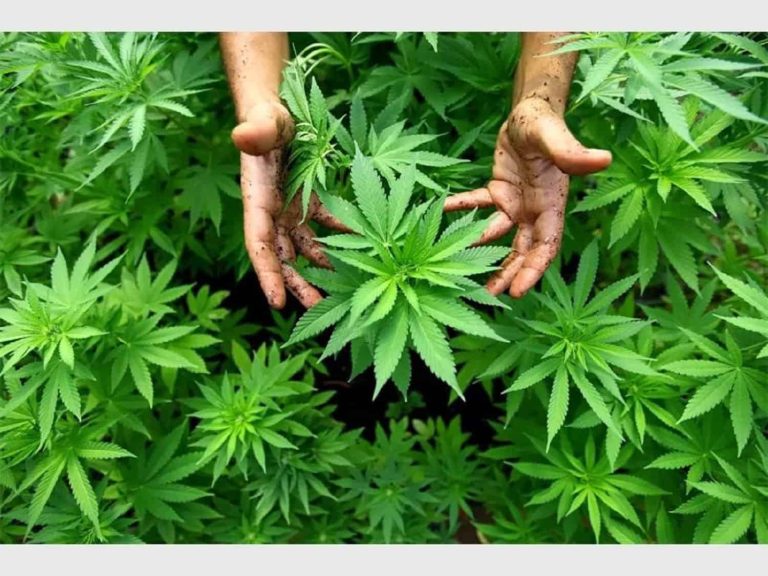

The Controversy Surrounding the Ban on Hemp and CBD in South Africa
The recent actions taken by Health Minister, Dr. Aaron Motsoaledi, have stirred up significant controversy in South Africa, particularly among businesses and consumers interested in hemp and Cannabidiol (CBD) products. The Foundation for the Rights of Expression and Equality (FreeSA) has stepped forward, demanding a transparent justification from the Minister regarding a newly imposed ban on food items containing hemp and its derivatives.
What is CBD and Its Importance?
CBD, short for Cannabidiol, is a prominent compound derived from the hemp plant, which forms a core part of medicinal marijuana. Unlike its counterpart THC, CBD is non-psychoactive, making it an increasingly popular ingredient in various health and wellness products, including food, healthcare, and cosmetic items.
The New Regulations: What Do They Entail?
Recently, Minister Motsoaledi issued regulations that prohibit the sale, importation, and manufacture of foodstuffs containing any part of the Cannabis Sativa L plant or components derived from it — this includes hemp, hemp seed oil, and hemp seed flour. Such regulations have raised eyebrows among stakeholders and consumers alike, particularly due to the perceived lack of public consultation prior to their implementation.
Call for Transparency
FreeSA is now pressuring the Minister to explain the rationale behind the ban within a 14-day window. They argue that the Minister’s decision disregards the necessary public participation stipulated by Section 15(6) of the Foodstuffs, Cosmetics, and Disinfectants Act of 1972. “If no opportunity for public comment was provided, this represents a blatant disregard for public participation,” remarked Reuben Coetzer, FreeSA’s spokesperson.
“If the minister believes this ban needed to be rushed without public input, we demand to know on what grounds”
Impact on Local Businesses
The implications of the ban are dire for local businesses that have invested in selling hemp-related products. For instance, Joash Naidoo, the owner of The Weed Shop in Pietermaritzburg, expressed concerns that the ban could stem from the actions of stores selling unregulated products. “Even though I no longer sell edibles, I still stock accessories, and the ban will kill small businesses,” Naidoo stated. He underscored the necessity for the government to draft clear guidelines that can effectively regulate the sale of these products without stifling small enterprises.
Awaiting Further Developments
Businesses like Fresh Outdoors in Scottsville are currently in a state of waiting, remaining alert for any additional announcements from the government regarding the new regulations. As noted by a customer, S. Moodley, the business maintains that all their products adhere to regulatory requirements and are beneficial to their client base, including individuals with various medical conditions.
Conclusion
The unfolding situation around the hemp and CBD ban remains contentious, with significant voices advocating for public consultation and transparency in policymaking. As this matter develops, it encapsulates wider concerns about regulatory coherence and the rights of businesses and consumers regarding natural health products.


0 Comments